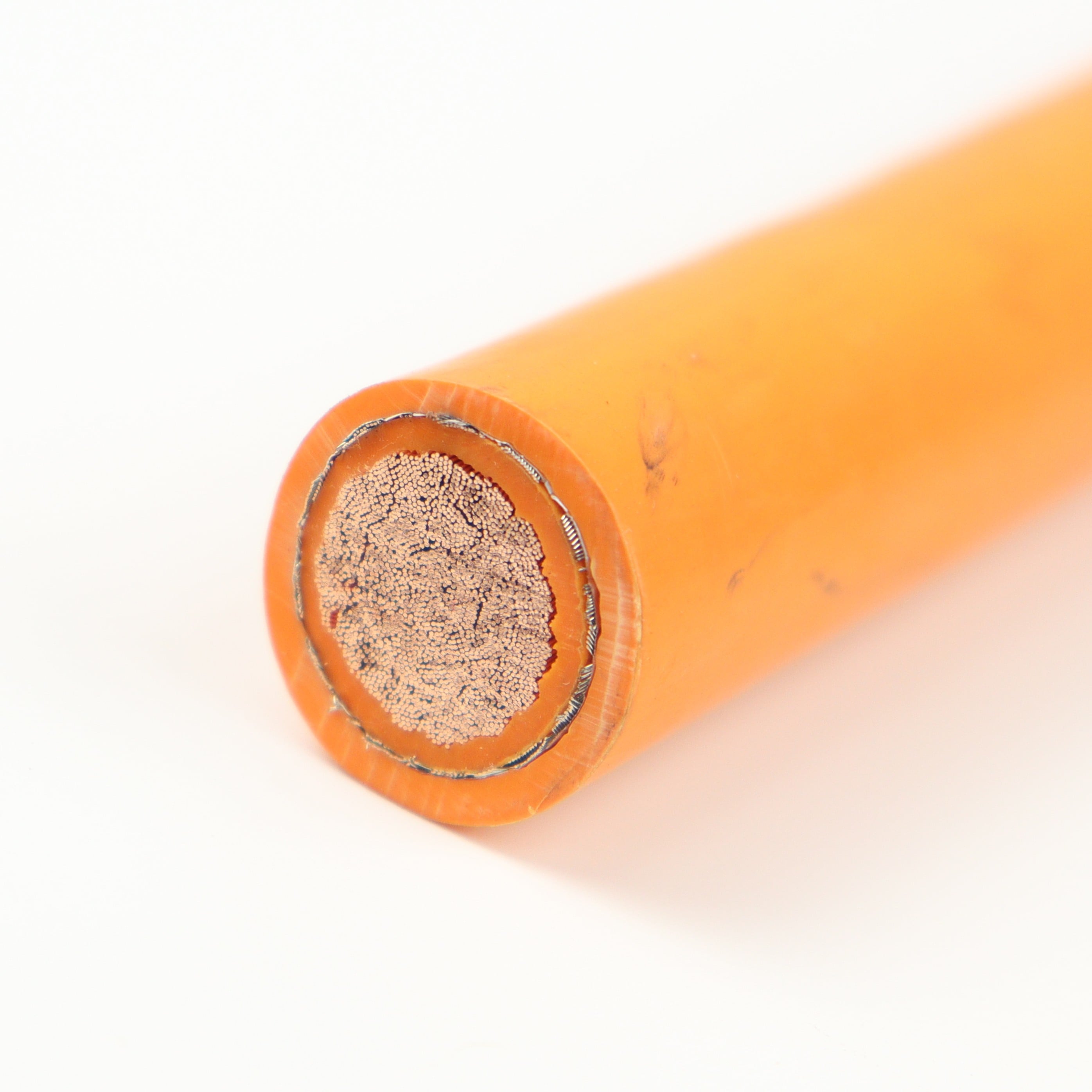
In railway signalling, a surge withstand level is not just a cable specification: it can influence whether rail track circuits report a track section as clear or occupied. When transient energy disrupts the electrical conditions being monitored, occupancy detection errors may follow. Understanding that connection helps engineering teams assess cable protection alongside circuit design, installation, and maintenance.
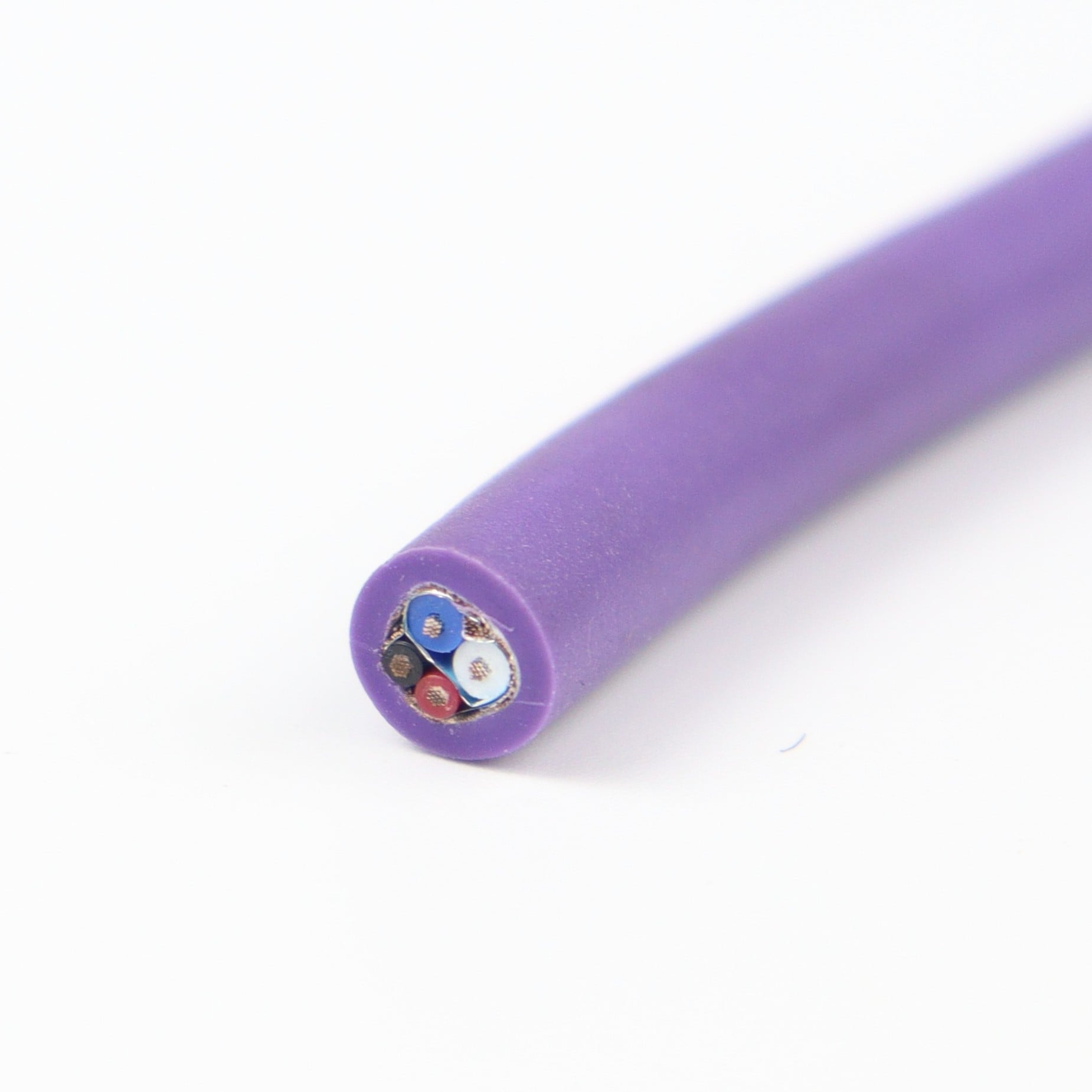
A Shielded Cable can reduce coupling from nearby electrical noise, but shielding alone does not determine system immunity. For rail track circuits, the relevant surge withstand level must be considered with equipment interfaces and bonding. If a transient creates a misleading change in the monitored signal, occupancy detection errors can affect safe operation or service continuity.
How transient disturbances affect occupancy decisions
Track circuits depend on stable electrical conditions
Rail track circuits use electrical continuity through the rails to help determine whether a train occupies a defined section. Their receiver evaluates a signal against specified operating limits, so interference can matter even when it lasts briefly. The surge withstand level describes how much transient stress connected equipment or cable arrangements are intended to tolerate before function is affected.
A disturbance may enter through power conductors, signalling connections, or electromagnetic coupling from adjacent systems. In rail track circuits, the resulting voltage or current can temporarily alter the signal reaching the receiver. If the change crosses a decision threshold, occupancy detection errors may appear as a false occupied indication, a false clear indication, or an intermittent state requiring investigation.
Surge response depends on the whole path
The surge withstand level should therefore be interpreted for the complete installed path, not as an isolated cable number. Cable length, termination, earthing, bonding, and connected input protection all affect what reaches the signalling equipment. In rail track circuits, a shield that is poorly terminated may provide less consistent interference control than the design assumes.
Shielding can help limit induced noise, while suitable surge protection can restrict transient energy at vulnerable interfaces. These measures serve related but different purposes. A Shielded Cable does not automatically raise the surge withstand level of every connected device, and neither measure alone guarantees that rail track circuits will avoid occupancy detection errors under every disturbance condition.
Interpreting the relationship during design and review
Match immunity requirements to the installation
Design reviews should start with the disturbance environment: switching events, traction-related exposure, lightning coupling, and routing near power equipment may create different risks. The required surge withstand level should reflect applicable project standards and equipment specifications. This context helps teams decide whether rail track circuits need additional interface protection or revised cable routing.
A useful review traces each signal from field connection to receiver and identifies where a transient could enter or change the measured condition. Engineers can then check cable construction, shield continuity, separation, bonding points, and protective components against the design basis. This avoids treating occupancy detection errors as a software issue when the initiating cause may be electrical.
Distinguish false indications from genuine occupancy
A false occupied indication is often conservative from a safety perspective, but it can still delay movements and trigger operational checks. A false clear indication carries a different safety significance and requires prompt, controlled investigation. The surge withstand level matters because insufficient immunity can contribute to either behavior, depending on circuit architecture and how the disturbance affects its signal.
Diagnosis should compare event records, receiver states, maintenance observations, and the timing of nearby electrical activity. In rail track circuits, repeatable correlation with switching or weather can help narrow the search, but correlation is not proof of cause. Teams should verify wiring and protection before changing thresholds, since an adjustment may conceal symptoms without correcting the source.
Applying the relationship to testing and maintenance
Verify protection with system-level evidence
Testing should confirm that the installed arrangement meets the specified surge withstand level and continues to behave correctly during relevant immunity checks. Follow approved procedures and equipment limits; field testing should not expose live signalling assets to uncontrolled transients. Record test configuration, bonding details, cable route, and observed receiver response so results remain useful for future reviews.
Where practical, examine the complete interface rather than relying on a component certificate alone. Confirm that surge protection is installed in the intended location and that shield connections match the approved drawings. If occupancy detection errors occur after cable replacement or cabinet work, compare the actual installation with the validated arrangement, including terminations and grounding.
Use incidents to improve reliability decisions
Maintenance records can reveal whether faults cluster by location, weather, equipment activity, or recent work. That pattern can guide a focused inspection of rail track circuits, rather than prompting broad replacement. If transient susceptibility is suspected, review the surge withstand level together with the event evidence and the condition of protective devices.
A dependable corrective action addresses the demonstrated pathway: improve routing, restore shield continuity, correct bonding, or revise protection where engineering review supports it. Document the reason for each change and confirm its effect through authorized testing. This process reduces repeated occupancy detection errors while preserving the circuit's intended detection behavior and safety margins.
FAQ
Can a higher surge rating eliminate detection faults?
No. A higher surge withstand level may improve immunity to specified transients, but it cannot correct damaged wiring, poor bonding, incorrect configuration, or unrelated equipment faults. Diagnosis should identify the disturbance path and verify the complete installation.
Does shielding prevent every transient from reaching a circuit?
No. Shielding can reduce some forms of coupled interference when correctly specified and terminated, but it is not a substitute for coordinated protection. Assess cable routing, interfaces, and the actual surge exposure together.
What should teams review after an intermittent indication?
Review event timing, receiver records, recent maintenance, cable condition, terminations, bonding, and protective components. For rail track circuits, confirm whether the observed occupancy detection errors align with a transient event before making design changes.

 EN