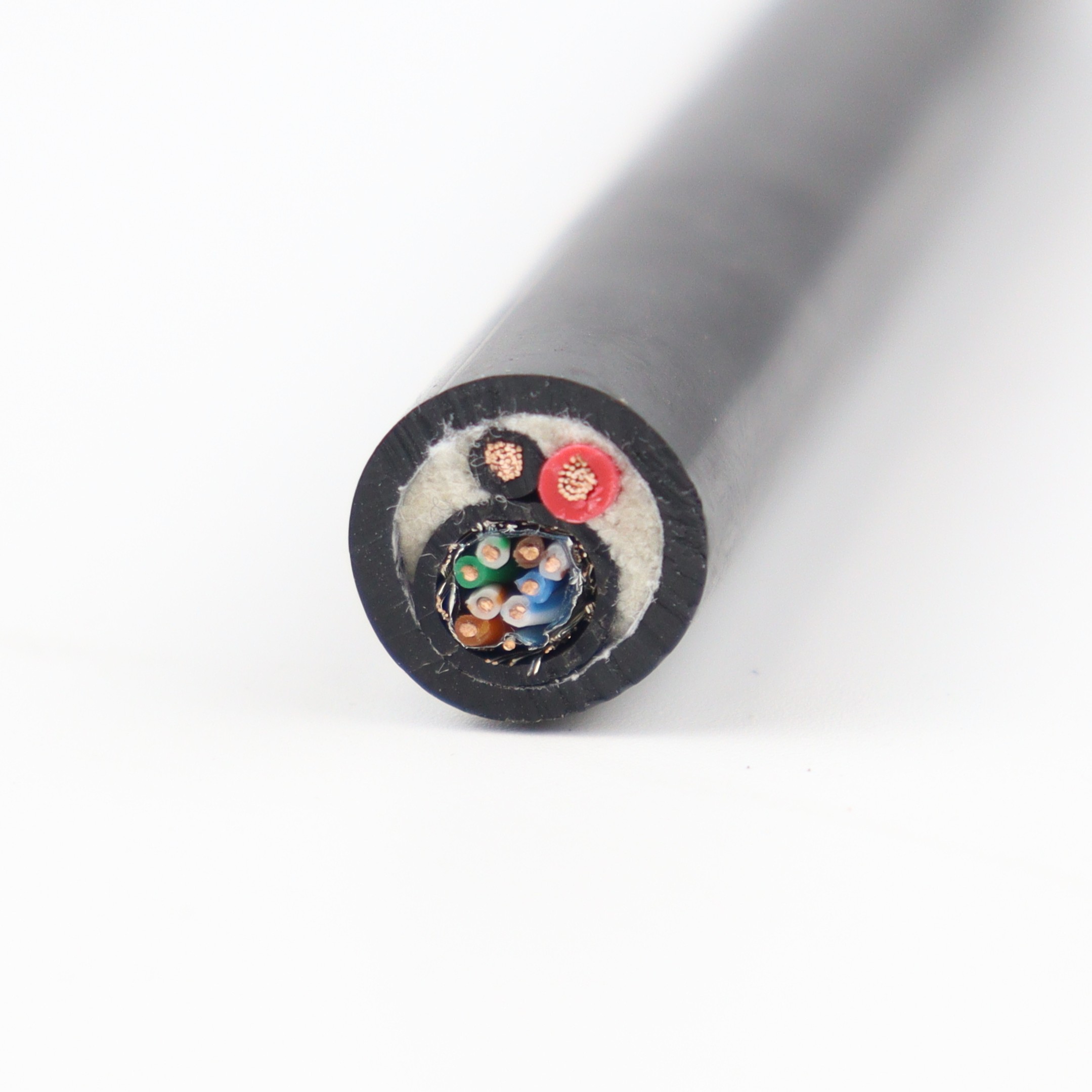
Checking wire specifications for conduit work means confirming both the insulation rating and the conditions allowed during installation. In building conduit wiring, the insulation rating must suit the circuit voltage, environment, and applicable electrical code. The installation temperature also matters: a cable suitable in service may have limits on how cold it can be while being pulled. Check both before selecting or handling Electrical Wire.
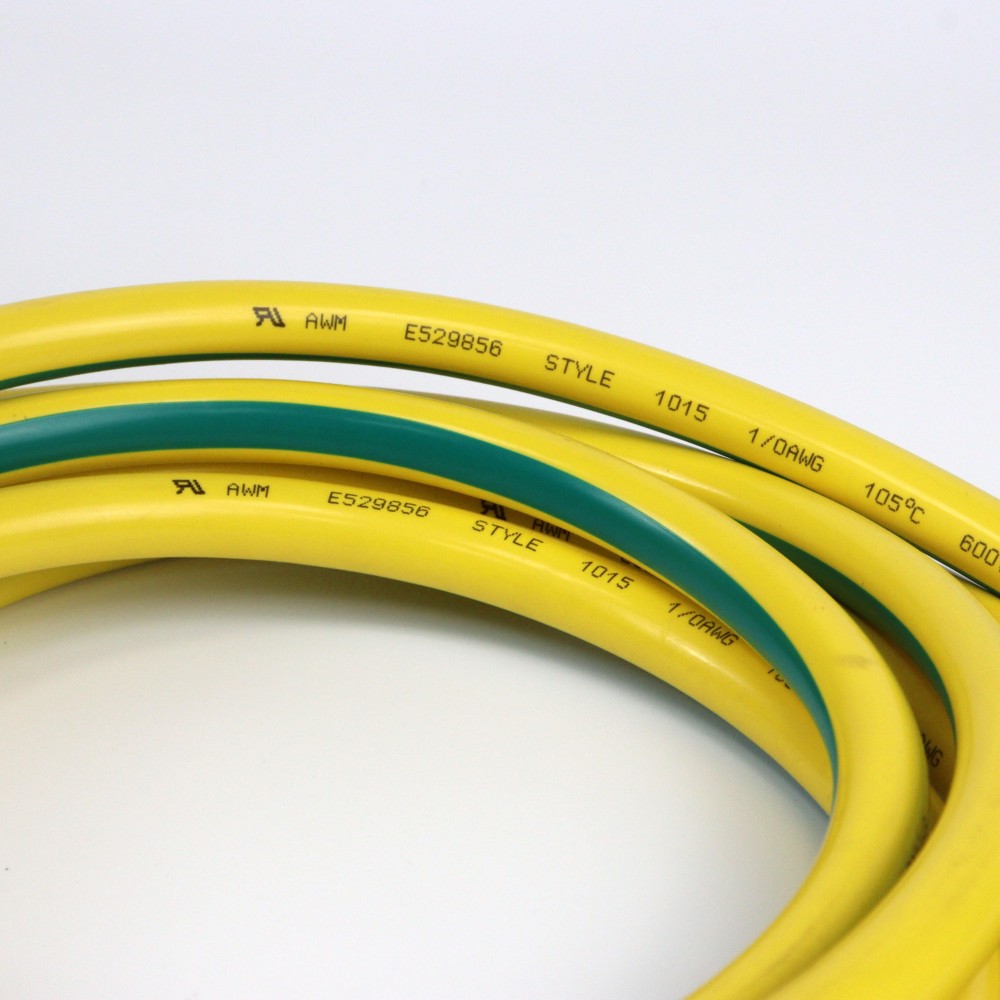
Start with the conductor and cable markings, then compare them with project drawings, equipment requirements, and local code. For building conduit wiring, do not treat a temperature printed on a product as a complete approval for every use. Confirm the insulation rating for the intended circuit, and separately establish the installation temperature range for storage, handling, and pulling. That sequence makes a specification review practical rather than guesswork.
Verify the cable and circuit requirements
Read markings against the design documents
Begin by recording the voltage, conductor size, material, insulation type, and any listing or application markings shown on the cable. In building conduit wiring, compare those details with the drawings and the equipment terminal requirements; the insulation rating must cover the circuit voltage and intended conditions. Also note whether the cable is approved for the proposed raceway and installation method. A familiar appearance is not proof that a wire meets the project specification.
The insulation rating describes a defined capability, not a universal permission to use the conductor anywhere. Check the product documentation for the stated temperature class and relevant restrictions, then confirm that the project design uses those values correctly. For building conduit wiring, document the exact cable designation rather than relying on a broad description such as PVC wire. This keeps later inspection and procurement decisions tied to a traceable specification.
Match the rating to operating conditions
Evaluate the expected ambient conditions, proximity to heat sources, enclosure conditions, and connected terminals. A cable’s insulation rating may be higher than the temperature limit of a terminal or another component, so the lowest applicable limit can govern the installation. In building conduit wiring, review the actual use case instead of assuming the printed temperature represents the permitted operating temperature for every part of the circuit.
Confirm conductor ampacity and overcurrent protection using the applicable code and design method; insulation temperature alone does not establish safe current capacity. Check whether the insulation rating is affected by bundling, conduit fill, ambient heat, or other adjustment factors. Keep the supporting data with the project records. This gives the installer and reviewer a clear basis for accepting the specified Electrical Wire and resolving questions before work begins.
Check installation temperature before pulling
Separate installation limits from service ratings
The installation temperature concerns the cable’s condition during handling and placement, while the service rating addresses permitted conditions in use. These values are related but not interchangeable. Before building conduit wiring begins, check the manufacturer’s instructions for the minimum pulling temperature and any additional handling precautions. A high insulation rating does not automatically mean the cable can be bent or pulled safely in cold weather.
Measure or reliably determine the cable temperature, not just the outdoor air temperature. Cable stored in a cold vehicle or warehouse may remain colder than the work area, while sun exposure can make a coil warmer than surrounding air. Compare the measured condition with the documented installation temperature range. If the cable is outside that range, pause and follow the manufacturer’s approved conditioning guidance rather than attempting to warm it with an uncontrolled heat source.
Plan storage, handling, and the conduit route
Before pulling, stage reels or coils where they can reach a suitable temperature without exposure to moisture, contaminants, or damaging heat. Check the route for tight bends, burrs, obstructions, and excessive pulling distance. In building conduit wiring, these factors can increase mechanical stress even when the installation temperature is acceptable. Confirm that pulling equipment, lubricant, and bend radii are compatible with the cable and conduit instructions.
If conditions change during a shift, recheck the cable and work area before continuing. Record the time, observed conditions, and any conditioning steps when project procedures require it. Do not assume that a previously checked installation temperature remains valid after a long delay or a move to a colder location. Careful handling protects the insulation rating in practice by reducing the chance of cracking, abrasion, or hidden damage during the pull.
Document the decision and inspect the finished run
Use a repeatable pre-installation check
A useful review connects the product label, technical data, project schedule, and field conditions. Confirm the cable identity and voltage, verify the insulation rating against the circuit and environment, and check the installation temperature against the handling instructions. For building conduit wiring, note the conduit material, fill, route, and relevant design constraints as part of the record. This creates a clear trail from specification approval to field use.
Resolve mismatches before installation. Examples include a cable with an unclear marking, a temperature instruction that is missing from the supplied documentation, or a proposed use that differs from the stated application. Ask the responsible designer or qualified electrical professional to clarify the requirement. Do not substitute a different wire solely because its insulation rating appears higher; voltage, construction, listing, and permitted use must also match.
Inspect after placement and retain evidence
After pulling, inspect accessible sections for cuts, flattened areas, kinks, or signs of heat damage, and verify that conductors are identified and terminated as designed. If damage is suspected, stop and have it evaluated under the project’s inspection process. Building conduit wiring should be checked against approved plans and applicable code before energization. A compliant installation depends on correct product selection as well as careful workmanship.
Retain cable labels, product documents, temperature checks, and inspection notes with the job file. These records help explain why a particular insulation rating and handling method were accepted, especially if the route is concealed later. If specifications change, repeat the review rather than carrying old assumptions forward. A single documented process for selection, temperature control, installation, and inspection makes the Electrical Wire decision easier to verify.
FAQ
Does the insulation temperature mark set the minimum pulling temperature?
Not necessarily. The insulation rating generally describes a service condition, while the product instructions may specify a separate minimum installation temperature. Check both values and follow the handling guidance for the exact cable.
Can cable be installed when the site is colder than the stated limit?
Do not proceed without an approved method. Confirm the cable’s actual temperature and consult its instructions or the responsible professional. Conditioning may be required before pulling, and uncontrolled heating can damage the insulation.
What should be recorded before building conduit wiring starts?
Keep the cable identification, insulation rating, circuit requirements, installation temperature check, and relevant product instructions. Add any required inspection notes so the basis for installation can be reviewed later.

 EN