Designing for underground plant wiring means managing two hazards that can pull cable selection in different directions: mechanical damage and water exposure. A Power Cable with armored construction may resist crushing, impact, and abrasion, but armor alone does not stop water from reaching cable components. Engineers must evaluate the moisture ingress risk alongside the installation’s physical demands, then coordinate cable construction, routing, terminations, and inspection.
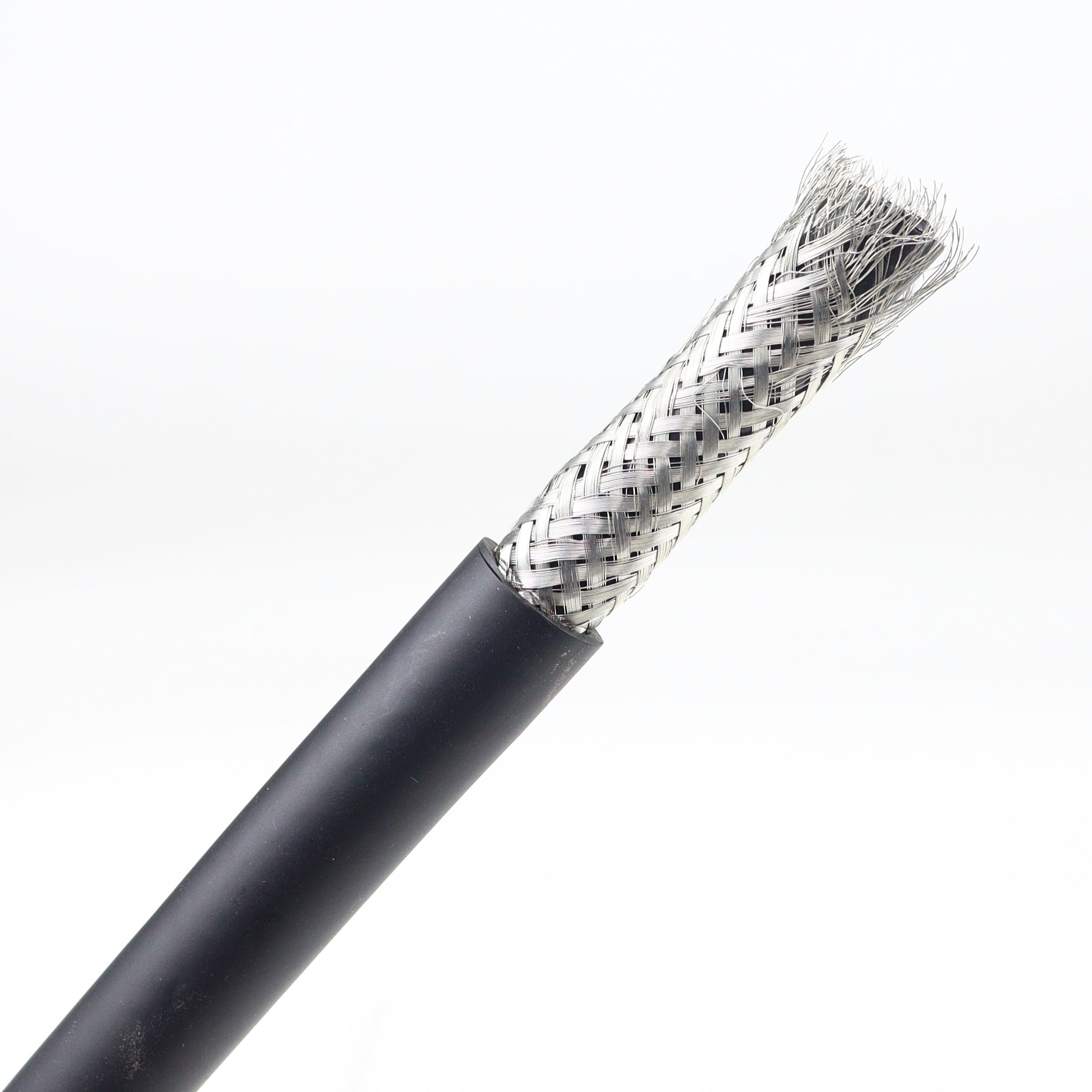
The right balance starts with the actual route and failure consequences, not a general preference for heavier protection. For underground plant wiring, document where pulling forces, sharp edges, standing water, chemical exposure, and maintenance traffic occur. Then specify armored construction where physical hazards justify it and address moisture ingress risk through compatible materials, sound sealing, and installation controls.
Assessing the competing risks before specification
Map mechanical exposure along the route
An effective design review divides underground plant wiring into real route conditions rather than treating the whole run as one environment. Identify buried sections, ducts, trenches, risers, equipment entries, and areas near moving machinery. For each segment, assess impact, compression, vibration, bending, and abrasion so armored construction responds to a defined hazard instead of adding weight without purpose.
The same route map should show low points, drainage paths, conduit joints, and locations that may remain wet after a leak or washdown. These details shape the moisture ingress risk because water can collect at interfaces even when most of a run is dry. In underground plant wiring, note whether water is occasional, persistent, or potentially pressurized, and consider whether service access will be practical.
Match protection to consequence
Not every cable segment needs identical protection. Where a route crosses a vehicle lane or passes exposed equipment, armored construction may be a reasonable barrier against physical contact. In a protected duct with controlled pulling conditions, a different cable construction may meet the need with easier handling. The Power Cable specification should reflect the credible damage mechanism and the consequence of a fault.
This distinction matters because adding armor does not remove the moisture ingress risk. Water can enter through damaged jackets, poorly prepared ends, or unsuitable accessories, and can migrate along a cable depending on its construction. For underground plant wiring, make the selected armor type and the cable’s water-related features separate specification decisions, then verify that their installation requirements work together.
Designing cable construction and interfaces together
Choose armor for the installation method
Armored construction should be selected against expected loads, bend limits, pulling tension, and the available installation space. A stronger mechanical layer can add stiffness and diameter, so confirm that the cable can pass through bends and entries without exceeding its permitted installation limits. In underground plant wiring, a route that looks protected on drawings may still impose high pulling stress at transitions.
Review the complete cable assembly, including conductors, insulation, inner and outer sheaths, and armor. Materials must suit the operating environment and remain compatible with glands, supports, and termination methods. This integrated review helps manage moisture ingress risk without assuming that a metal layer creates a water barrier. It also clarifies grounding and bonding provisions where the armor is conductive.
Protect ends, joints, and transitions
Cable ends and connections deserve the same design attention as the cable length. Select glands and sealing components suitable for the cable’s actual diameter, construction, and exposure; follow preparation instructions and preserve the jacket at the entry. In underground plant wiring, specify how transitions from wet or buried areas into cabinets will be supported and sealed.
Joints introduce interfaces that may become weak points if their location, enclosure, or workmanship is poorly controlled. Keep joints accessible where practical, limit unnecessary connections, and use components designed for the environment. These measures address moisture ingress risk more directly than relying on armored construction alone. They also make later inspection and repair more predictable for the maintenance team.
Controlling installation and long-term exposure
Set installation controls before work begins
A good design translates into work instructions that installers can follow. Specify bend radius, pulling limits, support spacing, entry preparation, and protection against dragging or sharp edges. For underground plant wiring, review the route on site before pulling because water, obstructions, or unexpected bends can differ from drawings. Stop and reassess if actual conditions exceed the planned installation assumptions.
Seal exposed ends during storage and installation, and avoid leaving cable ends open in wet areas. Use suitable pulling methods that do not damage the outer sheath or distort armor. Those controls reduce the moisture ingress risk created by installation damage, while also preserving the intended mechanical protection. Record deviations and inspect cable surfaces before termination.
Plan verification and maintenance around risk
Commissioning checks should confirm correct routing, secure supports, completed seals, and sound terminations. Where the application warrants it, electrical tests can establish a baseline for later comparison, but test selection and acceptance criteria should follow project requirements and applicable standards. In underground plant wiring, record inspection access points and drainage conditions so changes can be noticed over time.
Maintenance intervals should reflect exposure and the cost of an undetected fault, not a generic calendar alone. Inspect entries, joints, and low points after flooding, construction activity, or other events that could damage the route. Because armored construction can conceal some external damage, look for displaced glands, corrosion, jacket cuts, and water evidence. This makes the moisture ingress risk a managed condition rather than an assumption.
FAQ
Does armored construction prevent water entry?
No. Armored construction primarily addresses mechanical exposure; water resistance depends on the complete cable design, sheath, accessories, and workmanship. For underground plant wiring, assess the moisture ingress risk at ends and joints as carefully as along the cable run.
How should engineers prioritize armor and sealing?
Start with route hazards and consequences, then specify each protection for its intended purpose. In underground plant wiring, armored construction should match credible mechanical loads, while sealing, suitable components, and careful installation address moisture ingress risk. Confirm that the choices are compatible as a complete system.
When should the design be reviewed again?
Reassess when route conditions, equipment, drainage, or service requirements change. A review is also prudent after flooding, construction damage, or repeated termination problems, since these can alter the original exposure assumptions and maintenance needs.

 EN







