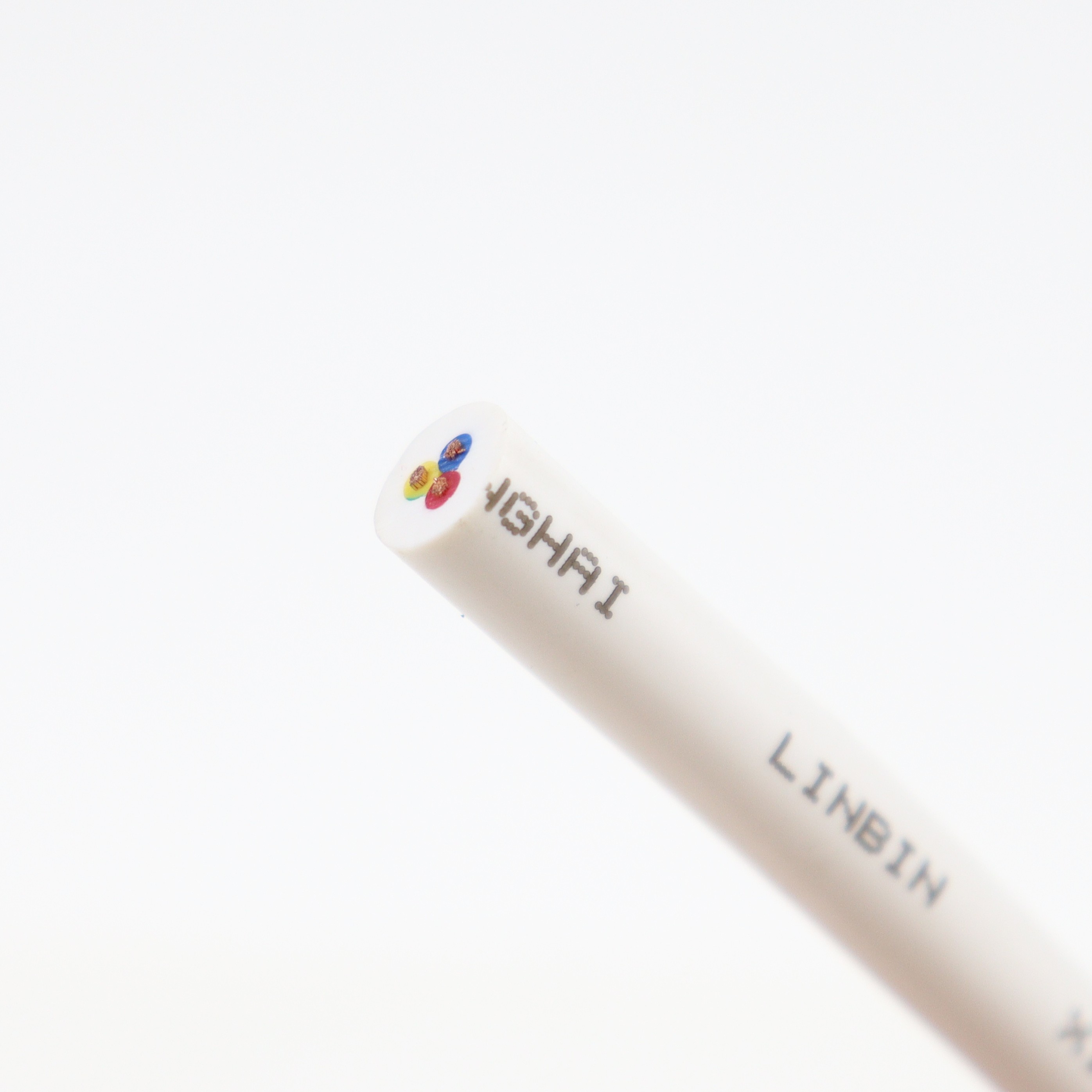
A tracker follows the sun by rotating its modules, so the conductors between moving and fixed equipment bend and twist throughout service. Solar tracker wiring must therefore be designed for torsional flex and repeated movement, not treated like a stationary cable run. When producing Solar Cable for a tracker, accounting for its motion helps engineers reduce avoidable mechanical strain and support reliable electrical connections.
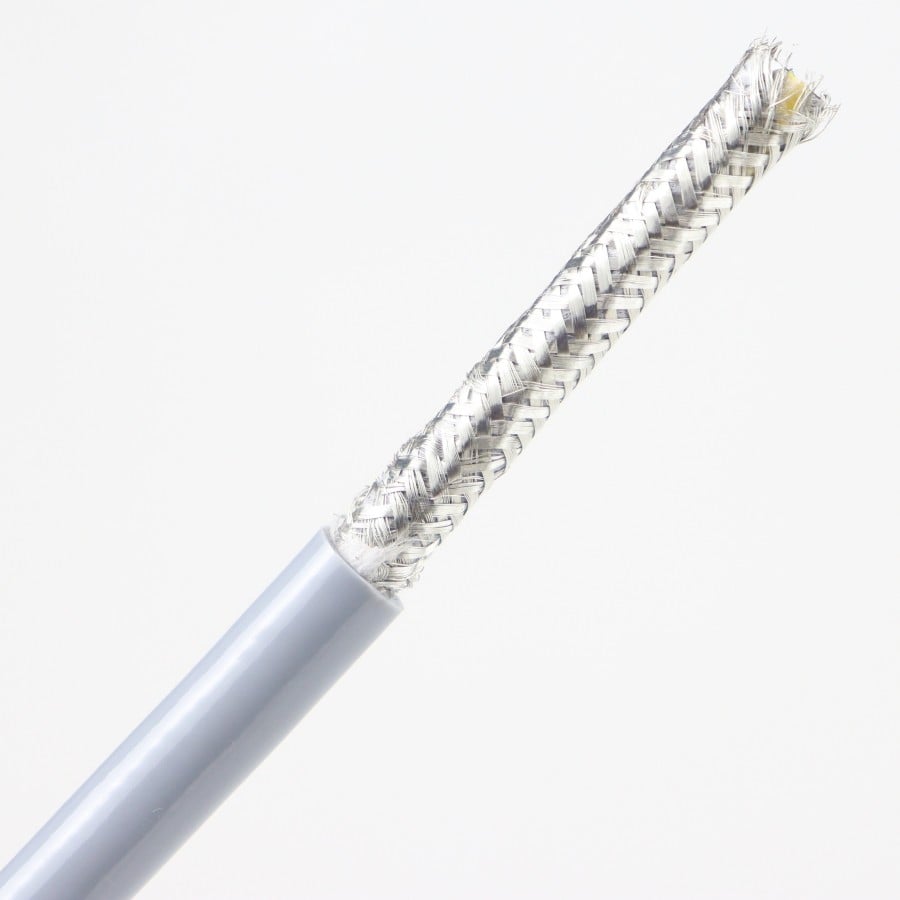
The key is to understand how the cable moves in the actual installation. Torsional flex describes twisting along the cable axis, while repeated movement describes cycling through the tracker’s operating range over time. These demands affect conductor construction, insulation, jacket choice, routing, and validation. A Solar Cable intended for moving service should be evaluated as part of the complete mechanical system.
Tracker motion creates distinct cable stresses
Rotation adds torsional flex along the run
A tracker’s drive mechanism changes the orientation of the modules and can twist the cable between its attachment points. In solar tracker wiring, the amount and direction of torsional flex depend on the axis, rotation range, cable length, and location of clamps or guides. Repeated movement through that range may distribute strain unevenly, especially where a cable is constrained near a connector or frame edge.
For production planning, torsional flex should be considered alongside bend radius rather than as a substitute for it. A cable can meet a static bend requirement yet still experience concentrated twisting in operation. Repeated movement and torsional flex can interact when the tracker turns and returns, so solar tracker wiring needs a route that allows controlled movement without pulling, rubbing, or winding the cable tightly around structural parts.
Daily cycling makes small installation issues matter
Each tracking cycle adds another opportunity for rubbing, local bending, or tension at a transition point. Solar tracker wiring may travel through guides, trays, or flexible loops, and each contact point can influence how torsional flex is shared along the run. If the route is too short or poorly supported, repeated movement may load one section more heavily than the rest.
These conditions are why installation geometry belongs in the cable specification discussion. Engineers should examine the tracker’s motion envelope, the cable’s fixed and moving endpoints, and likely points of contact. Torsional flex should be assessed under the intended routing, because a cable that moves freely in a test fixture may behave differently when solar tracker wiring is secured to real equipment.
Cable construction must match the motion profile
Conductor and insulation choices support flexibility
A moving cable is a combination of materials and geometry, not simply a flexible outer jacket. Conductor stranding, lay, insulation thickness, and cable diameter influence how the assembly responds to torsional flex. For solar tracker wiring, production decisions should reflect the expected travel, operating environment, electrical requirements, and available routing space rather than relying on a single flexibility label.
The conductor design should accommodate the intended repeated movement without creating avoidable stress concentrations. At the same time, the insulation must maintain electrical separation through the specified service conditions. A useful review asks how torsional flex travels through the complete construction, where the cable transitions from fixed to moving, and whether solar tracker wiring can move without being pinched or sharply redirected.
The outer jacket faces abrasion and exposure
The jacket is the cable’s first barrier against contact with surrounding equipment and environmental exposure. In solar tracker wiring, repeated movement may bring the jacket against supports, edges, or neighboring cables. Material selection should therefore consider the site conditions and likely abrasion points, as well as the flexibility needed for torsional flex over the tracker’s operating range.
A robust design review considers the whole route instead of assuming the jacket alone will solve mechanical problems. Adequate clearance, smooth guides, suitable support spacing, and protection at contact points can reduce unnecessary wear. When repeated movement changes the contact location during rotation, solar tracker wiring should be checked across the full travel path, not only in its parked position.
Production and validation should reflect field use
Translate tracker requirements into cable criteria
Before production, define the tracker’s rotation range, cycle pattern, cable length, mounting locations, and minimum available bend space. Those inputs help describe the torsional flex and repeated movement the cable will face. Solar tracker wiring specifications should also state electrical ratings and relevant environmental conditions so the mechanical design is not evaluated in isolation.
Clear acceptance criteria improve communication between cable production and system engineering. Identify the cable’s fixed and moving ends, the expected direction of twist, and any sections that must remain clear of moving hardware. Where solar tracker wiring uses a loop or guide, record its position and geometry; the arrangement can determine whether torsional flex is spread across the cable or concentrated near a termination.
Validate the installed route, not only the cable sample
Testing should represent the intended motion and support arrangement as closely as practical. A controlled evaluation can expose rubbing, kinking, winding, or excessive tension that a static inspection will not reveal. For solar tracker wiring, include the relevant rotation range and observe how repeated movement affects the cable path, especially at clamps, connectors, and transitions.
Inspection findings can guide adjustments to routing, support placement, or cable selection before a design is released for broader use. Record the test setup and the observed movement so results remain meaningful when production or installation details change. Torsional flex should be considered with temperature, exposure, and installation tolerances; a favorable result in one arrangement does not automatically apply to every tracker configuration.
FAQ
Why does solar tracker wiring need a movement-specific design?
Because tracker rotation repeatedly changes the cable’s position and can introduce twisting, bending, tension, and abrasion. Solar tracker wiring designed around the actual route and motion profile is easier to assess than a cable selected only for its electrical rating.
How should torsional flex be evaluated?
Review the rotation range, fixed points, guides, and points of contact, then evaluate the cable in a representative setup. Torsional flex should be considered alongside bend radius and the expected repeated movement, not as an isolated property.
Does repeated movement make routing as important as cable construction?
Yes. Cable construction matters, but poor clearance, tight routing, or a sharp transition can concentrate stress and undermine the design. Assess repeated movement across the full travel path and make sure supports allow the cable to move without pulling or chafing.

 EN