When strand class and routing space are overlooked during electrical design, custom equipment leads can be difficult to install, prone to damage, or unsuitable for repeated movement. These risks are easy to miss when a drawing shows only a conductor’s nominal size and a simplified path through the equipment. A sound wire choice must account for the actual route, termination method, and service conditions.
For custom equipment leads, the two details work together: strand construction influences how a conductor bends and terminates, while routing space determines whether it can follow the intended path without strain. Ignoring either can create assembly delays, insulation wear, or maintenance complications. Evaluating Electrical Wire against the finished equipment layout helps expose these issues before production.
How overlooked choices create physical fit problems
Strand class affects handling and termination
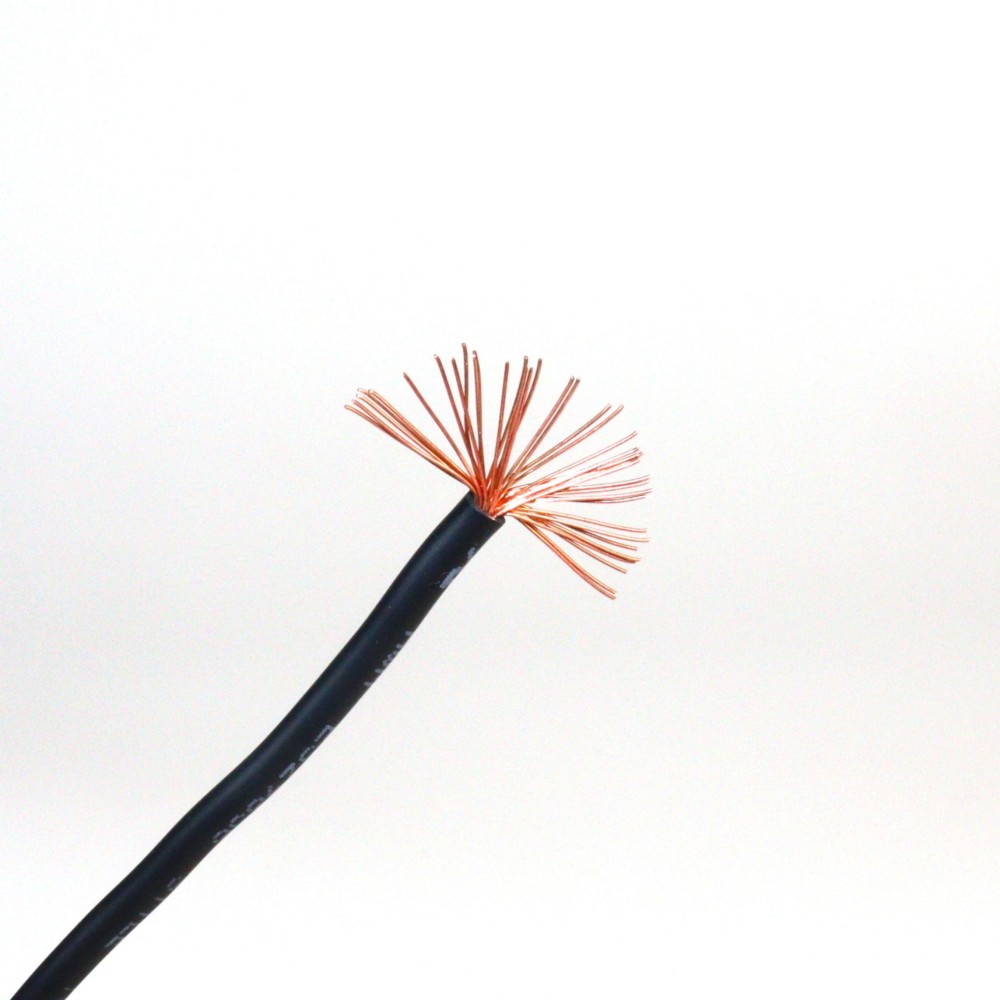
Strand class describes conductor construction and is relevant to how wire handles during installation. A design that specifies only conductor area may leave an assembler with a wire that is less flexible than the intended route requires. For custom equipment leads, that mismatch can make tight bends difficult, increase handling effort, or encourage installers to pull harder than the termination process allows.
That matters at terminals, connectors, and transitions between moving and fixed sections. If strand class does not suit the bend demands, conductors may resist the planned path or place extra mechanical load on a connection. Routing space should be reviewed at the same time: even a flexible conductor needs enough room to enter a terminal cleanly, maintain its bend, and avoid being trapped by nearby parts.
Routing space determines whether the drawing is buildable
A route that appears clear in a schematic may be crowded in a finished panel or machine enclosure. Routing space has to accommodate the wire’s outside diameter, insulation, bend path, installation access, and neighboring components. When these clearances are missing, custom equipment leads can press against edges, cross moving parts, or obstruct other wiring, turning a nominally simple assembly into rework.
Design reviews should use the actual enclosure geometry rather than assume that a line on a drawing represents a usable path. Check entry and exit points, corner transitions, and the clearance needed to fit tools or secure the lead. Confirming routing space early can reveal interference before parts are released, while the wire path and hardware are still practical to adjust.
How poor fit becomes reliability and service risk
Bend stress and abrasion can shorten useful service
When a conductor is forced into a tight path, repeated movement can concentrate stress at a bend or termination. Strand class influences how the conductor responds to flexing, but the overall assembly also depends on support, bend radius, and whether the wire moves during operation. Custom equipment leads routed without enough clearance may rub against edges or neighboring hardware, wearing insulation over time.
A static installation still needs a sensible route. Vibration, door movement, equipment servicing, and thermal expansion can shift a lead from its original position. If routing space is marginal, those small movements may create pinching or abrasion points. Inspecting likely contact areas and considering how the equipment is accessed helps engineers distinguish a merely tight route from one that can create a recurring maintenance concern.
Connections and troubleshooting can become harder
Crowded wire paths can make it harder to seat conductors correctly, identify them, or reach a termination during inspection. A strand class that is poorly matched to the terminal may also complicate preparation and connection consistency. Together, these issues can increase assembly variation and make troubleshooting slower, particularly when custom equipment leads are bundled tightly or routed behind serviceable components.
The practical consequence is not limited to initial production. Technicians may need to move adjacent wires to reach a connection, and repeated handling can disturb nearby terminations. Preserve routing space around inspection points and plan access before finalizing the harness or panel layout. Clear, supported paths make it easier to trace circuits and return leads to their intended positions after service.
How to prevent problems before production
Review conductor construction and path as one design
Start by defining the installation conditions: whether the lead is fixed or moving, how often it flexes, where it terminates, and what obstacles sit along its route. Then select strand class to suit those handling and movement demands, while checking that the conductor and insulation fit the available channel. Custom equipment leads should be assessed in the assembly they will occupy, not as an isolated wire specification.
A three-dimensional review or physical mock-up can expose tight corners, clashes, and inaccessible connections that a schematic does not show. Measure the finished path, include bend allowances, and check routing space after nearby components and covers are installed. If a route cannot be built without forcing the conductor, revise the path, support points, or component arrangement rather than relying on installation pressure to solve the fit.
Validate assembly and maintenance conditions
Before release, confirm that the intended wire can be cut, stripped, routed, supported, and terminated using the planned process. Review whether the selected strand class is compatible with the termination hardware and assembly instructions. For custom equipment leads, a representative build helps reveal handling issues, unexpected interference, and places where additional clearance or restraint may be necessary.
The review should also consider inspection and replacement. A route that is buildable once may still be difficult to access after enclosure components are fitted. Check the path during normal operation and service access, then document acceptable routing space and support locations in drawings or work instructions. These checks give production and maintenance teams a shared reference, reducing the chance that each assembler improvises a different path.
FAQ
What does strand class change in an equipment lead?
Strand class indicates conductor construction and can affect handling and flexibility. The suitable strand class depends on the route, movement, and termination requirements. It should be evaluated alongside available clearance so custom equipment leads can be installed and connected without forcing the conductor.
Why is routing space important if the wire fits electrically?
Electrical suitability does not guarantee physical fit. Inadequate routing space can cause interference, difficult assembly, restricted service access, or contact with edges and moving parts. Check the full path, including bends and connection access, and confirm that the installed wire remains supported.
When should engineers check wire routing?
Check routing during layout design and repeat the review against a representative build before production release. Reassess routing space when components, covers, or service procedures change. Confirm strand class and fit together so custom equipment leads match both the assembly process and operating conditions.

 EN