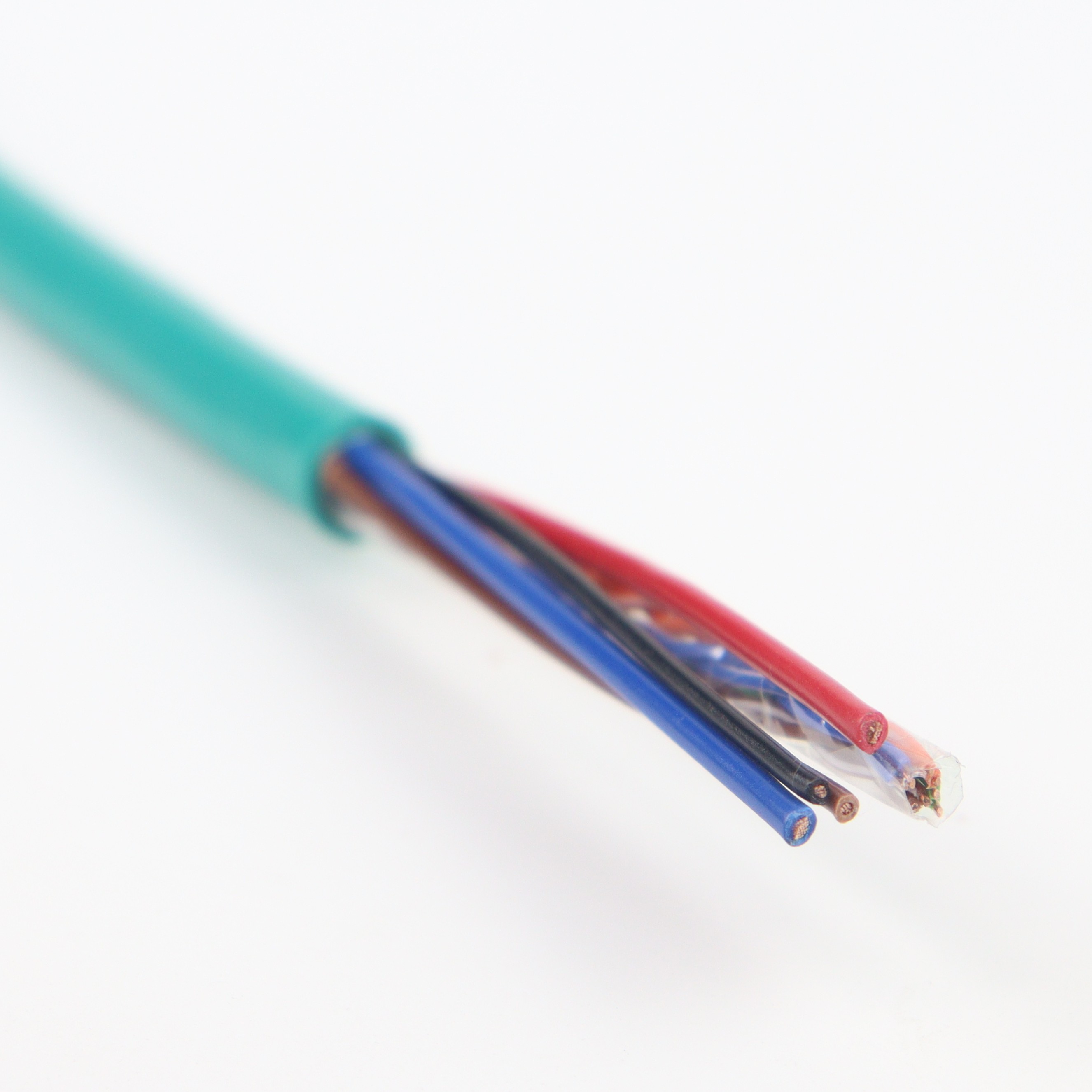
When investigating feed motor interruptions, do not treat the motor circuit as stationary until the hopper lid has been checked through its full range of travel. In automatic pet feeder wiring, hopper lid movement can pull, pinch, or repeatedly flex a conductor, creating a fault that appears only when the lid is open or closing. A useful inspection follows the cable’s path while the mechanism moves.
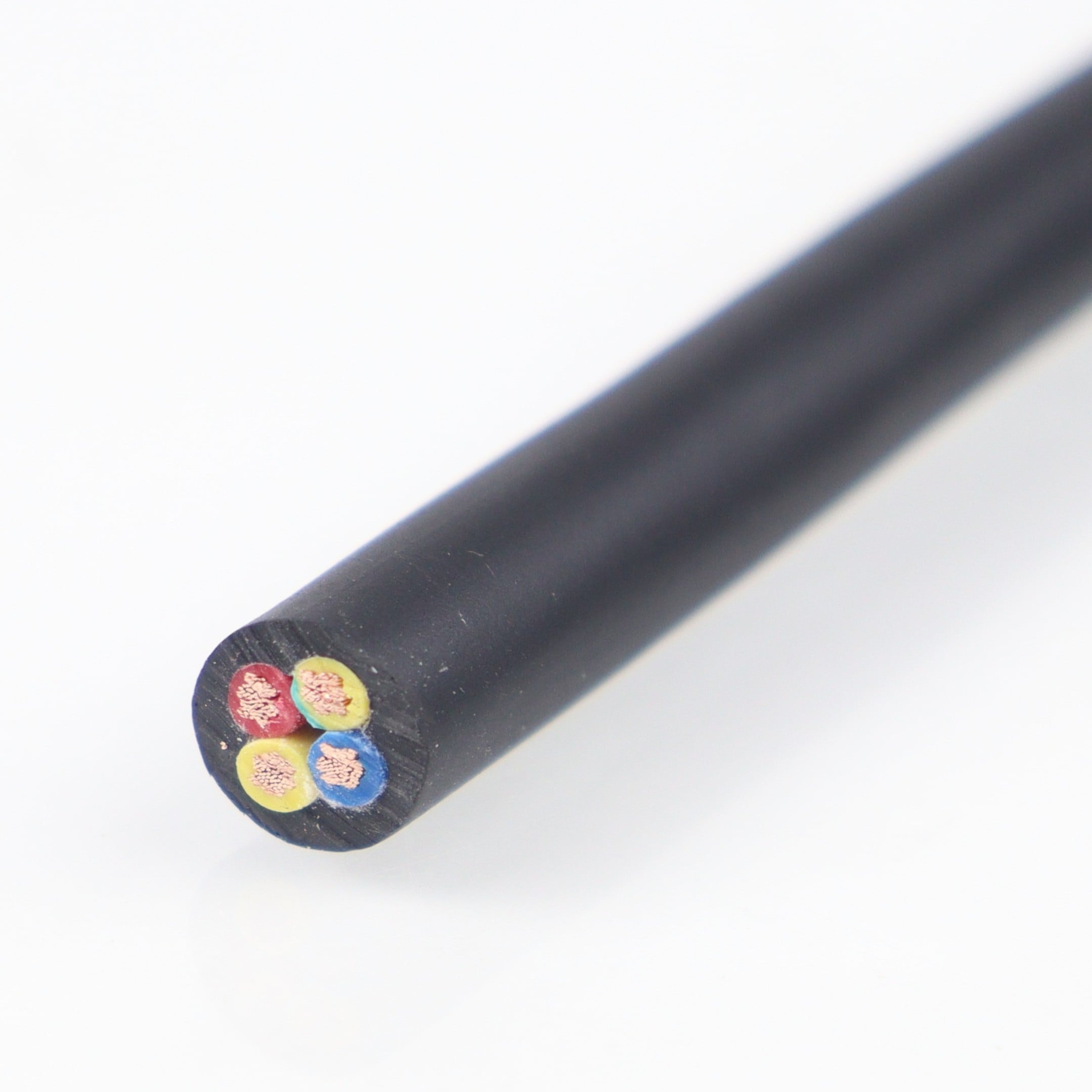
The practical goal is to separate a movement-related wiring defect from a motor, control, or supply problem. Observe hopper lid movement slowly, note where the harness bends or contacts an edge, and compare the position with the onset of feed motor interruptions. A Flexible Cable route should accommodate the complete motion without transferring force to terminals or connectors.
Map the Lid’s Motion Before Testing the Circuit
Establish the moving and fixed points
Start with the feeder unplugged and identify the fixed frame, the lid pivot, the motor, and each point where automatic pet feeder wiring is secured. Move the lid by hand through its normal operating arc, watching whether the harness follows a smooth curve or is dragged across a corner. Hopper lid movement changes the distance between attachment points, so a route that looks relaxed in one position may become taut in another.
Mark the cable’s resting path at closed, partly open, and fully open positions. Look for a sudden change in curvature, a loop that collapses, or contact with a hinge, gear, or enclosure seam. These observations connect hopper lid movement with possible feed motor interruptions more reliably than inspecting the closed feeder alone. Keep fingers clear of pinch areas, and do not energize the mechanism while manually repositioning the harness.
Locate the motion-sensitive section
With the route mapped, inspect the section that bends most often and the areas near strain reliefs. A flattened jacket, polished rub mark, exposed conductor, or loose clip can indicate repeated mechanical loading. In automatic pet feeder wiring, a damaged conductor may remain electrically connected until the lid reaches a particular angle, making feed motor interruptions intermittent and difficult to reproduce.
Check whether the cable is being stretched lengthwise, twisted around its axis, or flexed at a very short radius. Hopper lid movement can combine these actions, especially when a harness crosses the pivot instead of following a controlled loop. Record the lid position when a symptom occurs, then compare that point with the cable’s most constrained position. This helps narrow inspection to a specific moving span instead of prompting an unnecessary full-system replacement.
Route the Cable to Follow the Mechanism
Provide a controlled service loop
A suitable route gives the moving span enough length to change shape without pulling on either endpoint. Position a service loop near the transition between the fixed body and lid, keeping it clear of gears and edges throughout the arc. For automatic pet feeder wiring, confirm the loop remains supported but not clamped so tightly that it cannot flex. Excess slack is also undesirable because it can enter the feed path or catch during closure.
Check the loop at several lid angles rather than judging it in one position. It should not snap straight, fold sharply, or rub on a stationary surface as hopper lid movement continues. If feed motor interruptions occur only near full opening, the harness may be reaching its extension limit at that point. Adjust the attachment locations or path, then repeat the motion check before restoring power.
Protect the route without restricting flex
Use smooth guides, rounded pass-throughs, and properly positioned strain reliefs to prevent abrasion and direct load away from electrical terminations. Select a cable construction appropriate to the movement, bend pattern, environment, and electrical requirements; a torsion-resistant option may be relevant if the route also twists. Automatic pet feeder wiring should remain separated from sharp edges and hot or contaminated areas, while still allowing the lid its designed travel.
Do not solve a snag by adding a tight tie at the hinge. That can shift the bend to the tie edge and make the next section carry more stress. Instead, guide the cable gradually and check clearances during hopper lid movement. If feed motor interruptions persist after a routing adjustment, inspect connectors and terminations as well; a mechanically improved route cannot repair an already broken strand or loose contact.
Verify the Repair and Isolate Remaining Faults
Test motion and electrical continuity safely
After securing the route, repeat the full lid cycle with power disconnected. Confirm the cable neither snags nor becomes taut, and verify clips and strain reliefs stay in place. Then use the feeder’s service procedure and suitable test equipment to check the relevant circuit. During diagnosis of feed motor interruptions, compare readings at different lid positions rather than relying on one static continuity result.
If the circuit is safe to energize, observe operation under controlled conditions and keep hands away from moving parts. Note whether motor behavior changes with hopper lid movement, with the lid stationary, or only when a feed command is issued. This distinction helps separate a moving-harness fault from a motor load issue, sensor condition, or control problem. Do not bypass safeguards or probe energized connections without the required training.
Document the final route and symptom
Record the cable path, attachment points, lid positions tested, and any damaged sections replaced. For repeatable automatic pet feeder wiring maintenance, include the inspection point in routine service, particularly where the harness passes near a pivot or enclosure edge. A clear record lets another technician determine whether later feed motor interruptions share the original movement pattern or represent a separate fault.
A successful correction is not simply a tidy-looking harness. The route must remain protected and electrically reliable across the operating arc, with no tension transferred to the motor or connector. Recheck after reassembly because covers can change clearances or press on the cable. If symptoms return, reassess hopper lid movement and inspect the full circuit rather than assuming the first repair failed for the same reason.
FAQ
Can the lid cause motor faults even if it does not touch the cable?
Yes. Hopper lid movement can stretch or bend a concealed span without visible contact. Inspect attachment points and cable curvature at several angles, then test whether feed motor interruptions correspond to a repeatable lid position.
Should the cable be completely loose near the hinge?
No. The route needs enough controlled slack for movement, but an unsupported loop can snag or enter the mechanism. In automatic pet feeder wiring, guide the loop so it flexes smoothly while staying clear of moving and sharp surfaces.
What if interruptions continue after rerouting?
Check the conductor, connector retention, motor, supply, and control circuit using the equipment and procedures appropriate to the feeder. If feed motor interruptions do not track with hopper lid movement, investigate other electrical or mechanical causes rather than repeatedly changing the cable path.

 EN