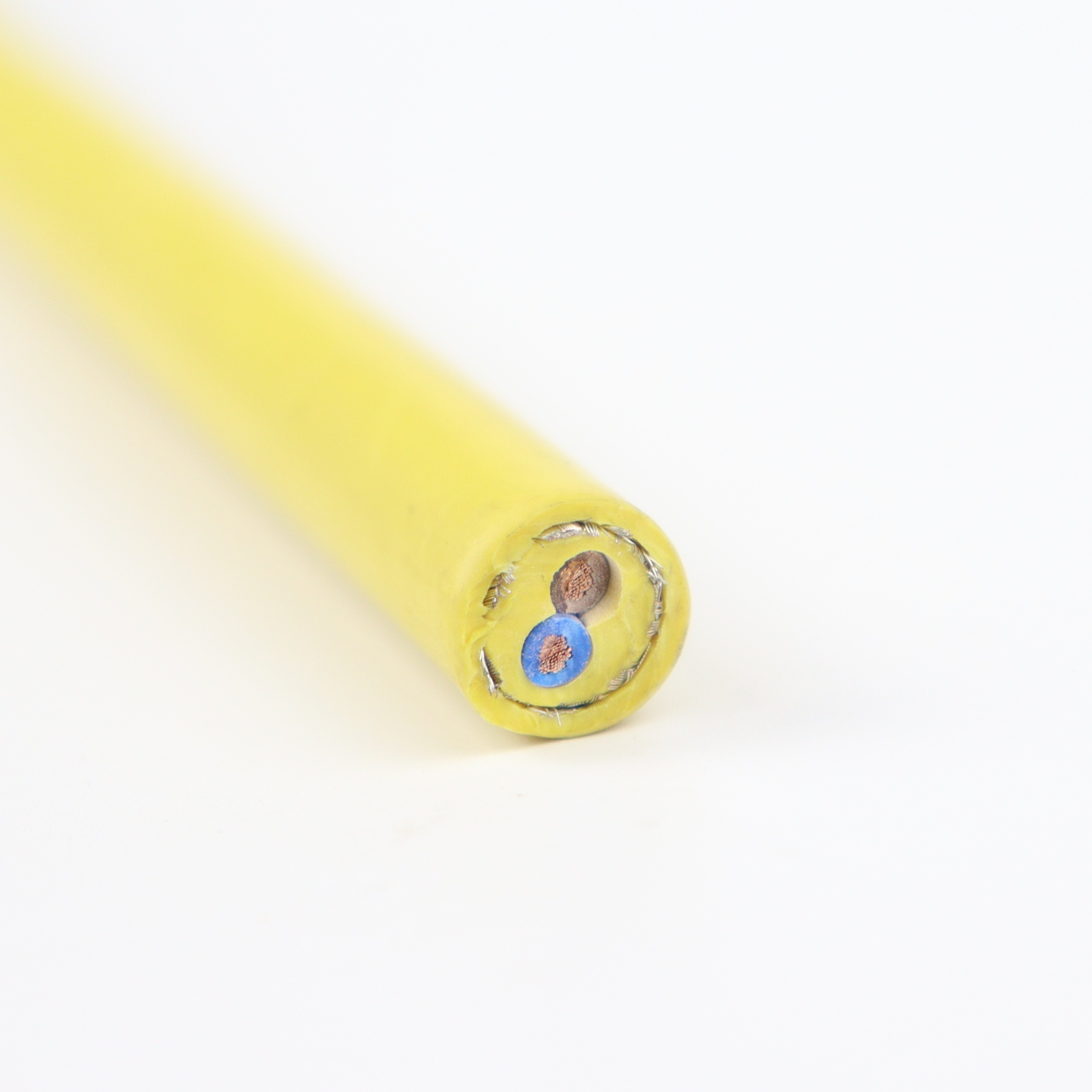
Planning a buried Coaxial Cable route means assessing the ground the cable will cross, the protection its construction provides, and the consequences of a fault after installation. A direct burial jacket is designed for underground exposure, but its suitability depends on the specified environment and installation method. Rodent chew resistance also matters where animals can reach the cable, though it should be treated as one part of route protection rather than a substitute for sound design.
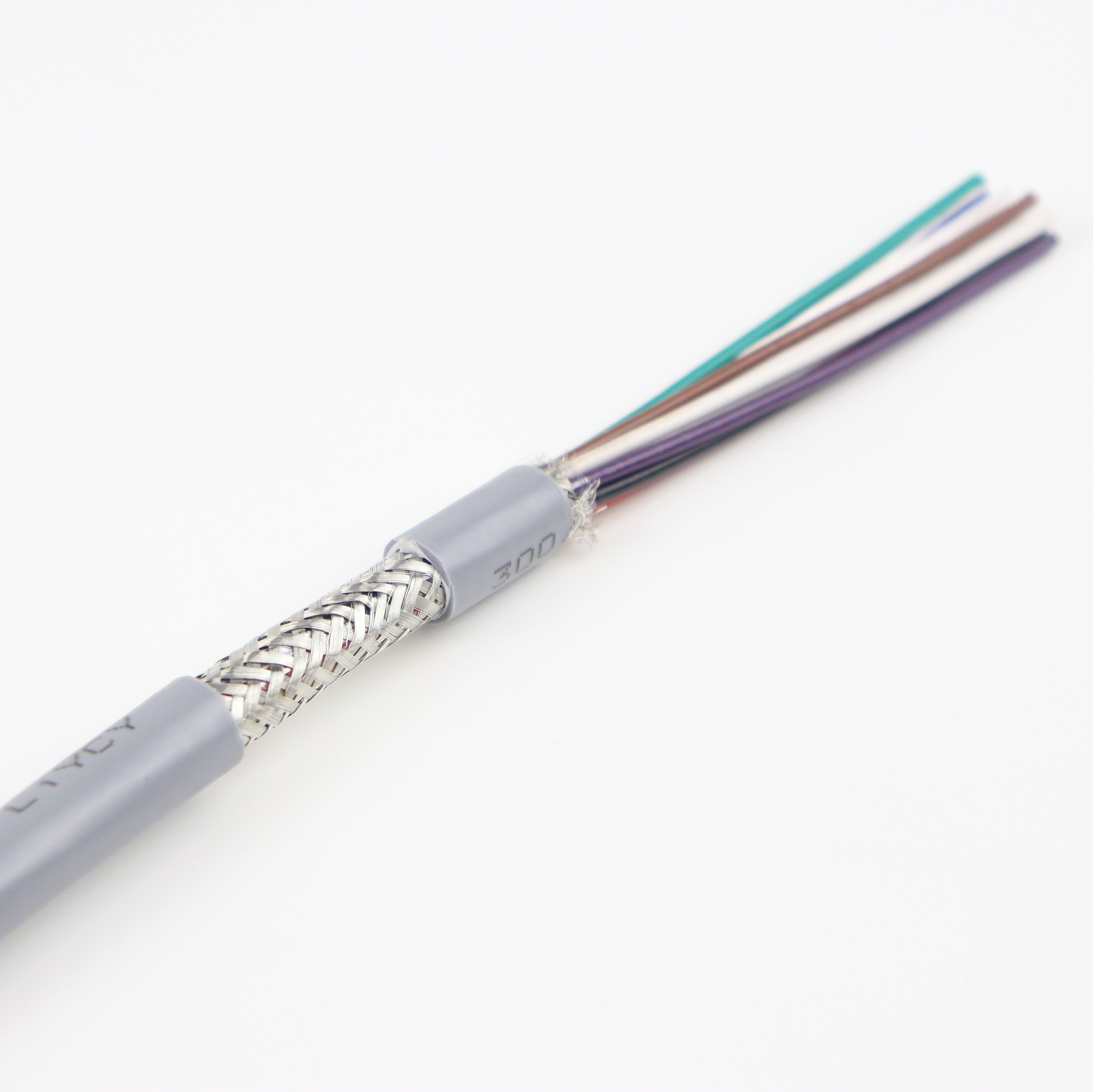
These specifications influence where a buried coax route can run, how it should be installed, and what maintenance risks remain. Reviewing the direct burial jacket construction alongside rodent chew resistance helps project teams match cable selection to soil, moisture, mechanical exposure, and access constraints. The goal is not simply to choose a tougher-looking cable; it is to make the route’s expected conditions explicit and confirm that the product documentation addresses them.
How jacket specifications shape route design
Match the jacket to the underground environment
A direct burial jacket is the cable’s outer protective layer, so its specified material and construction inform whether the product is intended for direct contact with soil. For a buried coax route, review manufacturer documentation for the stated installation application, environmental limits, and any restrictions on exposure. Do not assume that a cable suitable for outdoor use is automatically suitable for burial; those are distinct service conditions.
Moisture, soil chemistry, temperature variation, and abrasion during placement can all affect jacket suitability. The direct burial jacket should be evaluated against the actual site rather than a generic description of the project as underground. Where the route crosses varied ground, identify the most demanding sections and confirm that the cable specification covers them. This review can reveal when conduit, a different cable construction, or a revised alignment merits consideration.
Connect construction details to installation decisions
A buried coax route is also shaped by how the jacket tolerates handling and contact with backfill. Confirm applicable bend limits, pulling guidance, and installation instructions before trenching begins. A direct burial jacket does not make the cable immune to cuts, crushing, sharp rocks, or excessive pulling tension. Protecting it during deployment preserves the intended barrier and reduces the chance that damage will be hidden once the trench is closed.
Route drawings should identify transitions, entry points, and locations where cable may encounter greater mechanical stress. That detail helps installers avoid abrupt bends and makes future access more practical. If the direct burial jacket specification includes particular handling or burial conditions, translate those requirements into the work plan. A clear installation method is especially valuable where several crews or later maintenance teams may work on the same buried coax route.
How rodent exposure changes protection needs
Assess likely access and consequences
Rodent chew resistance matters most where animals are likely to encounter the cable, such as near buildings, utility penetrations, or established burrowing areas. On a buried coax route, assess both the surrounding habitat and accessible transitions, since exposure can vary along the alignment. Review how the cable construction addresses animal damage and what test or qualification information supports that claim; a general label alone may not explain the protection level.
The consequence of damage should guide how much attention the project gives this hazard. A fault beneath a paved area or remote field may take more effort to locate and repair than one near an accessible service point. Rodent chew resistance can reduce one identified vulnerability, but it does not guarantee that an animal cannot damage the cable. Consider route access, repair disruption, and the importance of uninterrupted service when evaluating the specification.
Combine cable choice with route-level controls
Cable construction is only one layer of defense. A buried coax route may also use suitable conduit or physical barriers in localized high-risk areas, provided these measures fit the installation requirements and do not compromise cable handling. Rodent chew resistance should be reviewed together with jacket durability, the route’s depth and surroundings, and protection at exposed entries. The appropriate combination depends on site conditions, not on a single feature in isolation.
Pay particular attention where the cable emerges from soil, enters a structure, or shares a path with other services. These transition points can be easier to reach than the continuously buried section. A direct burial jacket and rodent chew resistance support protection, but careful sealing, mechanical guarding where appropriate, and accessible inspection points can address risks beyond the cable itself. Documenting these choices also gives maintenance teams a useful record of the original design intent.
Turning specifications into a dependable route plan
Verify requirements before procurement and trenching
Before selecting a Coaxial Cable, compare its published application and construction details with the project’s soil, moisture, expected temperature range, and installation method. Confirm that the direct burial jacket is identified for the intended service, and resolve any uncertainty with the product documentation or technical support. This step prevents assumptions from becoming field decisions after materials arrive and excavation is underway.
Then map the buried coax route against site drawings and walk the alignment where practical. Note crossings, sharp changes in direction, access constraints, likely animal activity, and points where the cable becomes exposed. Check rodent chew resistance claims against the project’s exposure concern, and determine whether supplemental protection is needed in specific locations. This focused review ties the cable specification to the physical route instead of treating procurement and installation as separate tasks.
Preserve inspection and repair options
Even a properly selected direct burial jacket cannot remove the need for careful installation records. Record the route, depth where required by the project, transitions, joints, and protective measures so future crews can locate the cable without unnecessary excavation. For a buried coax route that passes through areas likely to change, retaining accurate as-built information is a practical way to reduce accidental strikes and make troubleshooting more deliberate.
Include inspection and repair planning in the design rather than waiting for a failure. Consider which sections are accessible, how a damaged segment could be isolated, and whether spare pathway or repair materials are appropriate to the operating context. Rodent chew resistance can inform expected exposure, but monitoring should focus on vulnerable transitions and known animal activity. Together, specification review and route documentation help keep maintenance decisions grounded in actual site conditions.
FAQ
Does a direct burial jacket mean conduit is unnecessary?
Not automatically. A direct burial jacket indicates an intended application that must be confirmed in the cable documentation, while conduit may still be appropriate for impact protection, access, or a specific site hazard. Evaluate the buried coax route, installation rules, and service environment before deciding whether additional pathway protection is needed.
How should rodent chew resistance affect route selection?
Treat rodent chew resistance as one selection factor, not a guarantee against damage. Consider animal activity, exposed transitions, repair access, and the disruption a fault could cause. If risk is concentrated in certain areas, a localized protective measure may be more practical than changing the full route.
What should teams verify before installation?
Confirm the cable’s intended burial application, jacket details, handling guidance, and any relevant animal-protection information. Compare these with site conditions and document the chosen protections. A clear review before trenching helps ensure that the direct burial jacket and the planned route address the actual risks.

 EN