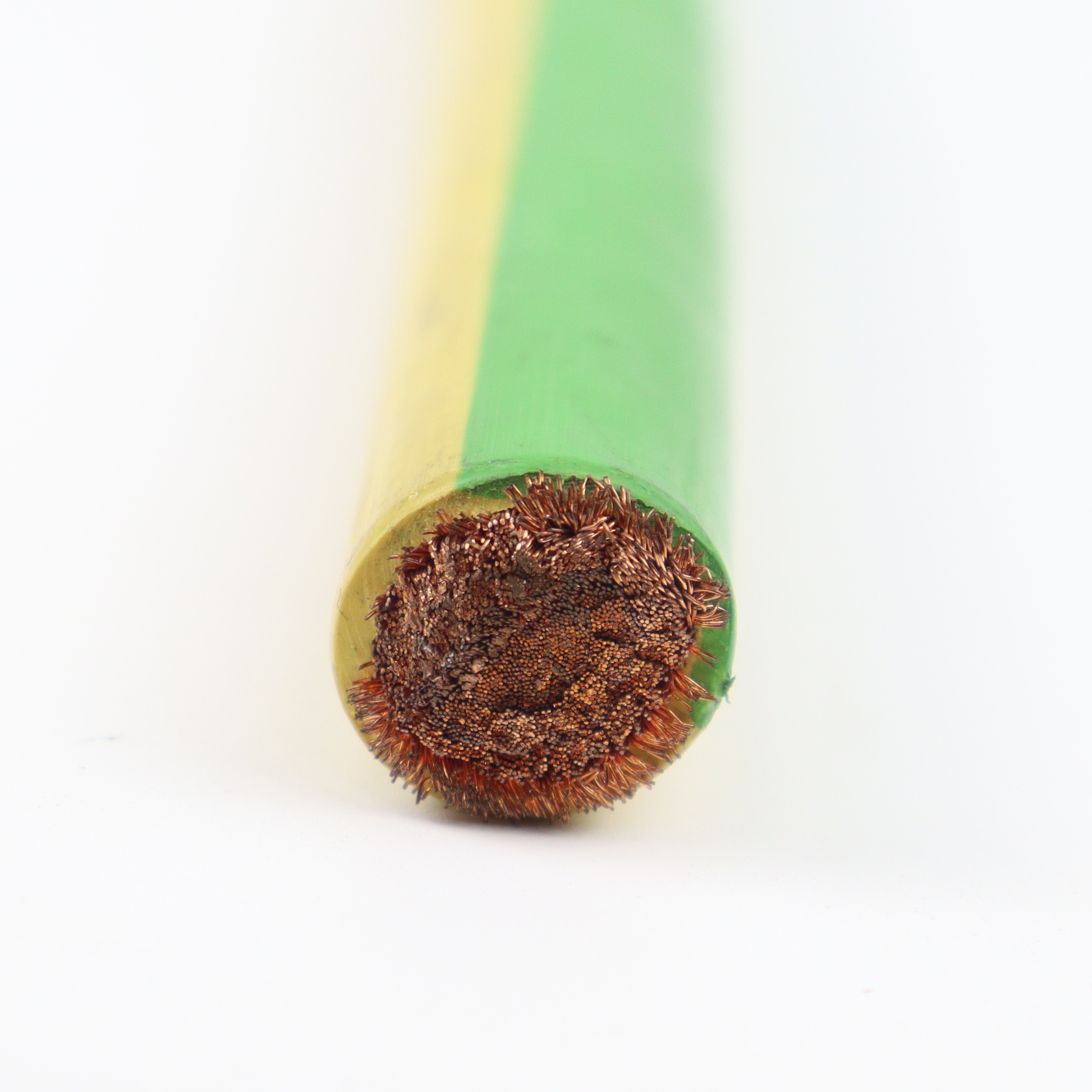
Lightweight braid construction can reduce cable mass, but its relationship to avionics noise susceptibility depends on more than weight alone. In cockpit sensor circuits, the braid’s coverage, electrical continuity, termination, and installation determine how well a Shielded Cable controls electromagnetic coupling without adding unnecessary mass.
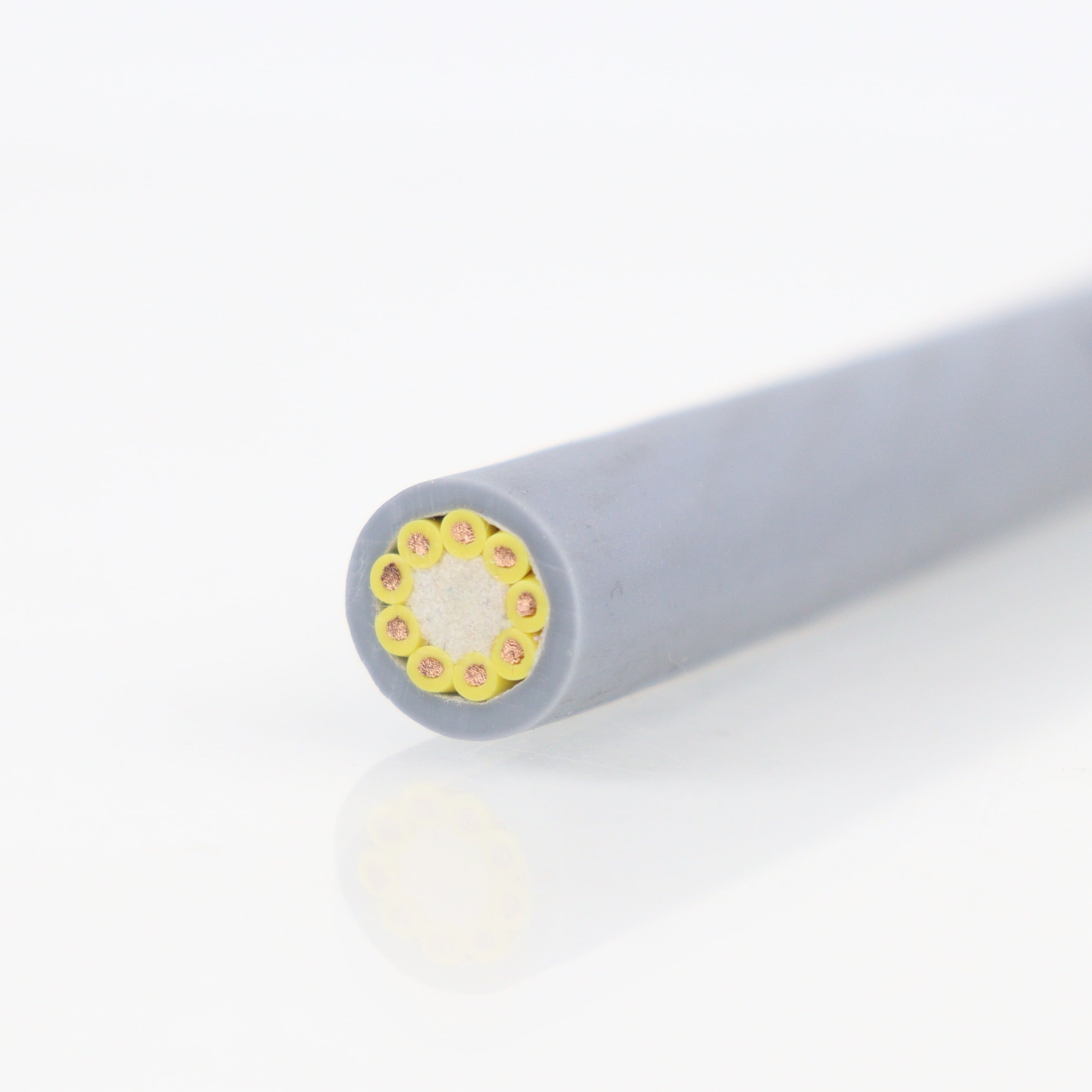
The practical answer is conditional: a lighter braid may provide adequate protection when its construction and system installation match the interference environment, but weight reduction alone does not establish suitability. Evaluating cockpit sensor circuits means considering signal type, nearby noise sources, routing, and bonding together. That is how lightweight braid construction can be assessed in relation to avionics noise susceptibility rather than treated as an isolated cable feature.
How braid weight connects to shielding behavior
Coverage and electrical continuity
A braid is a network of conductive strands woven around insulated conductors. Its shielding behavior depends on factors such as coverage, strand arrangement, material, and continuity. In cockpit sensor circuits, lightweight braid construction can use finer or fewer strands to limit mass, but any design change should be considered alongside the expected electromagnetic environment and avionics noise susceptibility.
Braid coverage influences how much of the cable circumference is screened, while the weave also affects flexibility and the number of openings in the shield. Those openings do not translate into one universal performance result; frequency, cable geometry, and installation all matter. For a Shielded Cable serving cockpit sensor circuits, the specified construction should be evaluated against the actual disturbance sources, not judged by braid weight alone.
Weight reduction and design trade-offs
Lightweight braid construction can help manage harness mass, which is a legitimate aircraft design consideration, but less conductive material may alter coverage or resistance. The consequence depends on the complete cable design and how the shield is terminated. Engineers assessing avionics noise susceptibility should confirm that the braid configuration meets the applicable project requirements for cockpit sensor circuits instead of assuming that a lighter build is equivalent.
A useful review compares construction details with electrical and mechanical requirements. Check the cable specification for shield material, braid coverage or construction description, and any documented test criteria. Then confirm that the proposed Shielded Cable suits the circuit’s signal characteristics and operating environment. Lightweight braid construction is a design variable; avionics noise susceptibility is a system-level outcome that also reflects coupling paths and equipment interfaces.
How installation changes the noise relationship
Routing near interference sources
Even a well-designed braid cannot remove every path by which interference reaches a sensor signal. Long parallel runs near power conductors, switching equipment, or other electrically noisy systems can increase coupling opportunities. For cockpit sensor circuits, routing decisions can therefore change avionics noise susceptibility as much as the choice between braid constructions.
Where practical, maintain separation from identified noise sources and avoid unnecessary parallel routing. If paths must cross, installation design can consider crossing geometry and equipment guidance. These measures help a Shielded Cable perform within the intended system arrangement; they do not replace a suitable shield. Lightweight braid construction should be evaluated in the context of the actual harness route, not only on a component drawing.
Termination and bonding
A shield’s effectiveness depends on a sound electrical connection at its termination. Poor contact, an unsuitable termination method, or an unintended discontinuity can undermine the intended shielding path, regardless of braid coverage. For cockpit sensor circuits, installation instructions and approved bonding practices should be followed so that lightweight braid construction works as designed and does not create avoidable avionics noise susceptibility.
Review both ends of the cable and any intermediate connections according to the system architecture. The appropriate termination approach depends on circuit design and equipment requirements, so a generic rule should not replace approved engineering documentation. When investigating noise, inspect the shield path and bonding alongside routing and connector condition. This keeps the assessment focused on the complete Shielded Cable installation rather than blaming braid mass by itself.
How to assess suitability for sensor circuits
Match construction to circuit needs
Start with the sensor signal: identify its level, bandwidth, impedance, and sensitivity to coupled disturbances, using circuit documentation rather than assumptions. Then identify likely interference sources and the cable’s route. This process makes avionics noise susceptibility a defined design question for cockpit sensor circuits and clarifies whether lightweight braid construction aligns with the project’s requirements.
Next, compare documented cable construction with the required shielding and mechanical properties. Review coverage, flexibility, bend conditions, temperature range, and applicable qualification evidence. A Shielded Cable should be selected against the complete operating envelope, while lightweight braid construction should be accepted only when its specified performance and installation constraints are understood. No single braid-weight figure answers every cockpit sensor circuits application.
Verify performance in the installed system
If susceptibility remains uncertain, system-level verification can help distinguish cable effects from grounding, connector, routing, or equipment issues. Test planning should reflect the circuit and applicable engineering standards, with representative installation conditions. This matters because avionics noise susceptibility is influenced by the complete path, and lightweight braid construction cannot be judged reliably from appearance alone.
Document the configuration, test conditions, observed behavior, and any corrective changes. If a sensor channel shows interference, inspect routing and terminations before concluding that braid coverage is insufficient. For cockpit sensor circuits, a measured, repeatable review provides a stronger basis for decisions than broad assumptions about lighter shields. It also helps establish whether the selected Shielded Cable meets the defined system need.
FAQ
Does lighter braid always increase noise susceptibility?
No. Lightweight braid construction may change coverage or other electrical characteristics, but the result depends on design, termination, and routing. Avionics noise susceptibility in cockpit sensor circuits must be assessed against the complete installation, not inferred from mass alone.
Can braid shielding compensate for poor routing?
It should not be treated as a substitute for sound routing. A Shielded Cable can reduce some coupling paths, but proximity to noise sources and parallel runs still matter. Assess cockpit sensor circuits, installation constraints, and avionics noise susceptibility together, using approved project guidance.
What should engineers verify before selecting a cable?
Confirm the required signal and environmental properties, shield construction, termination method, and applicable evidence. Check that lightweight braid construction suits the harness route and that the Shielded Cable meets documented needs for cockpit sensor circuits. Validate avionics noise susceptibility at system level when design analysis or test requirements call for it.

 EN