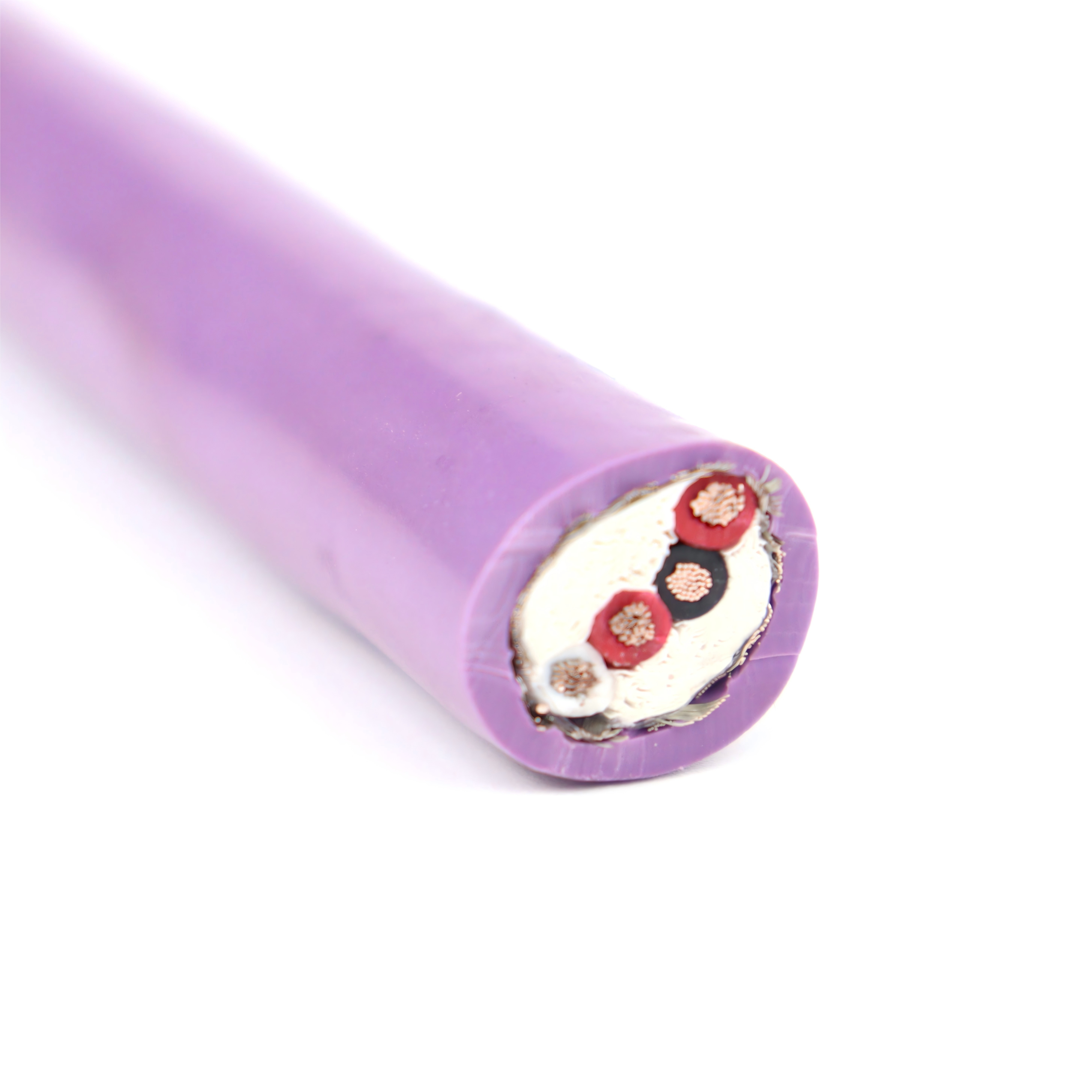
Three-phase EV charging depends on more than connecting a cable to a vehicle and charger. The phase conductor arrangement determines how conductors are identified and connected, while charger phase mismatch can prevent the supply and charging equipment from working together as intended. Understanding both issues helps installers plan connections, verify compatibility, and avoid preventable commissioning delays.
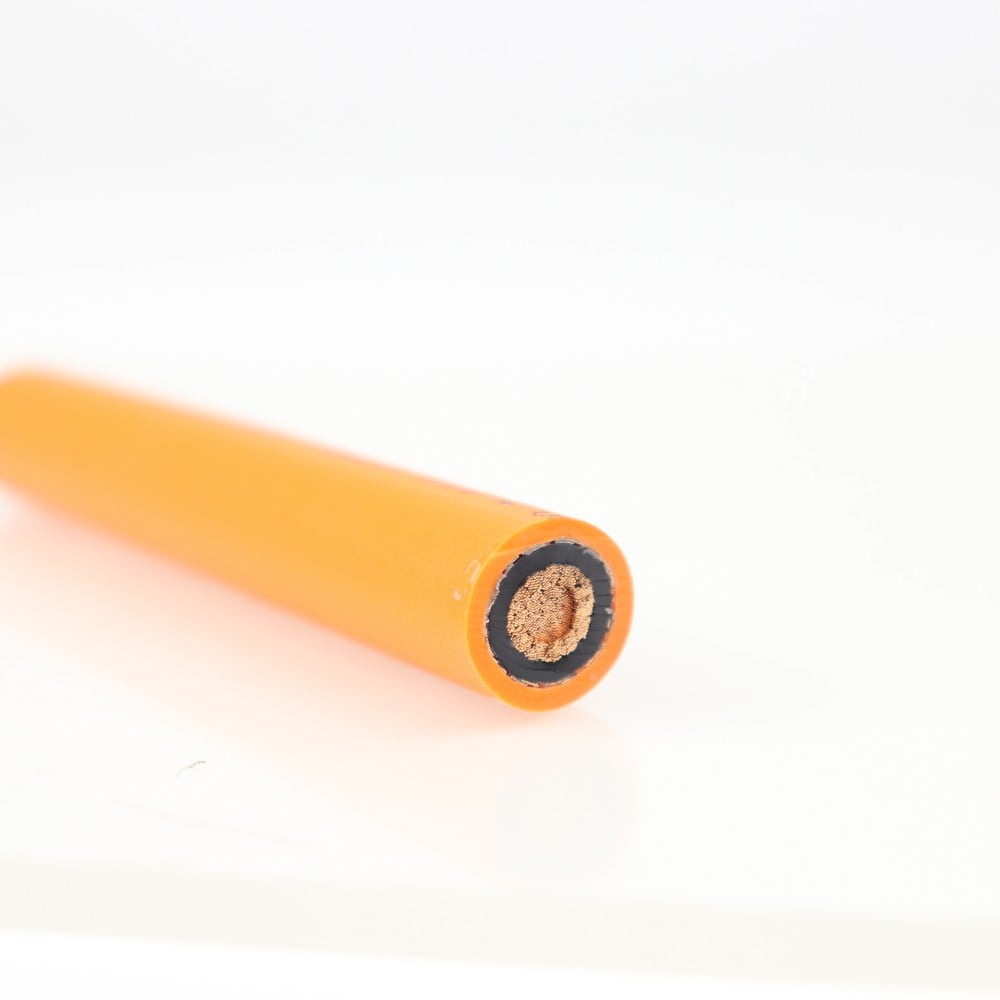
The practical question is how these electrical details affect a real installation. A sound phase conductor arrangement supports correct termination and inspection, but it cannot resolve charger phase mismatch if the equipment expects a different supply configuration. This guide explains where each issue arises, what to check before energizing a system, and how cable selection fits into the connection plan.
How phase arrangement shapes the connection
Conductor identification and phase sequence
In three-phase EV charging, the supply uses three live phases, commonly identified as L1, L2, and L3, alongside protective earth and, where required by the design, a neutral conductor. The phase conductor arrangement describes how those conductors are laid out, identified, and terminated through the circuit. Clear identification matters because a cable route may pass through isolators, distribution equipment, and charging hardware before reaching the final connection point.
A phase conductor arrangement should follow the applicable wiring rules, equipment diagrams, and site documentation rather than assumptions based on conductor position alone. Installers should verify labels at both ends and confirm that terminals accept the specified conductor type and size. A consistent phase conductor arrangement makes inspection easier and helps prevent crossed, omitted, or poorly secured conductors during installation or maintenance.
What correct arrangement can and cannot do
For many charging systems, the charger rectifies incoming AC power, so phase sequence may not determine vehicle charging in the same way it would for a directly connected rotating motor. That does not make phase conductor arrangement unimportant: the equipment still requires the correct number of phases, voltage, protective conductors, and terminal assignments. Follow the charger manufacturer’s installation instructions and local electrical requirements for the specific model and supply.
Correct routing also supports practical serviceability. A legible phase conductor arrangement helps technicians trace circuits, test phase-to-phase and phase-to-earth conditions, and isolate equipment safely. When choosing an EV cable, check that its construction, conductor count, voltage rating, flexibility, and termination method suit the application. The cable itself does not correct a wiring error or make incompatible equipment compatible.
How charger phase mismatch affects operation
Recognizing a supply and equipment mismatch
Charger phase mismatch occurs when the supply available at a site does not match the input configuration the charging equipment is designed to use. For example, a unit intended for three-phase EV charging may not operate as specified on a single-phase supply, even when voltage at one pair of terminals appears suitable. Conversely, a single-phase charger does not automatically use all phases of a three-phase service.
The consequences depend on the charger design and the installation. The equipment may refuse to start, report a supply fault, limit its input, or operate only under a configuration explicitly supported by its documentation. A charger phase mismatch is not solved by swapping conductors or changing the phase conductor arrangement without an engineered basis. Verify the nameplate, wiring diagram, rated input voltage, phase count, and site supply before connection.
Compatibility checks before commissioning
A commissioning check should compare the service characteristics with the charger requirements, not just confirm that conductors physically reach the terminals. Measure and verify supply voltage using the approved procedure, confirm phase availability, and check protective devices, earthing, and neutral requirements where applicable. For three-phase EV charging, confirm that the equipment is configured for the actual supply and that any required settings are documented.
If a charger phase mismatch is suspected, stop and identify its cause before energizing or repeatedly resetting the unit. Review drawings, terminal markings, and installation records, then have a qualified person assess whether the issue is supply capacity, wiring, configuration, or equipment suitability. A documented phase conductor arrangement helps this review because technicians can compare the installed circuit with the intended design rather than relying on recollection.
Applying the checks to cable and site planning
Match cable construction to the installation
Cable planning begins with the electrical design: expected current, voltage, route length, installation method, ambient conditions, and applicable derating factors. The phase conductor arrangement must be supported by the cable’s conductor count and the termination space in the equipment. Do not infer ampacity or suitability from appearance; use product specifications and qualified engineering guidance to verify conductor size, insulation, temperature limits, and permitted use.
For three-phase EV charging, the cable selection should also account for mechanical demands such as bending, movement, abrasion exposure, and routing through trays or enclosures. Flexible cable may be useful in moving or tight installation contexts when its rating and construction suit the task. It remains essential to protect the cable from damage and to terminate it using compatible glands, lugs, and methods specified for the conductors and equipment.
Use a repeatable verification workflow
Before work begins, document the supply, charger input requirements, protective arrangement, cable route, and planned phase conductor arrangement. During installation, label conductors consistently and check each termination against the diagram. Before commissioning, inspect mechanical security, confirm electrical test results, and verify that the charger recognizes the expected supply. This sequence makes an emerging charger phase mismatch easier to detect before it becomes an operating fault.
After testing, retain updated drawings and commissioning records that show the final connections and settings. If equipment is replaced or a site supply changes, compare the new conditions with the original design rather than assuming that existing terminations remain suitable. Clear records support safe maintenance, help explain operating limits to facility teams, and make future changes to three-phase EV charging more predictable.
FAQ
Does phase sequence always affect EV charging?
Not necessarily; the effect depends on charger design and installation requirements. Three-phase EV charging equipment still requires the specified input phases and correct terminations. Follow the wiring diagram, verify the phase conductor arrangement, and do not assume that phase sequence is irrelevant simply because the unit powers on.
Can a different cable fix charger phase mismatch?
No. Cable construction supports the intended circuit but cannot change the charger’s input design or the site supply. Check voltage, phase availability, equipment settings, and terminal assignments to identify the actual cause of charger phase mismatch before selecting or replacing cable.
What should be checked before connecting a cable?
Confirm the charger rating, supply configuration, conductor requirements, protective devices, and installation conditions. Then verify that the phase conductor arrangement matches the approved drawings and that the cable is suitable for the route and terminations. Qualified commissioning tests should confirm readiness for three-phase EV charging.

 EN