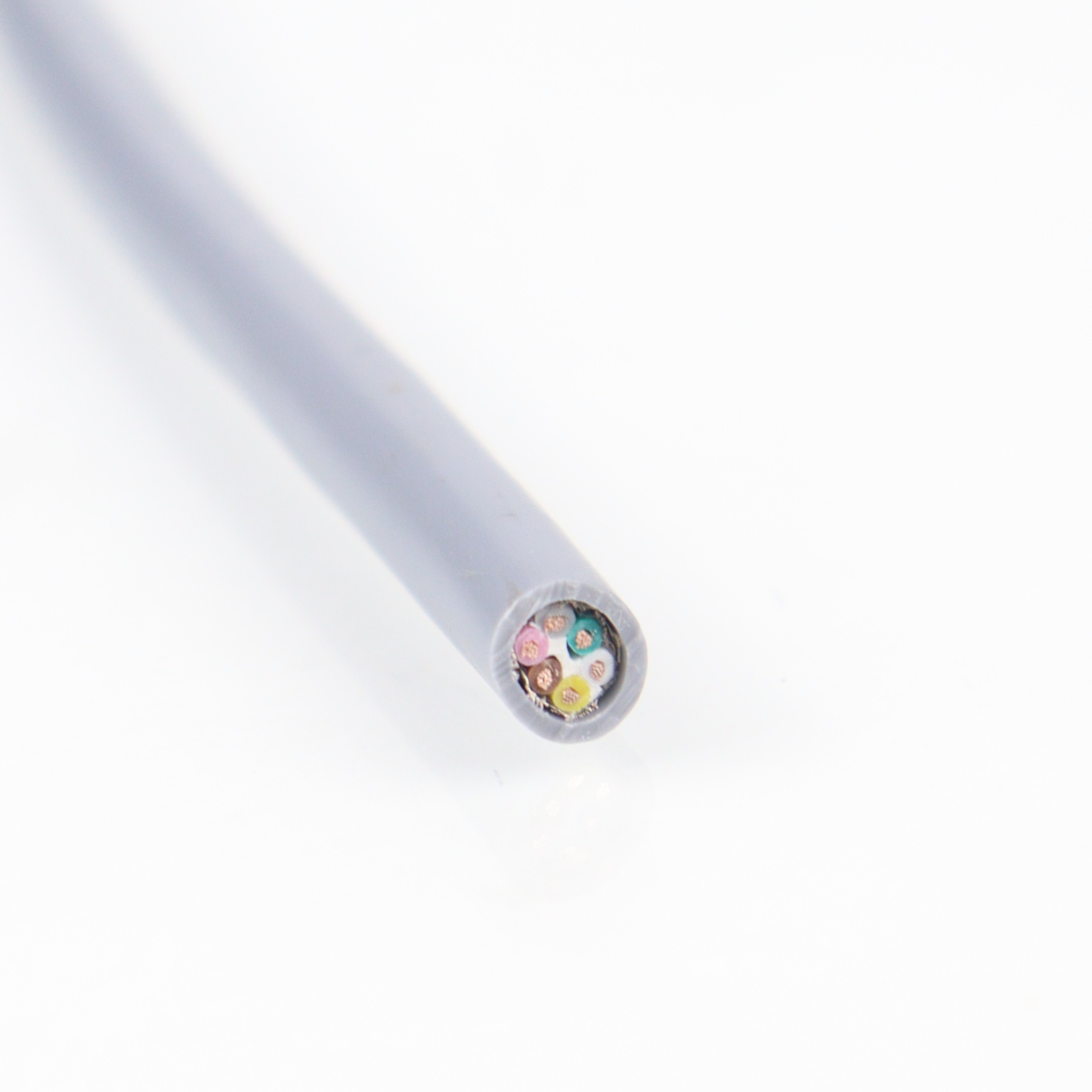
Producing Flat Cable for port crane controls means designing for exposure and repeated movement at the same time. A weather resistant sheath limits the effects of rain, salt spray, sunlight, and grime, while control of mechanical stress helps conductors and insulation withstand ongoing travel. These factors are connected: cable construction must protect electrical function throughout the crane’s working cycle, not merely meet conditions on a stationary reel.
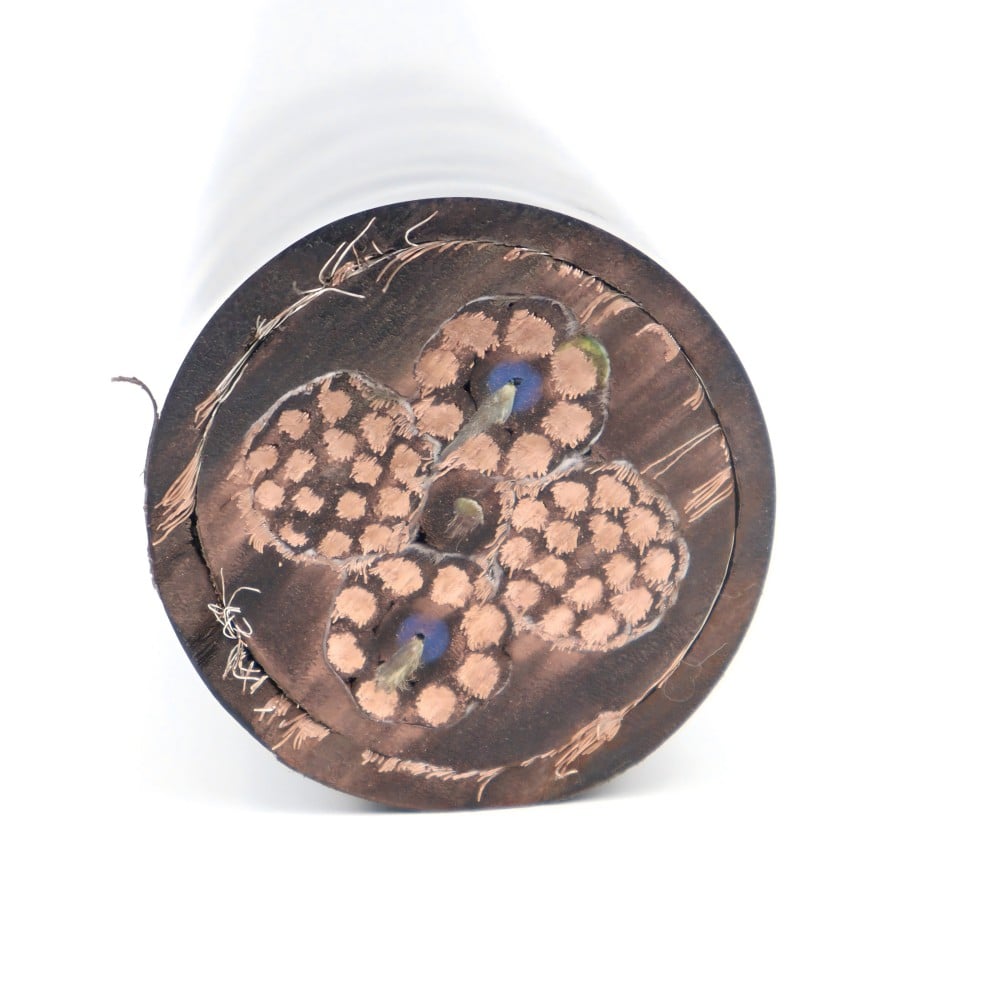
The reason weather resistant sheath and mechanical stress matter is practical: port crane controls depend on signal and power cables that move through demanding outdoor routes. The design must consider how the cable is stored, guided, reeled, and exposed. Flat geometry can suit controlled routing, but a suitable product still depends on the installation, duty cycle, environmental conditions, and the manufacturer’s stated limits.
Environmental exposure makes sheath design essential
Protection against weather and contamination
A weather resistant sheath is the cable’s outer barrier against water, ultraviolet exposure, airborne salt, and industrial dirt. At a port, these conditions can occur together, so specifying protection for one exposure alone may leave a gap. For port crane controls, the selected material and construction should match the actual outdoor environment and any cleaning agents or oils present along the route.
Weather resistant sheath performance is not simply a label to assume from appearance. Buyers should review the product’s stated material, temperature range, and environmental suitability, then confirm that these match the crane location. A weather resistant sheath can help reduce environmental damage, but it cannot compensate for incorrect installation, standing water, sharp edges, or exposure beyond its declared limits.
Maintaining protection during cable movement
Movement puts the outer layer under changing contact and bending conditions. If the cable rubs against a guide or drum flange, a weather resistant sheath may wear locally even when its general material is suitable. Mechanical stress therefore affects how long environmental protection remains effective. Routing checks should identify pinch points, abrasive surfaces, and transitions that could damage the sheath during travel.
In port crane controls, consider weather exposure across the full cable path, not just at the drum or connection point. A covered section may lead into a sunlit, wet, or salt-exposed section as the crane moves. The weather resistant sheath should be appropriate for the harshest relevant part of that route, while mechanical stress assessment should account for contact and flexing along the entire moving span.
Repeated mechanical stress shapes cable life
Understanding forces in reeling and travel
Mechanical stress includes more than a single hard pull. Reeling, bending, acceleration, cable weight, and repeated travel all contribute to the forces experienced in service. In port crane controls, these forces change as the cable pays out and returns. A design review should therefore consider the operating motion and cable management system, rather than treating the cable as a fixed electrical connection.
Flat Cable construction can help organize conductors in installations designed for a defined flat cable path, but geometry alone does not remove mechanical stress. Bend radius, tension, speed, travel length, and drum configuration remain important. The chosen cable should be evaluated against the equipment maker’s limits, with particular attention to the dynamic conditions expected during normal crane operation.
Reducing damage through coordinated installation
Mechanical stress can concentrate at clamps, terminations, guides, or points where a moving section meets a fixed section. If support spacing or alignment is poor, the cable may twist, snag, or bend more sharply than intended. For port crane controls, installation planning should coordinate the cable dimensions with the drum, guides, and available space before commissioning.
The weather resistant sheath and internal construction must work together under movement. A sheath that resists outdoor exposure still needs to tolerate the mechanical stress created by repeated flexing and contact. Inspect the route for friction, edge pressure, and tight turns, then correct those issues rather than expecting a more robust outer layer to solve every mechanical problem.
Matching cable production to crane duty
Defining operating conditions before specification
A useful specification begins with the crane’s real duty: travel distance, movement frequency, operating speed, drum arrangement, load, and exposure. For port crane controls, also identify whether the cable carries power, control signals, or both, since conductor arrangement and electrical requirements differ. These details help a producer assess the weather resistant sheath and mechanical stress requirements as one application.
Provide the cable supplier with route drawings, interface dimensions, ambient conditions, and maintenance expectations. Include the minimum bend radius and the manner in which the cable is supported or reeled. These details allow review of Flat Cable suitability without relying on assumptions about the crane. Where duty conditions are uncertain, clarify them before finalizing the specification or installation plan.
Verifying performance in use
Commissioning should confirm that the cable moves smoothly through its full travel and does not catch, twist, scrape, or exceed its intended bend. Record the installation condition as a reference for future inspections. In port crane controls, routine checks can identify early sheath cuts, unusual wear, loose supports, and changes in reeling behavior before these issues disrupt cable operation.
Inspection findings should lead to corrective action, not simply a record of visible damage. A localized abrasion may point to a guide alignment issue; cracking may warrant review of exposure, material suitability, or service conditions. Mechanical stress and weather resistant sheath condition should be assessed together, because wear can expose the cable to the same environmental hazards the outer layer was selected to resist.
For an application review, Flat Cable options should be considered against documented crane conditions rather than product shape alone. The most useful decision is one supported by route details, environmental exposure, movement demands, and clear installation limits. That process helps teams connect cable production choices with the conditions the cable will actually face.
FAQ
Why does a weather resistant sheath matter on a port crane?
A weather resistant sheath helps protect the cable from outdoor exposure such as moisture, sunlight, and salt-laden air. Its suitability depends on the actual environment and product specifications. Port crane controls also need protection to remain intact during travel, so route friction and mechanical stress must be considered alongside weather resistance.
How can mechanical stress be reduced during installation?
Use the specified bend radius, align drums and guides, prevent snagging, and support the cable as the installation requires. Check the full travel path, not only the fixed connections. For port crane controls, correct routing limits unnecessary mechanical stress and helps prevent premature wear to the sheath and cable structure.
Does flat construction guarantee suitability for crane controls?
No. Flat construction may suit a particular routing arrangement, but it does not by itself establish environmental or dynamic suitability. Confirm the cable’s ratings, dimensions, and operating limits against the crane duty. Evaluate weather resistant sheath requirements and mechanical stress together before approving a product for port crane controls.

 EN