In an electric vehicle, cable performance depends on more than conductor size. An orange jacket makes high-voltage routing easier to identify, while high temperature resistance helps the insulation tolerate heat near power electronics and other components. Within electric drive systems, these features support safer installation and reliable operation, but only when matched to the cable’s electrical, mechanical, and environmental duties.
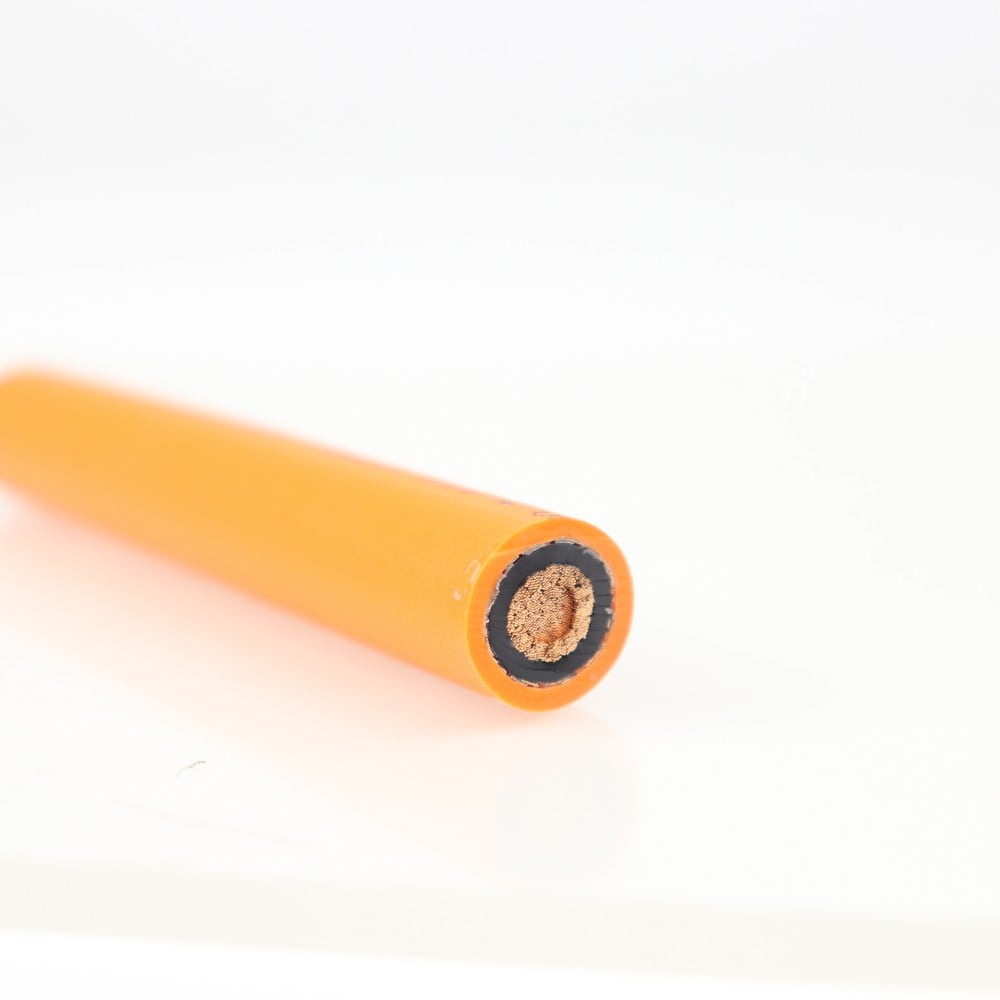
Their influence is practical rather than cosmetic. The color provides a recognizable visual cue for high-voltage circuits, and thermal capability helps preserve insulation properties as operating conditions change. In electric drive systems, engineers should assess the orange jacket and high temperature resistance alongside voltage rating, current load, bend radius, abrasion exposure, and routing. This integrated review shows whether an EV cable suits its intended installation.
How the Orange Jacket Supports Identification
Visibility during installation and service
The orange jacket is a visual identifier for high-voltage wiring, helping technicians distinguish those routes from lower-voltage circuits during assembly, inspection, and maintenance. In electric drive systems, that recognition can make work instructions easier to follow and reduce the chance of confusing adjacent cable paths. Color alone is not proof of electrical status, however; labels, diagrams, isolation procedures, and approved safety practices remain essential.
For an EV cable, consistent orange jacket visibility depends on the finished route, not just the cable specification. Clips, covers, connector boots, and protective sleeves can conceal sections, so design reviews should confirm that identification remains useful at service access points. Electric drive systems may place wiring in narrow spaces, making contrast and clear documentation especially important. A visible jacket supports identification, while established procedures govern safe handling.
Color durability in the installed environment
An orange jacket must retain useful color through the conditions expected along its route. Heat, fluids, abrasion, and cleaning processes can affect the surface, so the material and protection should fit the application. In electric drive systems, technicians may inspect exposed sections after service or component replacement. High temperature resistance addresses thermal exposure, but it does not automatically establish resistance to oils, chemicals, or wear.
Specify the orange jacket with attention to its complete environment, including contact with brackets, housings, and nearby components. The cable’s documented limits should be compared with actual installation conditions rather than assumed from color or appearance. For electric drive systems, routing checks can identify points where chafing or trapped heat could compromise the covering. High temperature resistance is one relevant property, while mechanical protection and inspection access need separate consideration.
How High Temperature Resistance Affects Operation
Managing heat around power components
High temperature resistance matters because conductors and insulation experience heat from current flow and surrounding equipment. If the expected thermal exposure exceeds a cable’s permitted range, insulation can age faster or lose properties needed for electrical separation. In electric drive systems, engineers should consider operating load, ambient temperature, nearby heat sources, and cooling conditions together. An orange jacket helps identify the route, but color does not indicate temperature capability.
Temperature ratings require context: a material limit is not a promise that every installation can operate continuously at that value. Engineers should check the product documentation, installation method, and applicable system requirements. In electric drive systems, bundled conductors, restricted airflow, or proximity to warm components can change the thermal picture. High temperature resistance should therefore be assessed against the real duty cycle, with the orange jacket also checked for compatible environmental performance.
Protecting insulation and electrical function
The insulation system separates the conductor from other circuits and conductive structures. Repeated or excessive heat can accelerate material aging, so choosing high temperature resistance appropriate to the application helps support insulation integrity over service life. An orange jacket provides visible identification, but should not be treated as a substitute for dielectric requirements. In electric drive systems, verify voltage class, conductor construction, and the cable’s documented temperature limits as one design decision.
Current capacity also interacts with heat. Conductor size, load profile, installation spacing, and cooling influence temperature rise, so increasing a cable’s thermal rating alone may not resolve an undersized or poorly routed circuit. For electric drive systems, evaluate the cable under expected continuous and transient conditions. Confirm that high temperature resistance aligns with the full assembly, and preserve orange jacket visibility where inspection and service procedures rely on it.
Applying Both Features to Cable Selection
Match specifications to route and duty
Start with the system requirements: voltage, current, conductor path, bend constraints, and exposure to heat or fluids. Then confirm that high temperature resistance, insulation construction, and jacket material match those conditions. In electric drive systems, the orange jacket should remain identifiable after installation without forcing an unsafe or excessively tight route. A suitable EV cable is one whose documented limits fit the application, not simply one that looks appropriate.
Review connector interfaces and nearby components as part of the route assessment. A cable may meet a stated thermal range yet still be unsuitable if its bend radius, abrasion protection, or termination arrangement conflicts with the installation. In electric drive systems, check how the orange jacket passes through clips and protective conduits, and whether heat accumulates at enclosed sections. High temperature resistance should be confirmed for the cable construction and operating conditions specified.
Verify installation and maintenance conditions
After installation, inspect routing for contact with sharp edges, movement, excessive tension, and hidden hot spots. Confirm that labels and diagrams correspond to the actual path, and that the orange jacket remains visible where service personnel need identification. Electric drive systems can be compact, so any change to a bracket or cover may alter clearance or airflow. High temperature resistance does not remove the need for periodic checks under the maintenance plan.
When evaluating a proposed change, compare the new load and route with the original design basis. Added equipment, altered cooling, or a different duty cycle may affect conductor heating and insulation exposure. In electric drive systems, retain records for cable rating, routing, and inspection so maintenance teams can understand the rationale. Reconfirm high temperature resistance against the revised conditions and ensure orange jacket identification stays consistent with the system documentation.
FAQ
Does an orange jacket improve electrical performance?
The orange jacket primarily supports visual identification; it does not by itself increase current capacity or voltage capability. For electric drive systems, select cable by documented electrical and environmental ratings. Check high temperature resistance for the route, and confirm that the jacket remains visible and durable under expected exposure.
Does high temperature resistance mean the cable can run at its maximum rating continuously?
Not necessarily. A temperature rating must be interpreted with the manufacturer’s documentation, installation conditions, and system requirements. In electric drive systems, consider load, ambient heat, bundling, and cooling. The orange jacket does not define the thermal limit, and high temperature resistance should be verified for the complete cable construction.
What should engineers check before specifying an EV cable?
Confirm voltage and current needs, conductor and insulation details, bend radius, route protection, and environmental exposure. For electric drive systems, also verify high temperature resistance against expected duty and ensure orange jacket identification works in the finished installation. Use approved drawings and service procedures to support installation and inspection.

 EN







