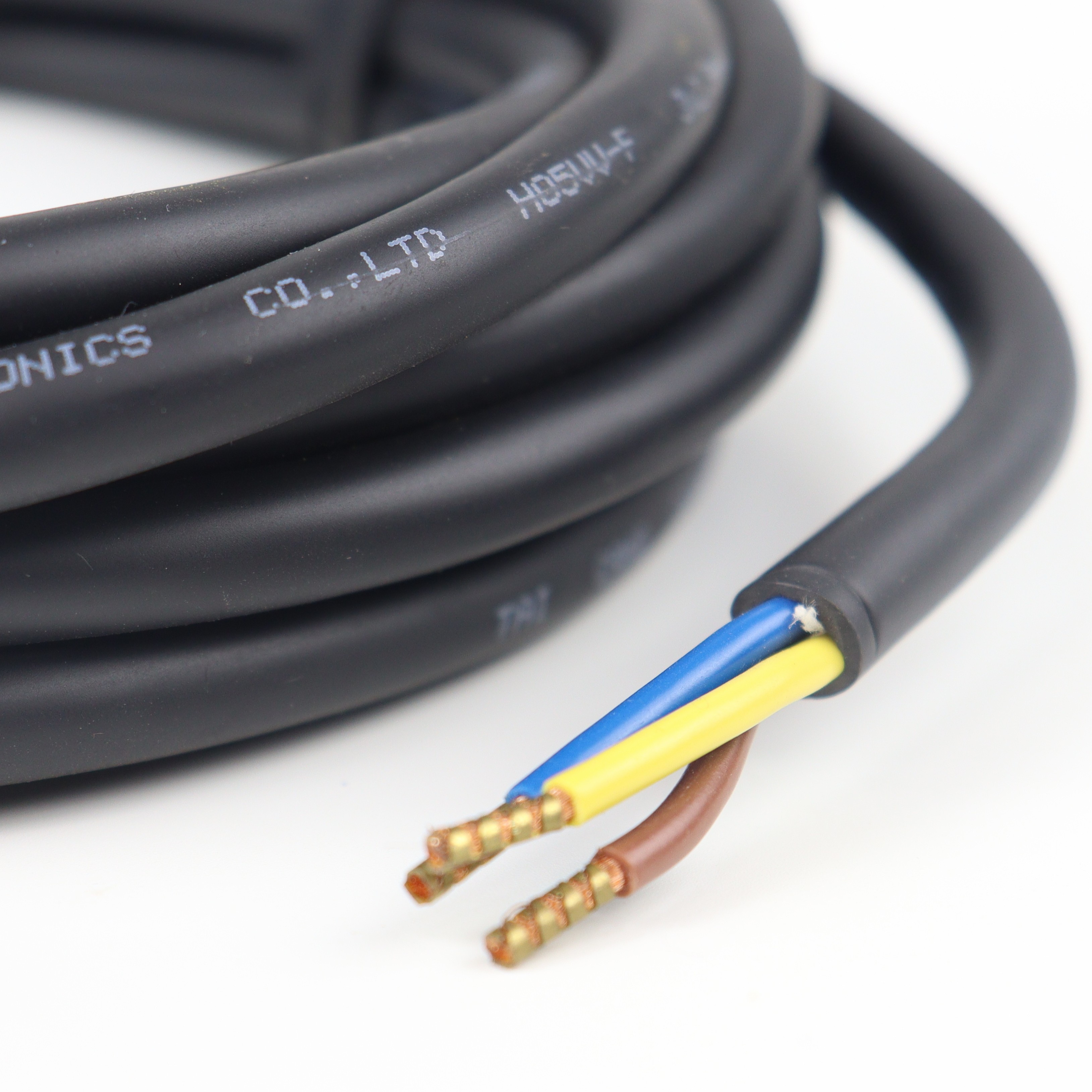
Planning Fiber Optic Cable for aircraft cabin entertainment means balancing data needs with the limited space, weight budget, and access available inside an aircraft. Lightweight optical wiring can support a design with fewer heavy cable runs, but it does not remove installation constraints. Airframe routing limits determine where a route can pass and how it must be protected, so planning has to begin with the aircraft layout.
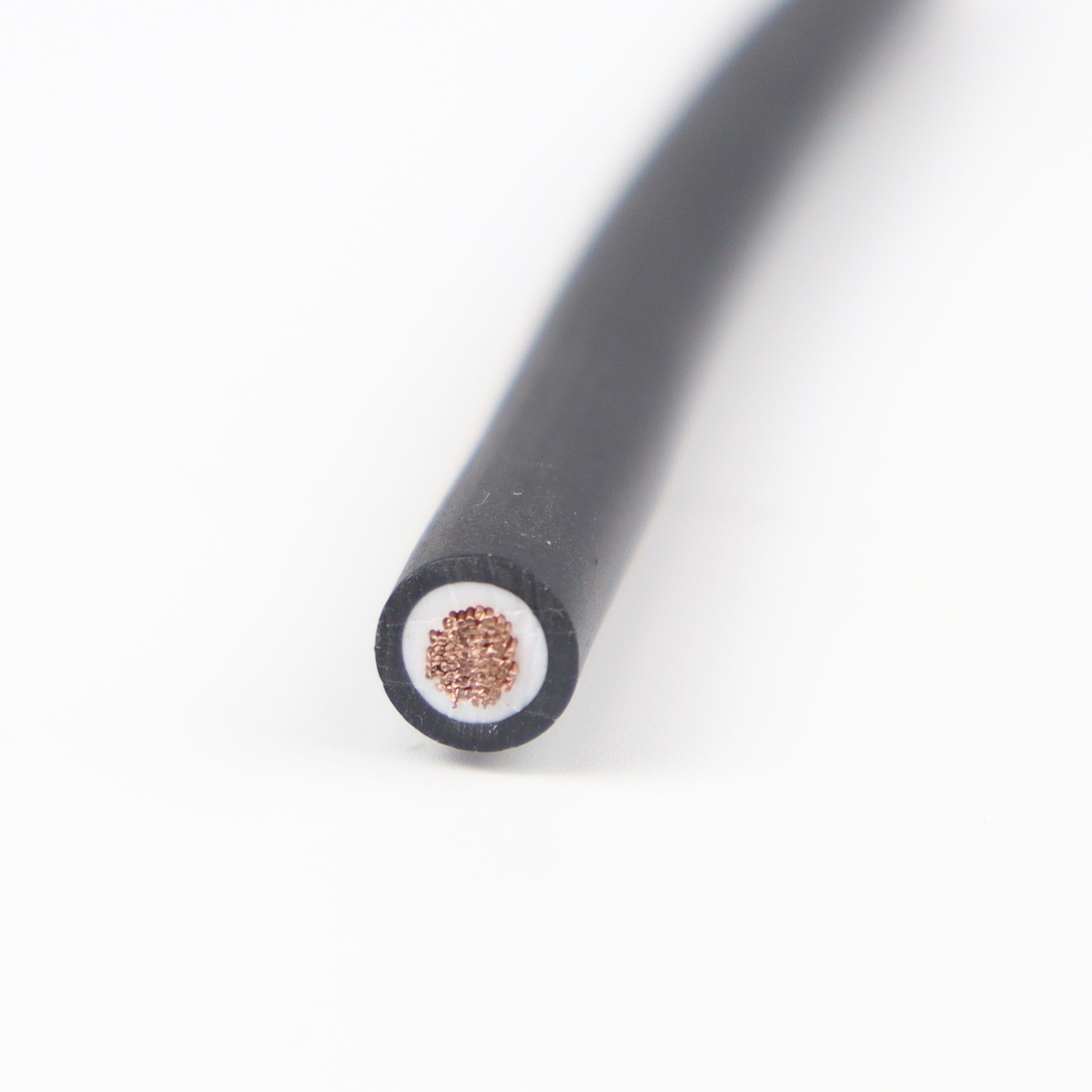
The practical task is to turn system architecture into a route that can be installed, inspected, and maintained. Teams should assess lightweight optical wiring alongside connector locations, bend requirements, and aircraft cabin entertainment equipment placement. Airframe routing limits are not a late-stage detail: they affect cable length, termination points, installation sequence, and whether the proposed path remains accessible after interior panels are fitted.
Translate Cabin System Needs Into a Route
Map equipment locations before cable lengths
Begin with the equipment architecture, not a guessed cable length. Identify the entertainment servers, network interfaces, distribution points, and cabin zones that need connectivity. For aircraft cabin entertainment, this map clarifies which links carry data between major units and which branches serve local equipment. It also helps engineers assess lightweight optical wiring without overlooking the physical route between endpoints.
Next, overlay the proposed endpoints on current cabin and airframe drawings. Airframe routing limits may prevent a direct line between two units, even when the equipment positions appear close on a schematic. Account for structural members, existing systems, access panels, and interior features. This early check makes Fiber Optic Cable length estimates more realistic and exposes route conflicts before installation planning is fixed.
Account for likely cabin configuration changes as well as the initial layout. Aircraft cabin entertainment equipment may be repositioned during a refurbishment, or a service unit may need a different interface. A route that leaves sensible allowance at termination points can accommodate planned maintenance without excessive slack. Lightweight optical wiring still needs a clearly defined path and approved restraint points.
Separate functional needs from physical assumptions
A functional diagram describes what must communicate; it does not prove that a physical route is usable. Engineers should record the intended endpoints, required connection type, and any separation or protection conditions for each run. Airframe routing limits and lightweight optical wiring considerations belong in the same review, because cable selection cannot compensate for an inaccessible or incompatible path.
For each segment, confirm whether the route crosses a cabin zone, passes through a partition, or approaches a service area. Aircraft cabin entertainment can involve many interfaces, so consistent endpoint labels reduce confusion during design reviews and installation. Include Fiber Optic Cable slack only where the route and maintenance plan justify it, rather than treating extra length as a universal safeguard.
Resolve drawing discrepancies before choosing final lengths. An apparent gap between panels may conceal a structural feature, and a cabin layout revision can shift a termination point. Lightweight optical wiring planning should therefore use controlled, current drawings and recorded assumptions. If airframe routing limits remain uncertain, flag the segment for engineering review instead of embedding an unverified route in the bill of materials.
Check Routing Constraints and Cable Handling
Validate clearances, bends, and protection
A proposed path must fit the actual available envelope. Review clearances around structure, installed equipment, access openings, and other systems, then confirm that the route can be secured without interfering with adjacent components. Airframe routing limits can require a longer path or a different transition point. Those changes affect cable length and the work needed to install aircraft cabin entertainment links.
Optical cable handling deserves explicit attention during routing. Confirm the selected cable's permitted bend conditions and handling instructions with its documentation, and avoid sharp turns, crushing, or tension during pull-in. Lightweight optical wiring may simplify weight planning, but it remains sensitive to poor handling. Define how the Fiber Optic Cable is supported and protected wherever it passes through a constrained area.
Review transitions between hidden runs and accessible equipment carefully. A route may need protective features at an opening or a controlled approach to a connector, depending on the installation design. Airframe routing limits should be checked at those interfaces, not only along the cable's central path. This detail supports repeatable installation and helps prevent avoidable strain during aircraft cabin entertainment maintenance.
Coordinate with aircraft zones and installation sequence
Routing decisions should reflect the installation sequence. Determine which panels, liners, or furnishings must be removed to place and secure each run, and whether the route remains reachable for inspection afterward. Lightweight optical wiring can be straightforward to position, yet inaccessible tie points can add labor and complicate rework. Build access needs into the route review before cabin closure.
Coordinate the route with neighboring systems and the responsible engineering teams. Airframe routing limits may be shaped by approved pathways, separation needs, or existing installations that are not obvious from a cabin plan alone. For aircraft cabin entertainment, shared reviews help expose conflicts before cable procurement. Keep each agreed route tied to a drawing revision and a defined installation condition.
When a direct route is blocked, compare viable alternatives by more than distance. A longer path may offer better access or simpler installation, while a shorter path may cross a congested area. Document the trade-off, including the impact on Fiber Optic Cable length, support points, and maintenance access. This makes the selected route explainable and easier to verify during later changes.
Finalize the Plan for Installation and Maintenance
Make design assumptions verifiable
A useful cable plan records endpoints, route references, estimated lengths, connector interfaces, and handling requirements. It should also identify assumptions awaiting confirmation, such as a clearance or access condition. Lightweight optical wiring benefits from this discipline because lower mass does not eliminate the need for controlled installation. For aircraft cabin entertainment, traceable route information helps connect system design to physical work.
Use a route review to confirm that drawings match the intended aircraft configuration and that proposed penetrations or transitions have been assessed by the appropriate engineering authority. Airframe routing limits can change when configuration details change, so avoid relying on outdated plans. Mark unresolved questions clearly, assign ownership, and close them before releasing final cable lengths or installation instructions.
Planning should also cover inspection and repair. Identify where a technician can reach connectors, observe supports, and access relevant panels without unnecessary disturbance to adjacent equipment. Aircraft cabin entertainment systems need routes that remain understandable after installation, not just paths that fit during assembly. Include labeling and documentation expectations so a future team can identify each Fiber Optic Cable run.
Control revisions through the project lifecycle
Cabin projects evolve, so route changes need controlled review. A revised seat layout or equipment location can affect cable length, access, and neighboring installations. Recheck lightweight optical wiring assumptions whenever endpoints move, and compare the change against airframe routing limits. This prevents a seemingly small design update from creating an unplanned installation obstacle.
Keep the final route package practical for installers. Include clear endpoint names, drawing references, and notes on handling or protection, while avoiding ambiguous instructions such as route as convenient. Airframe routing limits and verified clearances should be evident from the approved information. For aircraft cabin entertainment, this clarity reduces interpretation differences between design, installation, and maintenance teams.
The plan is ready when the route is technically reviewed, measurable, installable, and maintainable in the intended configuration. Confirm cable and connector compatibility through project documentation, then reconcile planned lengths with the physical path. Lightweight optical wiring contributes to an informed weight decision; airframe routing limits determine what can be installed. Together, those checks make Fiber Optic Cable planning specific to the aircraft and its cabin system.
FAQ
Why do airframe routing limits affect cable length?
The allowed path may need to go around structure, equipment, or restricted areas rather than follow a straight line. That changes the measured run and may affect access and support locations. Airframe routing limits should be validated against current configuration drawings before cable lengths are finalized. Reviewing airframe routing limits early also helps identify where field confirmation is needed.
Does lightweight optical wiring remove installation constraints?
No. Lightweight optical wiring can inform weight planning, but teams still need to check handling requirements, route clearance, support, and service access. Lightweight optical wiring must be installed according to the cable documentation and approved aircraft design. Weight is one planning factor, not a substitute for a valid route.
When should aircraft cabin entertainment routes be reviewed?
Review the route while equipment locations and cabin drawings are being developed, then revisit it when the aircraft configuration or endpoints change. Aircraft cabin entertainment planning benefits from early coordination with installation and maintenance teams. A final check against the approved layout helps confirm that the route and its access assumptions still apply.

 EN