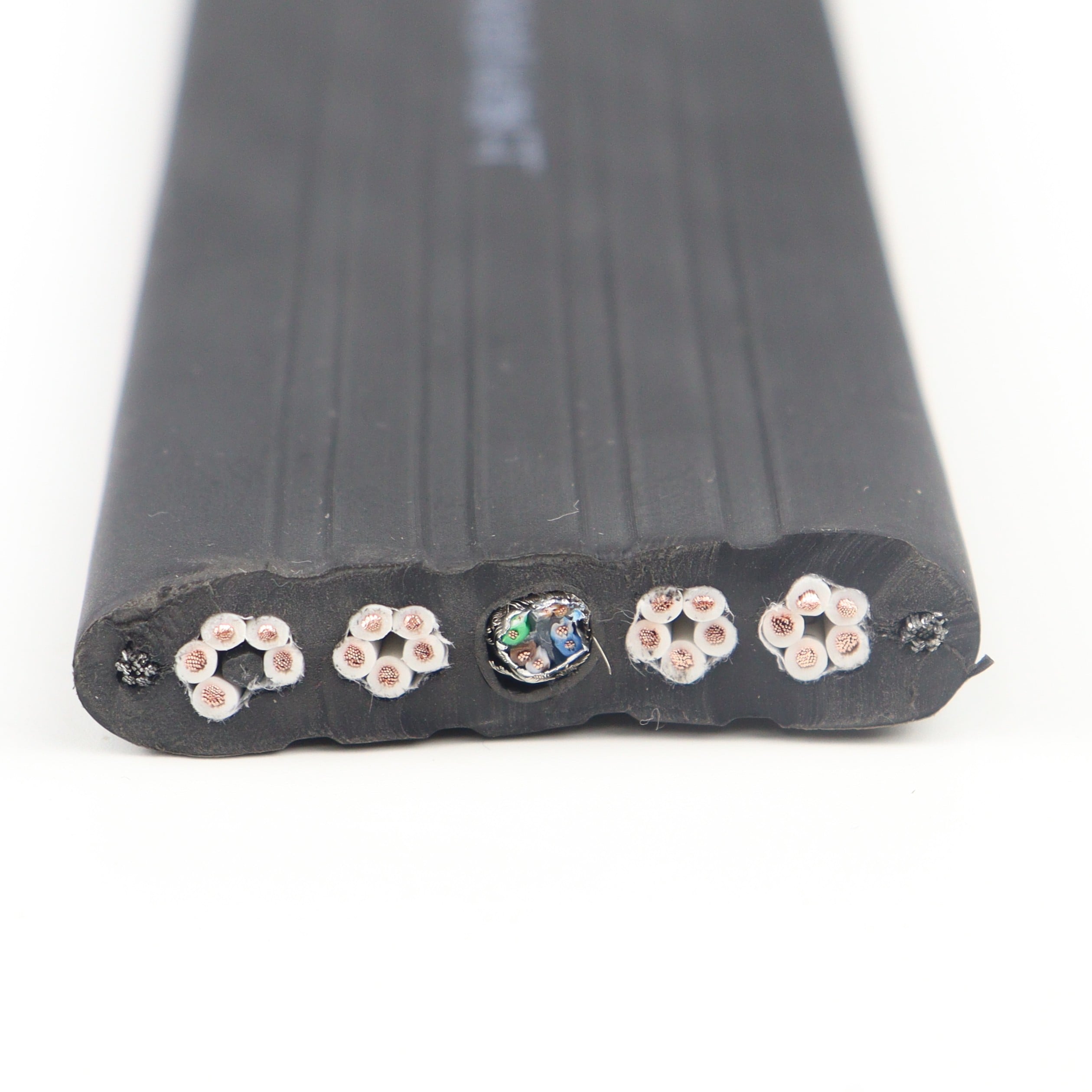
When cable planning starts late, a design can look complete on paper but become difficult to build and maintain. In custom machine assemblies, overlooking core count can leave signals without a path, while space limitations can force tight bends, crowded routing, or unplanned hardware changes. These issues affect commissioning and service, not just the cable specification.
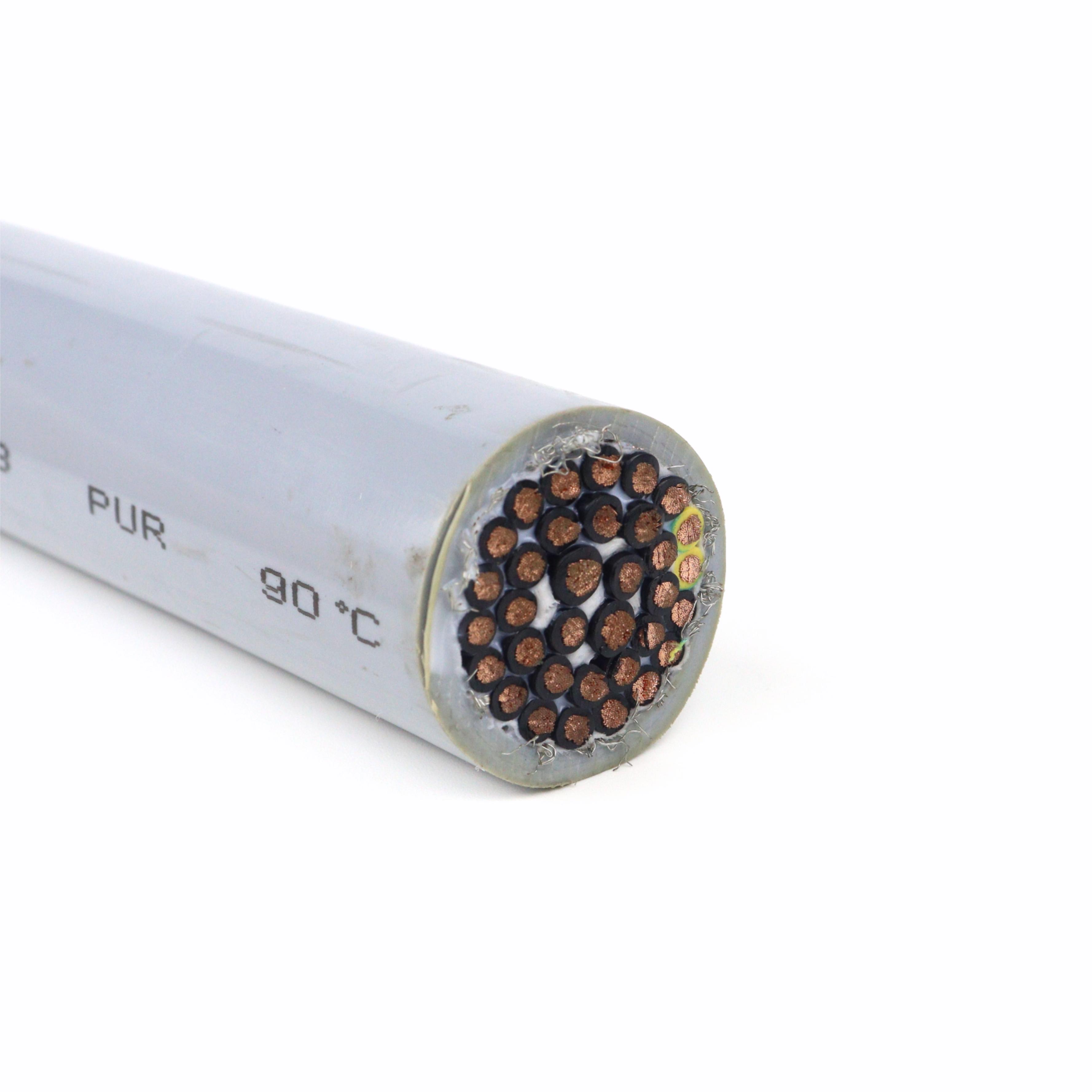
The practical risk is a mismatch between electrical needs and the physical route available in the machine. Selecting Flexible Cable requires more than choosing a jacket and conductor size: teams must verify core count, installation conditions, and space limitations together before drawings are frozen.
Electrical and Assembly Problems from Early Oversights
Missing cores create late wiring changes
A cable with too few conductors may not support every sensor, actuator, interlock, or control signal in the design. In custom machine assemblies, an underestimated core count can trigger extra cable runs, terminal additions, or changes to the control cabinet. Those revisions consume engineering and build time, especially when wiring diagrams and purchased components are already approved.
Adding conductors later is not always a simple substitution. The replacement cable may have a larger outside diameter, different termination needs, or different electrical characteristics, and space limitations may prevent it from following the original route. A careful signal schedule should distinguish required conductors from spares, identify shared returns where appropriate, and confirm the selected cable suits the circuit design.
Overcrowding complicates assembly and service
Too many separate cables can crowd a moving axis, drag chain, or cabinet entry. In custom machine assemblies, this congestion makes routing less predictable and can obstruct access to connectors or nearby components. Core count planning helps consolidate compatible circuits where design rules allow, but a high conductor count also increases cable size, so the complete assembly needs review.
The aim is not to maximize cores or minimize cables at any cost. Review signal grouping, separation requirements, termination practices, and future service needs as one decision. If space limitations are severe, confirm that the chosen cable fits glands, guides, and connectors without compromising the intended bend path or making field replacement impractical.
Mechanical Risks When Space Is Underestimated
Tight routes can strain the cable
A route that appears open in a layout may narrow around a hinge, slide, or machine guard once components are installed. In custom machine assemblies, space limitations can push cable into sharp turns, pinch points, or contact with moving parts. Check the actual route through the full motion envelope, not only the static assembly view.
Cable bend requirements depend on construction and whether the cable is fixed or repeatedly flexed. Treat the specified minimum bend radius as a design constraint, then add room for clamps, connectors, and movement rather than using the theoretical boundary as a target. Core count matters because additional conductors can increase diameter and make a tight route harder to accommodate.
Movement exposes poor routing decisions
A cable may pass an initial fit check yet fail to move freely through repeated machine cycles if its length, support, or path is poorly planned. Custom machine assemblies should be assessed at travel limits and intermediate positions. This reveals rubbing, twisting, snagging, or tension that a stationary inspection can miss, while space limitations often determine whether a smooth loop is possible.
Document the route, anchor locations, and expected motion so assembly technicians can reproduce the intended installation. Avoid routing that relies on a cover, neighboring wire, or movable component to hold the cable in place. Verify core count against the final connection schedule before cutting lengths, since a late cable change can disturb a route that has already been validated.
Controls for Better Specification and Commissioning
Coordinate electrical and mechanical reviews
A short joint review can catch conflicts before procurement: controls engineers confirm signals and spare capacity, while mechanical designers verify pathways, clearances, and movement. For custom machine assemblies, this review should compare the cable schedule with the latest layout. Resolve core count and space limitations together, because a change in one can alter the other.
Record the application conditions that influence selection, including fixed or flexing service, travel, temperature exposure, routing environment, and termination method. Then check the cable data against those conditions rather than assuming a general-purpose specification will suit every axis. Space limitations should be measured at connectors and transitions too, where the cable may need more clearance than the straight run.
Validate the installed route before release
Before production release, inspect a representative build or detailed assembly model for installation access, bend path, separation, and serviceability. Confirm each required circuit has an assigned conductor and that the planned core count matches the wiring documents. This step can expose clashes in custom machine assemblies while changes are still manageable.
During commissioning, move the machine through its intended range and observe the cable under realistic conditions. Look for tension, abrasion, interference, and restricted access at service points. If space limitations force a revised route, update drawings and work instructions, then recheck motion and connections instead of treating the adjustment as an undocumented exception.
FAQ
What is the first sign that the cable plan is incomplete?
A mismatch between the wiring schedule and the installed conductors is a clear warning. In custom machine assemblies, compare every circuit against the selected core count before assembly starts, and check whether space limitations make additional runs or a larger replacement difficult to install.
Can spare conductors prevent later redesign?
A suitable reserve can support planned changes, but spare cores do not solve every capacity problem. Confirm that the spare conductors are appropriate for the intended circuits and that the cable remains physically suitable. Consider core count alongside connector capacity and space limitations in the complete assembly.
When should the route be checked for moving equipment?
Check it during design and again on a representative build, with the mechanism moving through its full operating range. Custom machine assemblies can reveal interference only in motion, and space limitations may change the route. Reconfirm core count and wiring after any revision that affects cable selection.

 EN