Routing welding leads across an active shop floor creates a practical safety challenge: people, carts, and equipment repeatedly cross the same paths. Floor cable ramps help by covering exposed cable and presenting a gradual, visible crossing point. Used as part of workshop lead routing, they can reduce snag hazards without requiring every task to stop while a lead is moved.
The benefit depends on placement, fit, and upkeep, not simply on putting a cover over a cable. A ramp must suit the cable bundle and the route, remain stable under expected traffic, and leave the lead free from sharp bends or crushing. Thoughtful workshop lead routing and regular checks help floor cable ramps address snag hazards while preserving access to work areas.
How a ramp changes the crossing hazard
Covering exposed cable and smoothing the path
An uncovered lead can catch a boot toe, wheel, pallet edge, or dragged tool. Floor cable ramps create a sloped transition over the route, so foot traffic and wheeled loads encounter a more predictable surface instead of a loose loop. For workshop lead routing, that barrier can reduce snag hazards caused by a cable lying directly across a walking or transport lane.
A ramp also makes the crossing easier to notice when its profile and position are visible from the approach. This does not remove the need for workers to watch their footing, but it replaces a low, hard-to-see line with a defined feature. When floor cable ramps are placed consistently, workshop lead routing becomes easier to understand and snag hazards are less likely to arise from surprise contact.
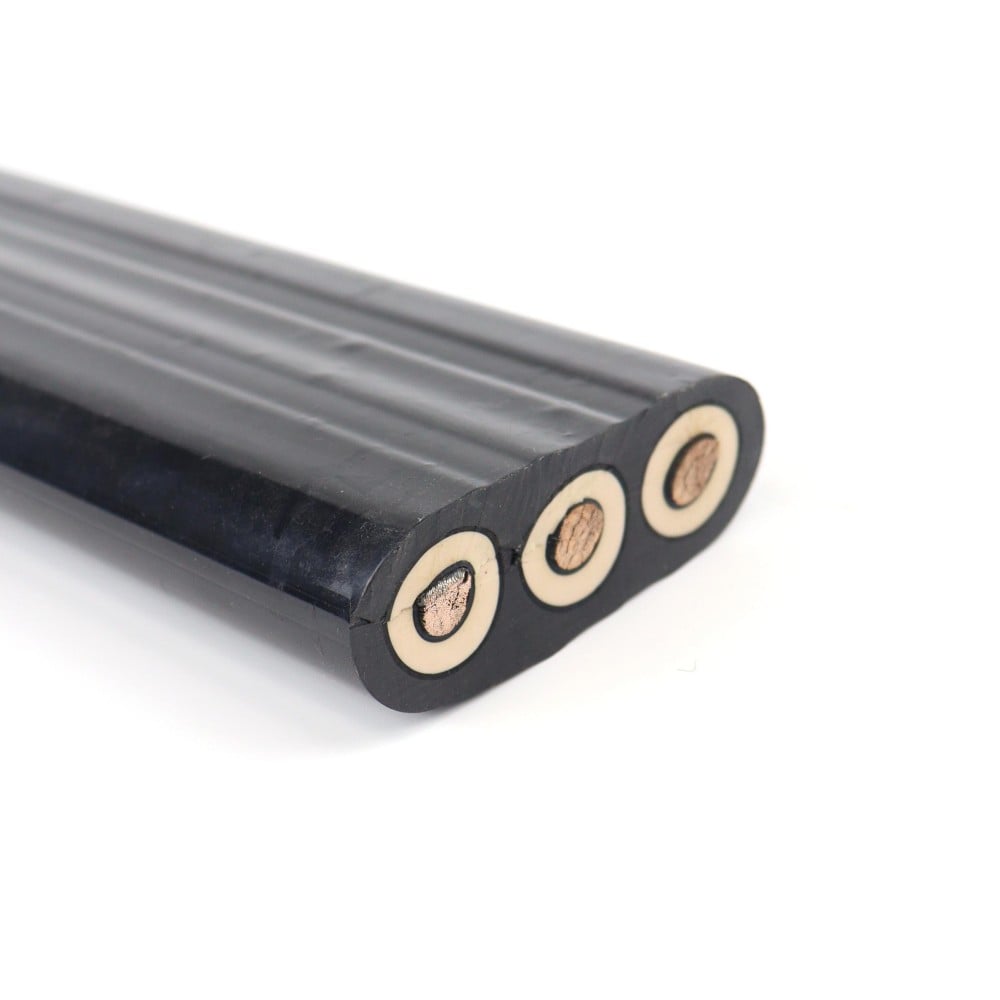
The cover must accommodate the actual lead arrangement rather than forcing it into a narrow channel. Welding Cable can vary in diameter and may be routed beside other temporary services, so confirm the available channel space before use. Properly sized floor cable ramps avoid pinching, while a planned route reduces snag hazards created when leads spill beyond the protected crossing.
Separating the cable from traffic and sharp contact
A ramp offers a physical boundary between a cable and routine floor movement. It can limit direct contact from shoes and wheels, especially at a deliberate crossing point where operators might otherwise step on a lead. In workshop lead routing, this separation helps control snag hazards, but it cannot protect cable that exits the ramp and wanders into the same traffic lane.
Think through what passes over the route, including carts, material handling equipment, and welding gear. Select floor cable ramps whose construction and stated load suitability match that traffic; do not assume every cover is designed for every vehicle. This check keeps workshop lead routing realistic and helps prevent snag hazards from being replaced by a crushed lead or a displaced cover.
Planning a safer workshop lead route
Choose crossings before placing the cover
Start by tracing the lead from the power source to the work position and noting pedestrian aisles, doorways, turning areas, and machine approaches. Where possible, keep the route alongside a wall or workstation and cross traffic only at a necessary, visible point. This workshop lead routing plan gives floor cable ramps a clear purpose and reduces snag hazards along the rest of the cable path.
Keep the path as short and direct as practical, while leaving enough slack for normal movement at the work end. Avoid tight turns around corners, pinch points beneath doors, and routes that interfere with emergency access. A ramp cannot correct a poor route; combining careful workshop lead routing with floor cable ramps helps reduce snag hazards and prevents unnecessary exposure.
Mark the intended crossing and check whether a ramp can sit flat on the floor without rocking or creating an awkward approach. Keep joins aligned and avoid gaps where a small wheel or boot could catch. In this way, workshop lead routing becomes a planned control rather than an improvised cable trail, and floor cable ramps address snag hazards at the point where traffic intersects the lead.
Match ramp capacity to the cable and work conditions
Confirm that the ramp channel fits the cable without compression and that the cover is suitable for the expected foot or vehicle traffic. Consider the floor surface, dust, moisture, and frequency of relocation because each can affect stability or visibility. These checks make floor cable ramps a better fit for workshop lead routing and help limit snag hazards without overstating what a cover can do.
For welding work, protect the lead from heat, sparks, and contact with sharp stock as well as from passing traffic. Position the route away from hot work whenever feasible, and use appropriate site controls where separation is not possible. Workshop lead routing should account for the whole job, since floor cable ramps reduce snag hazards but are not a substitute for assessing heat exposure or cable condition.
If several leads share a crossing, check each one for fit and separation rather than stacking them into a crowded channel. Keep connectors and joints outside areas where the cover may press on them. A careful review of workshop lead routing helps ensure floor cable ramps protect the intended cable path, while reducing snag hazards that can develop when excess lead is left loose beside the cover.
Using and maintaining ramps during welding work
Install, inspect, and adjust as the job changes
Before work begins, lay out the cable without twists, seat it within the ramp, and verify that the cover closes as intended. Walk the crossing and check for movement, raised edges, or an obstructed passage. This simple setup check links workshop lead routing to floor cable ramps in a practical way and catches snag hazards before routine traffic builds around the work area.
Inspect the crossing during the shift, especially after moving equipment, changing the work position, or adding another lead. A ramp that has slid or opened can create a new trip or snag point. Restore the route before the area becomes busy; regular checks keep floor cable ramps aligned with workshop lead routing and help identify snag hazards early.
When the task moves, reassess rather than pulling the cable through a loaded or busy crossing. Isolate or pause the work as site procedures require, then reposition the lead and cover together. This avoids dragging a cable against an edge and keeps workshop lead routing intentional. Floor cable ramps are most useful when changes are controlled, not when they conceal an unmanaged route or recurring snag hazards.
Know the limits and keep the route visible
A ramp reduces exposure at one crossing; it does not make the entire floor route safe by itself. Keep the remaining lead away from walkways, sharp edges, moving machinery, and standing water, and follow workplace electrical and welding procedures. Clear workshop lead routing around the protected section helps floor cable ramps reduce snag hazards without creating false confidence.
Remove damaged, unstable, or poorly fitting covers from service until they can be assessed. Also examine the cable for cuts, flattened sections, damaged insulation, or signs of overheating, and follow the site's inspection process. Combining cable checks with workshop lead routing reviews ensures floor cable ramps do not hide developing problems or allow snag hazards to persist unnoticed.
The best result is a route workers can see, understand, and keep clear as operations change. Brief the crew on the crossing location and ask them to report movement or damage rather than stepping over a displaced cover. This shared practice supports workshop lead routing, keeps floor cable ramps effective at the intended crossing, and reduces snag hazards as the workshop layout and workload evolve.
FAQ
Can floor cable ramps prevent every cable snag?
No. Floor cable ramps protect a selected crossing, but exposed sections can still catch on feet, wheels, or equipment. Keep workshop lead routing controlled beyond the cover and inspect the full path to find snag hazards that a ramp cannot address.
How should a ramp fit a welding lead?
Choose a channel that accommodates the lead without squeezing it, and verify the cover is suitable for the traffic and floor conditions. Floor cable ramps should sit securely, while the cable remains free of sharp bends and damaging pressure.
When should the route be checked again?
Review workshop lead routing whenever equipment or the work position changes, and inspect the crossing during the shift. If a cover moves or damage appears, correct the condition promptly so snag hazards do not return unnoticed.

 EN