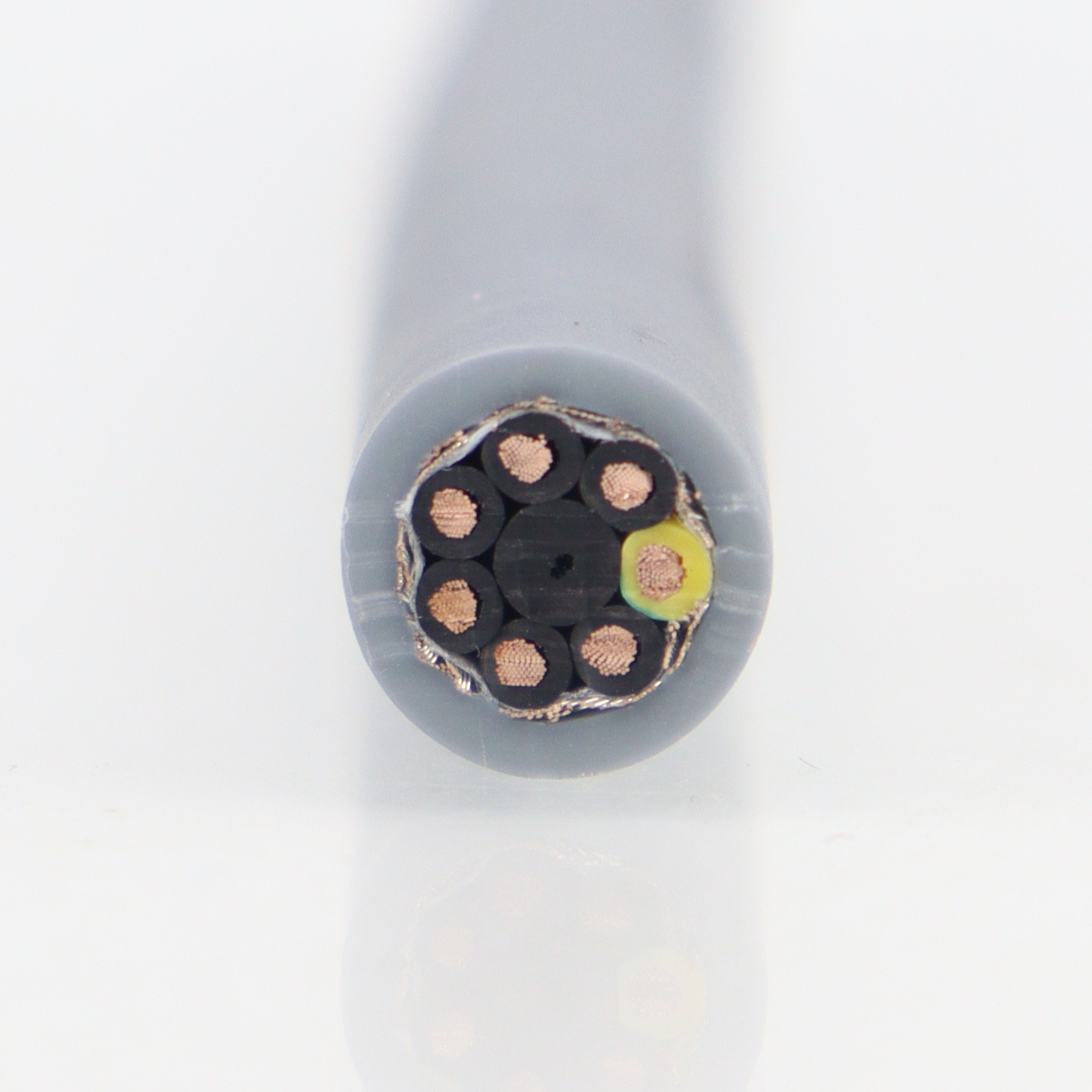
Routing Fiber Optic Cable for industrial control links requires more than finding a path between devices. Cable geometry and repeated movement can affect signal continuity, installation life, and maintenance access. A tight bend radius may stress the optical core or surrounding construction, while motion fatigue risk grows where the cable flexes repeatedly. Planning around both helps prevent avoidable routing problems.
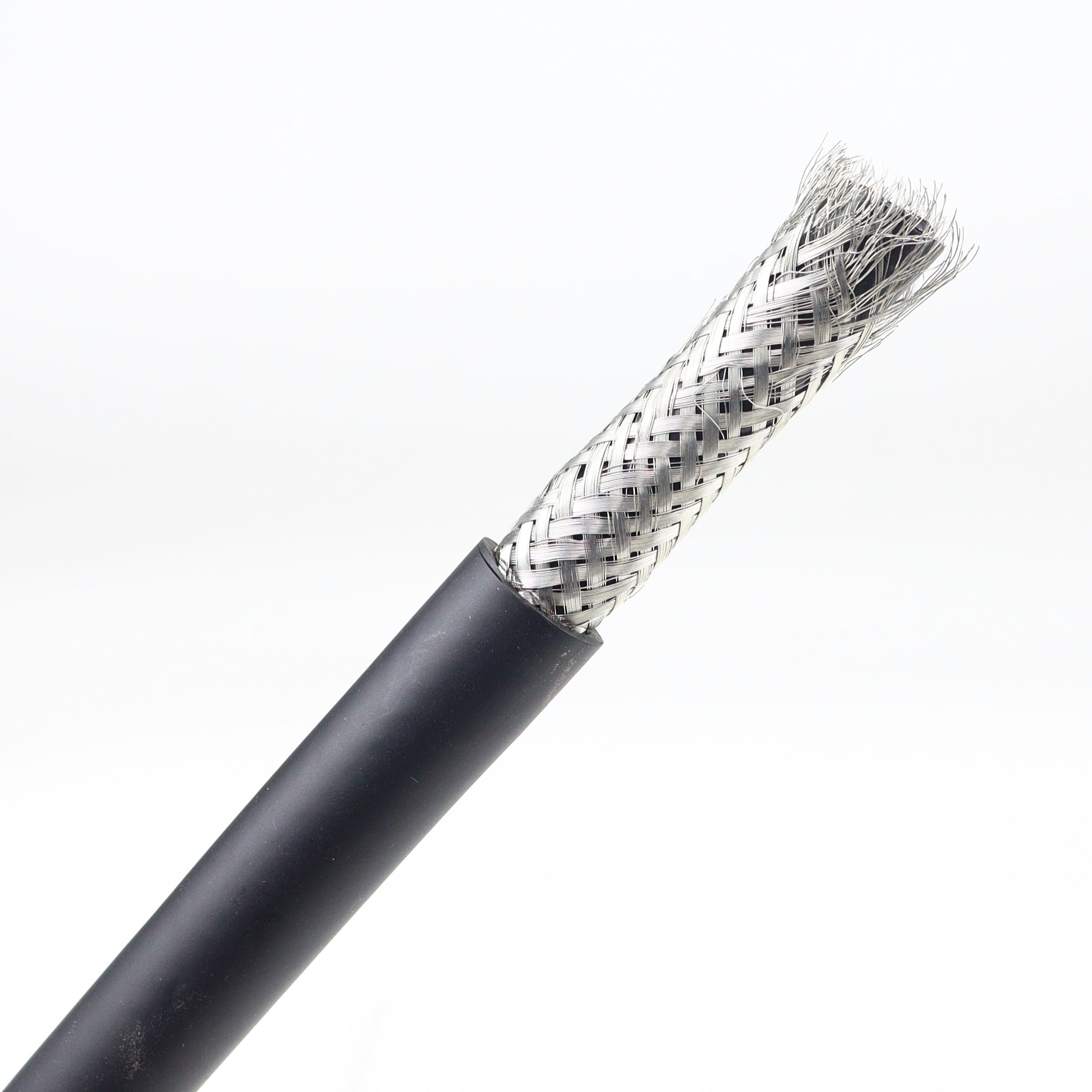
The practical question is how these risks influence a route before installation and during operation. For industrial control links, start with the cable maker’s minimum bend guidance, then assess movement, support, and environmental exposure. A tight bend radius can create localized strain, and motion fatigue risk can emerge even when the initial installation looks orderly. The route should suit the actual operating cycle, not just the drawing.
How Bend Geometry Affects Cable Routing
Respecting minimum bend requirements
A tight bend radius concentrates mechanical stress in a small section of cable. Depending on cable construction and optical design, excessive curvature can increase attenuation or create intermittent signal issues. For industrial control links, use the specified static and dynamic bend limits rather than estimating by eye. Keep bends broad, smooth, and free of sharp edges, especially near connectors and entry points.
The permitted radius can differ between a cable that remains fixed and one that moves during operation. A tight bend radius that appears acceptable during installation may be unsuitable once a carrier, robot, or hinged panel begins cycling. Check the applicable cable documentation and installation conditions before fixing supports. For industrial control links, preserving a gradual curve also makes inspection easier and reduces the chance that later work will force a tighter turn.
Managing transitions and connection points
Route transitions deserve particular attention because cables often change direction where they enter enclosures, pass through trays, or approach equipment. Motion fatigue risk increases when a transition combines bending with tension, twisting, or rubbing against a surface. Plan enough free length for a smooth transition, while avoiding excess slack that can snag or obstruct service. Industrial control links benefit when entry points provide clear space for inspection and connector handling.
A tight bend radius is not the only geometric concern; abrupt direction changes and unsupported spans can also shift stress along the route. Use suitable guides and supports that hold the cable without crushing its jacket. Keep the bend consistent as the cable moves, and check that adjacent hardware does not create a pinch point. These details help industrial control links maintain a predictable path through installation and routine access.
How Repeated Movement Changes the Risk
Identifying dynamic sections of the route
Motion fatigue risk is most relevant wherever a cable repeatedly flexes, including machine axes, drag chains, robot arms, and moving doors. The movement pattern matters: travel distance, cycle frequency, speed, and direction all affect the conditions a cable experiences. A tight bend radius at a moving point can compound repeated strain. Map the full motion envelope for industrial control links instead of assessing only the cable’s parked position.
Observe the route through its complete operating cycle and note where the cable bends, twists, or contacts guides. Motion fatigue risk may be concentrated at one transition, even if most of the run is stationary. Confirm that the cable is intended for the movement involved and that supports allow the intended travel. Industrial control links should not rely on a fixed-cable assumption when equipment movement is part of normal production.
Controlling strain during operation
Provide a controlled path that avoids sudden changes in direction and keeps moving sections from pulling against connectors. A tight bend radius may develop if slack is too short, a guide is misplaced, or a nearby obstruction shifts the cable during travel. Use clearances and restraint points that maintain the designed curve without preventing movement. For industrial control links, verify the full range of motion after final routing and enclosure installation.
Motion fatigue risk can also rise when a cable repeatedly rubs against a tray edge or another moving component. Inspect contact surfaces, use appropriate protective guidance, and separate the cable from sources of abrasion where practical. Avoid twisting the cable during installation, since torsion combined with flexing can create uneven loading. These checks support reliable industrial control links without assuming that one visual inspection predicts long-term behavior.
Practical Routing Decisions for Reliable Links
Reviewing the route before installation
Before installation, compare the proposed path with cable specifications, equipment drawings, and actual machine movement. Identify every tight bend radius, transition, support, and connection point that could influence the cable. Motion fatigue risk should be reviewed at moving sections, while fixed runs still need protection from compression and accidental impact. This route review gives installation teams a shared basis for decisions and helps industrial control links avoid preventable rework.
If space is constrained, consider changing the path, support location, or equipment entry direction before forcing the cable into position. A tight bend radius should not be treated as a harmless shortcut simply because the cable fits. Check clearances with panels closed and moving assemblies at their limits. For industrial control links, practical access for inspection matters too; inaccessible sections can make emerging damage harder to detect.
Verifying installation and planning maintenance
After routing, check that the cable follows the intended curve and is not pinched beneath covers or pulled taut at connectors. Motion fatigue risk is better managed when commissioning includes observing representative equipment movement and confirming that guides remain aligned. Record the route and any locations needing periodic inspection. A tight bend radius found during verification should be corrected before it becomes part of the normal operating condition.
Maintenance planning should focus on places where movement, contact, or access limitations make inspection especially useful. Look for jacket wear, displaced supports, unexpected tension, and changes in cable position. If signal behavior changes, inspect the full path rather than assuming the issue is limited to a connector. Industrial control links depend on the condition of the installed route, and documenting observations helps maintenance teams respond consistently.
FAQ
What is the first routing check for a fiber cable?
Check the cable specifications for minimum bend limits, then compare them with the planned path and equipment movement. For industrial control links, review fixed and moving sections separately, since their requirements may differ. Confirm there is room for smooth transitions and that supports will not crush the cable. This first review can reveal routing conflicts before installation makes them harder to correct.
Can a tight turn cause problems even in a static route?
Yes. A tight bend radius can place excessive stress on a cable even when it does not move, potentially affecting optical performance or contributing to damage. The acceptable radius depends on the cable design and installation conditions, so use the specified limit. Avoid sharp edges and check entry points, where available space can tempt installers to make a tighter turn than intended.
How should teams assess motion fatigue risk?
Identify every section that flexes or twists, then consider its travel, cycle pattern, support, and contact with nearby equipment. Motion fatigue risk is not limited to the most visibly moving section; a fixed transition beside it may also carry strain. Observe the complete operating cycle and verify that the cable remains guided without tension or rubbing. Recheck the route after equipment or support changes.

 EN