liycy-300v-flexible-shielded-pvc-data-transmission-cable, liycy-300v-flexible-shielded-pvc-data-transmission-cable, /data-transmission-cable
EN
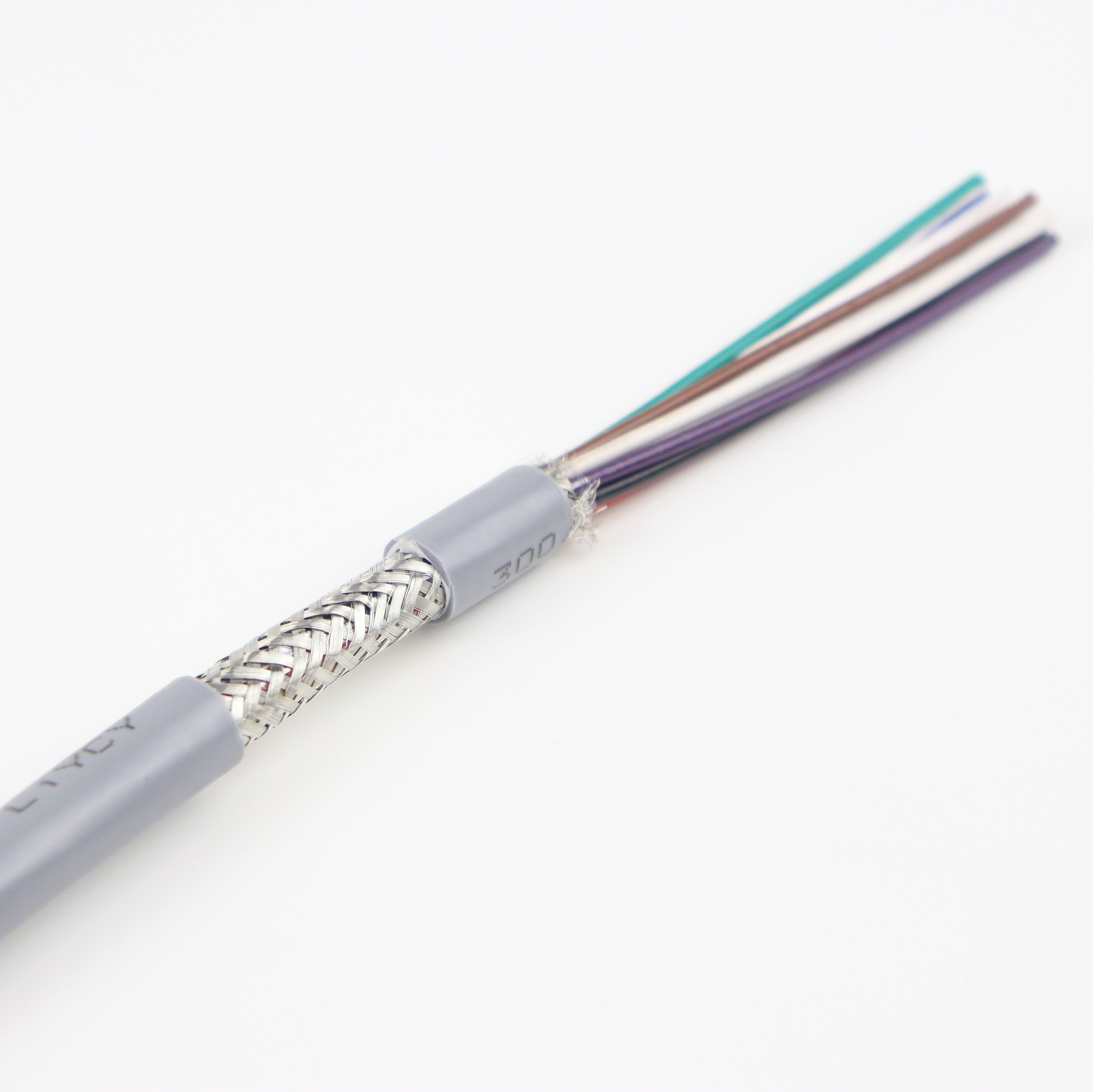
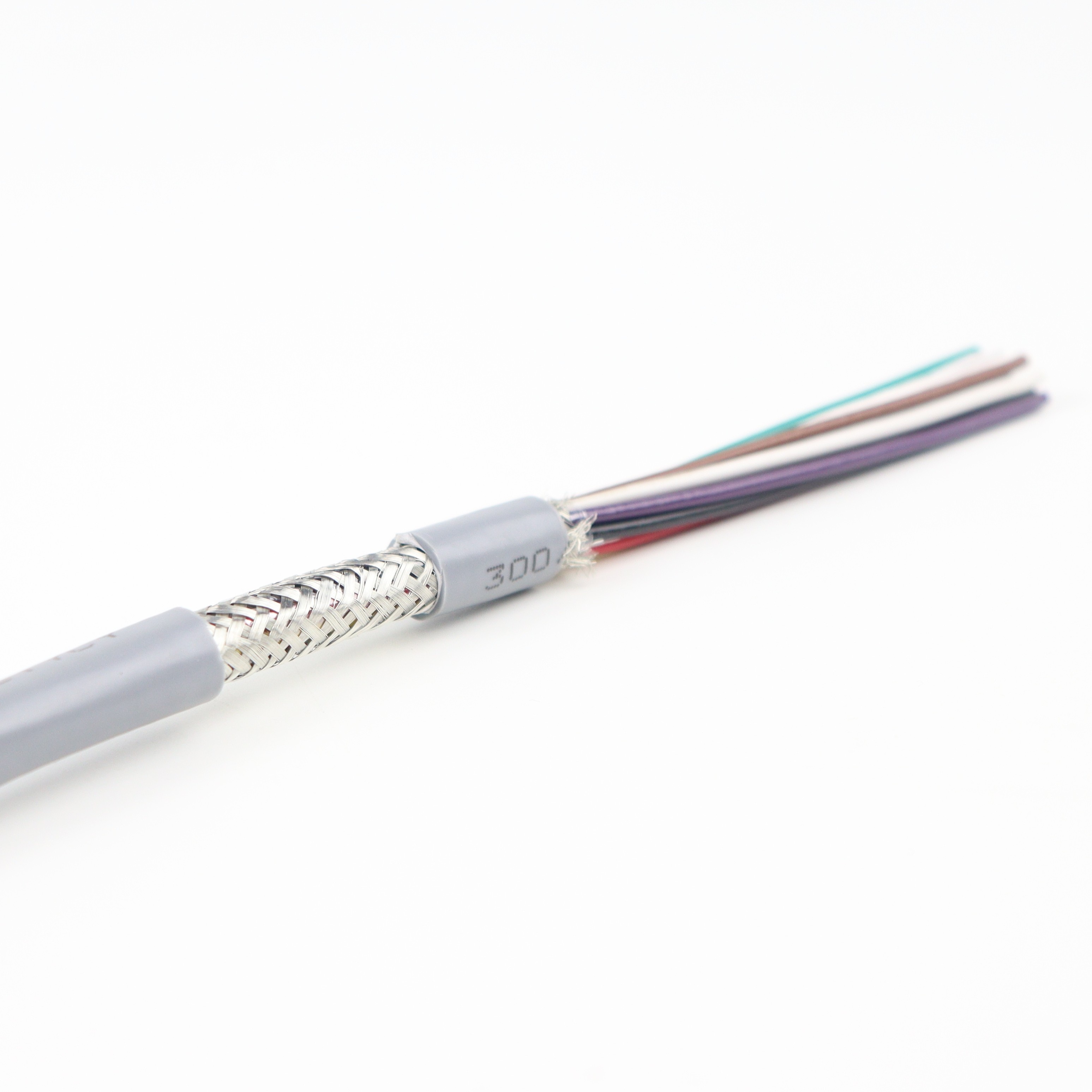
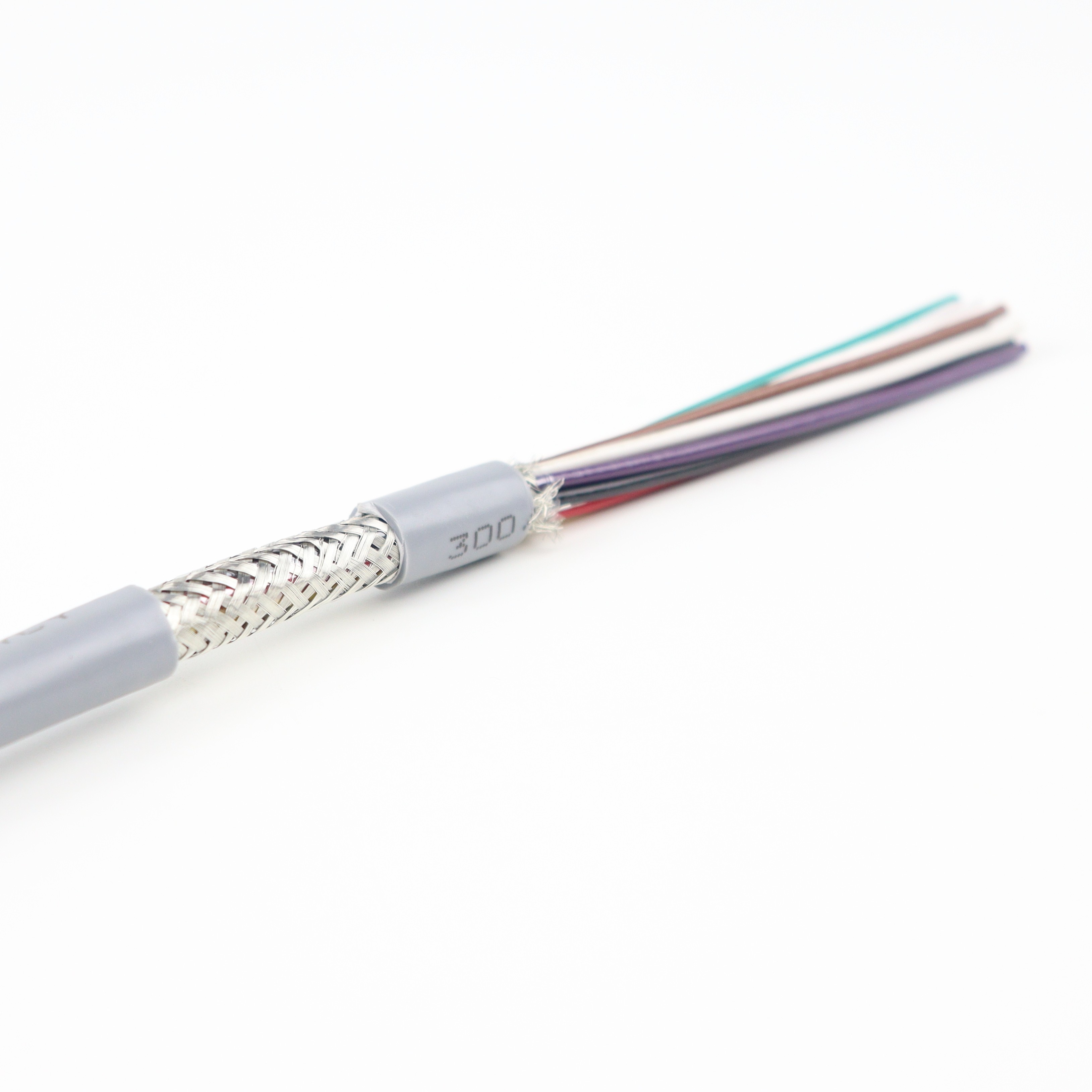
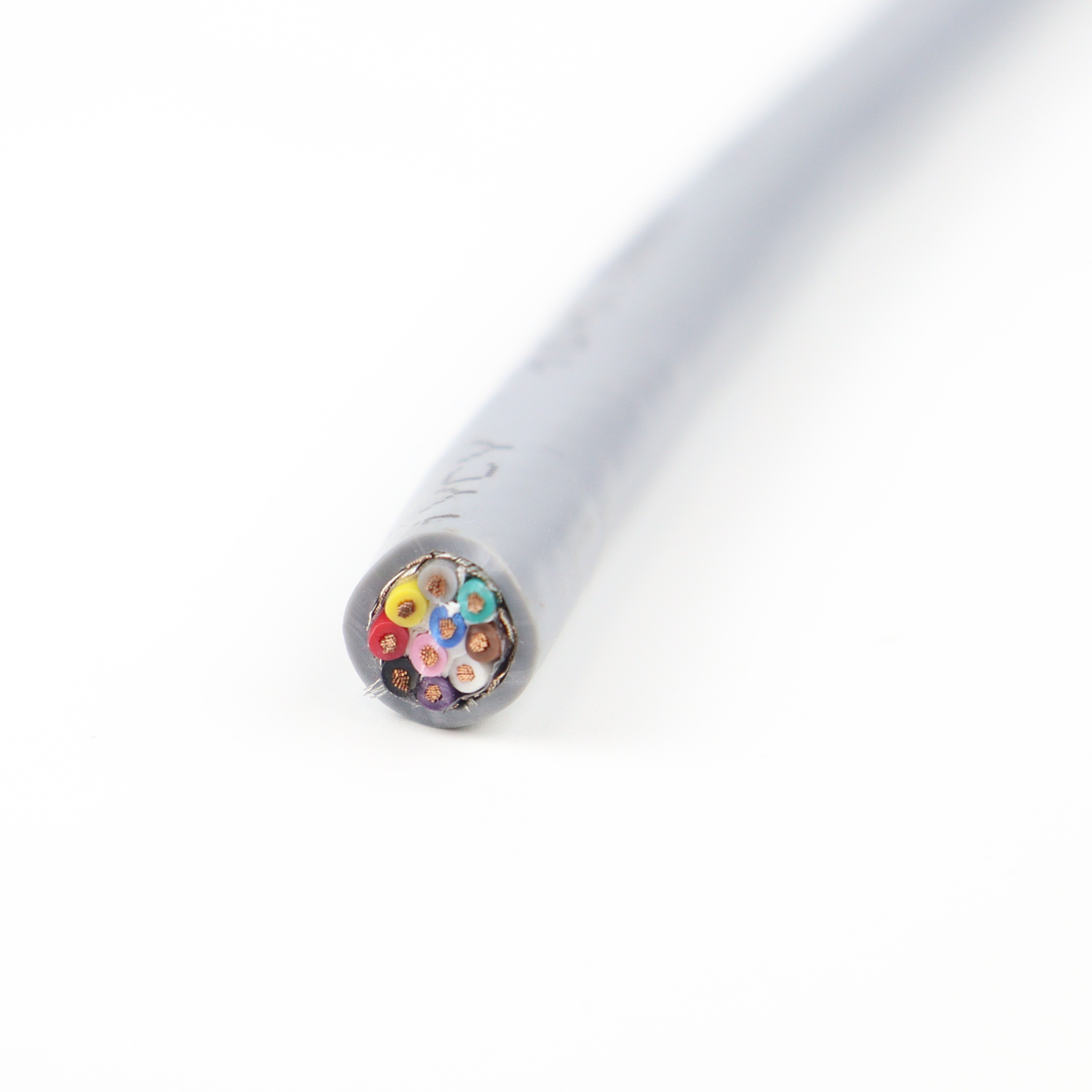
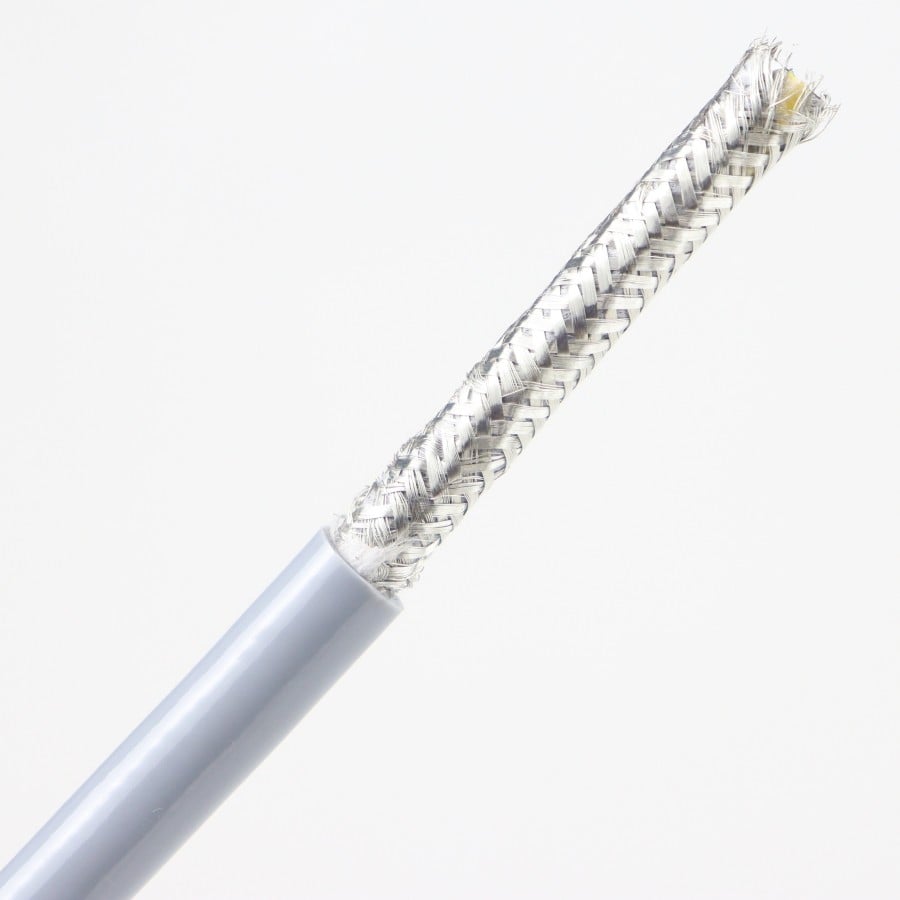
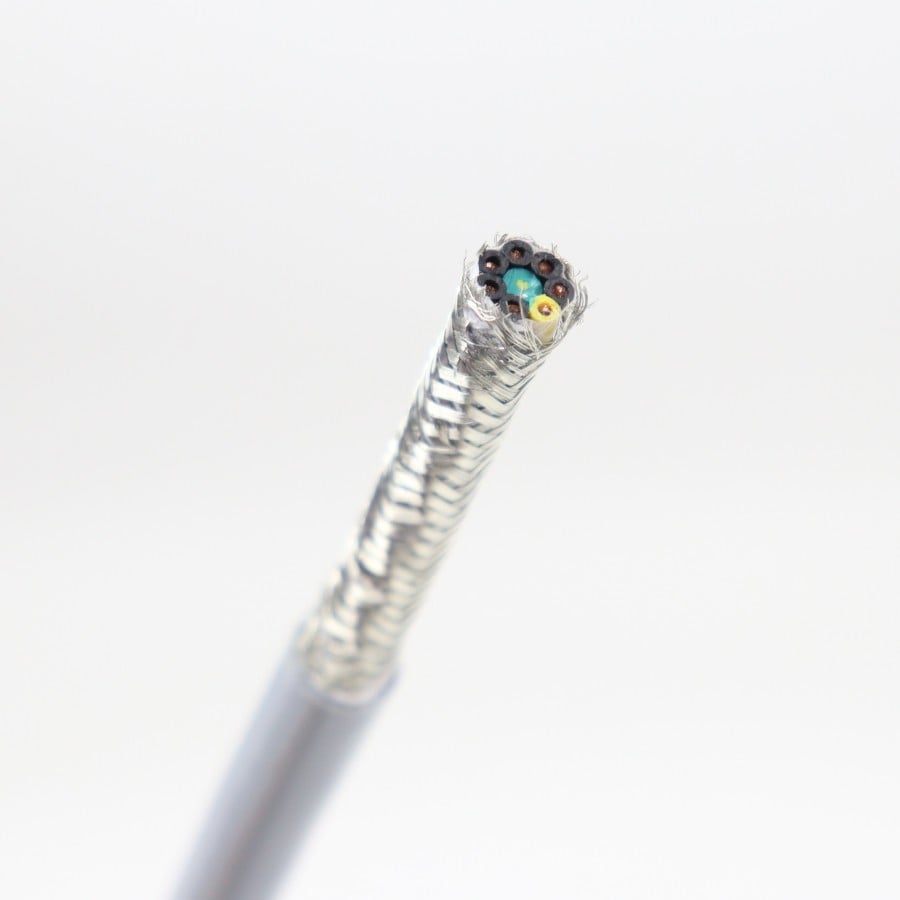
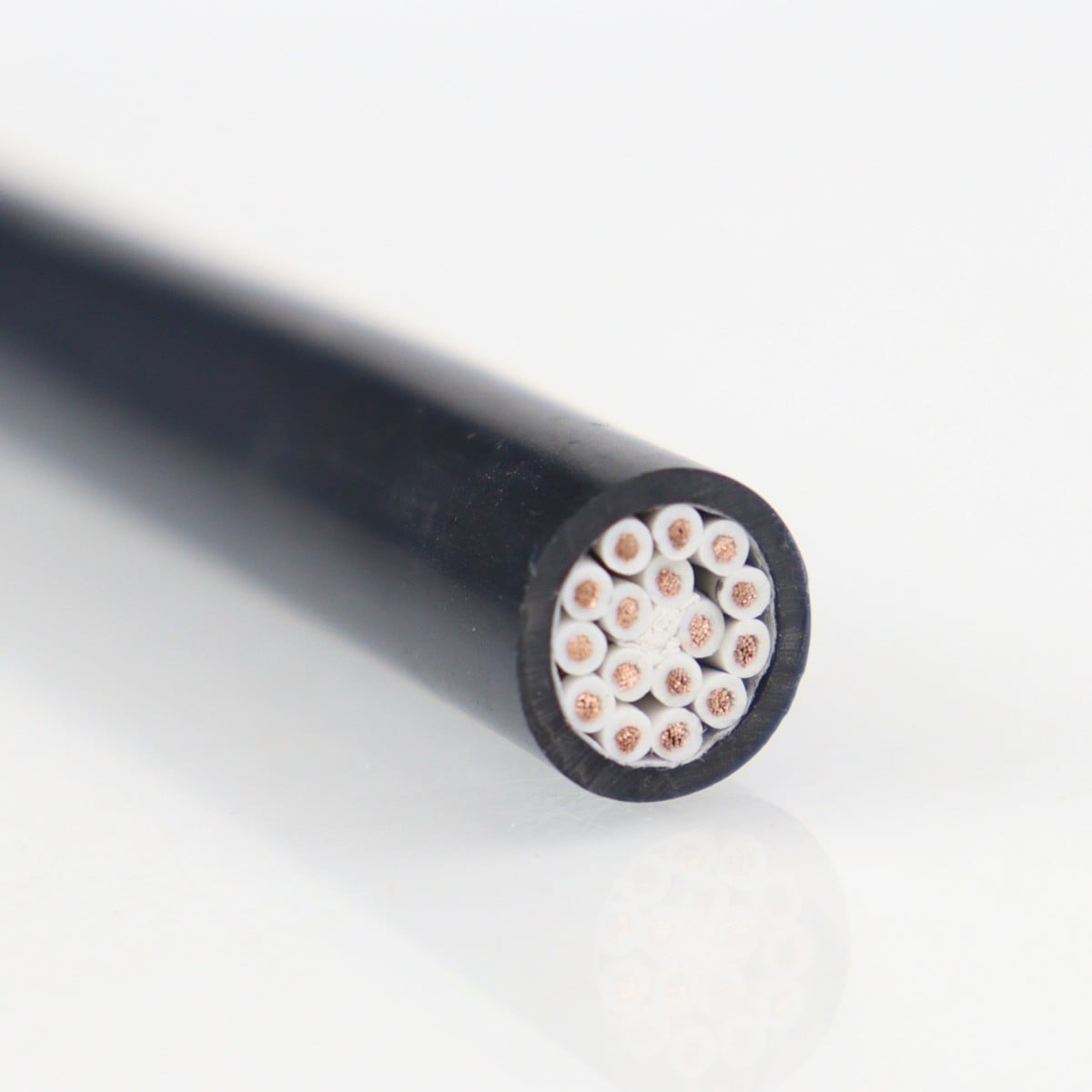
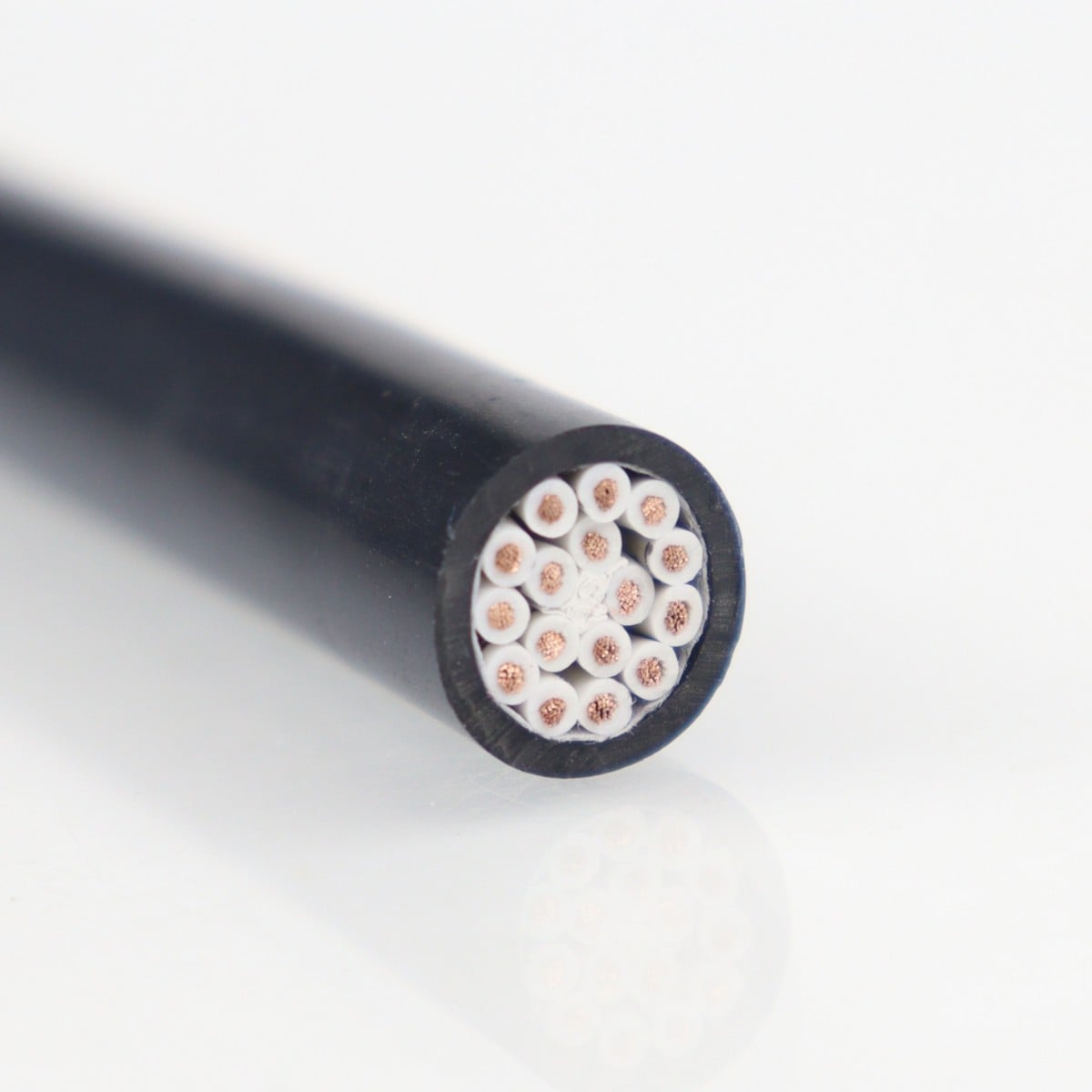
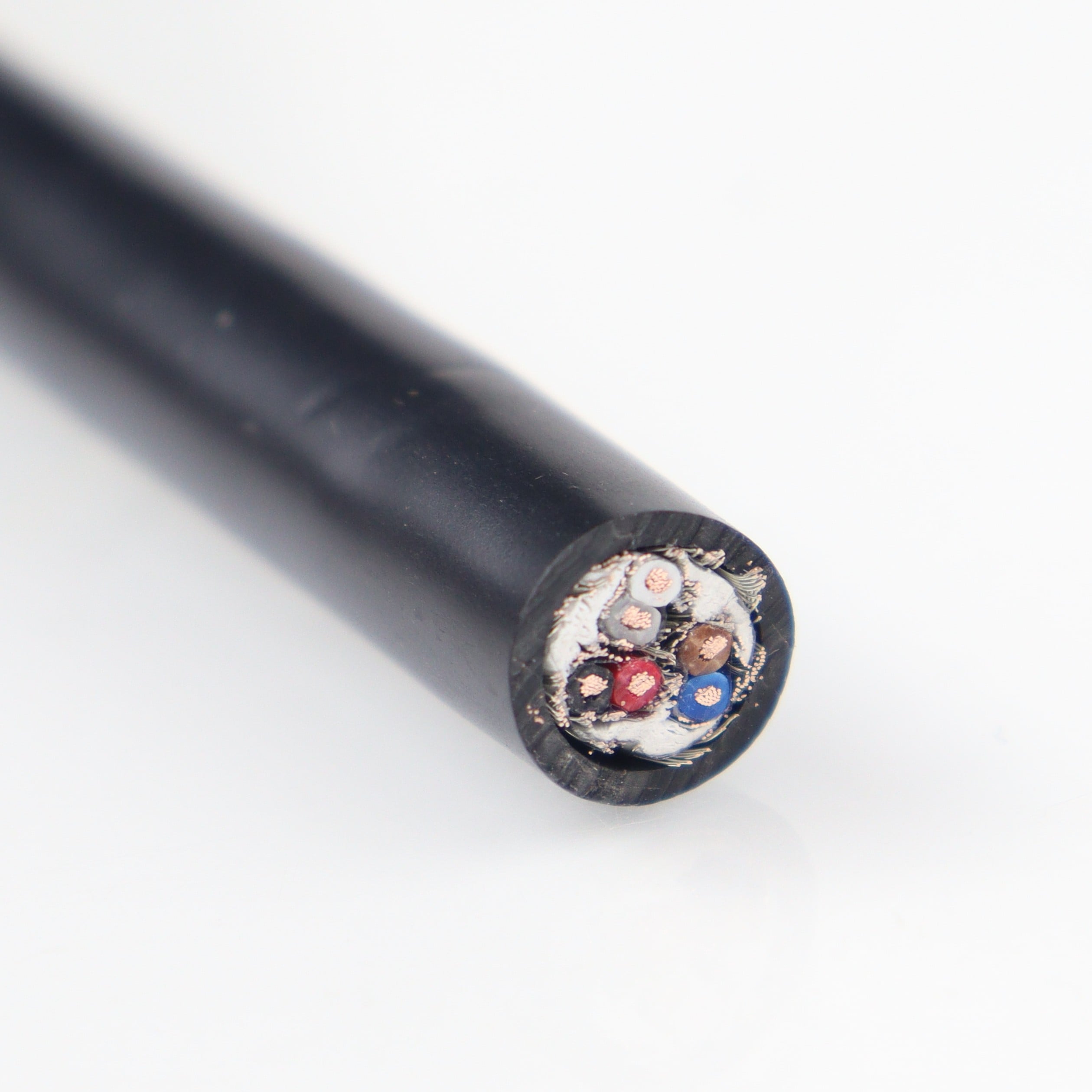
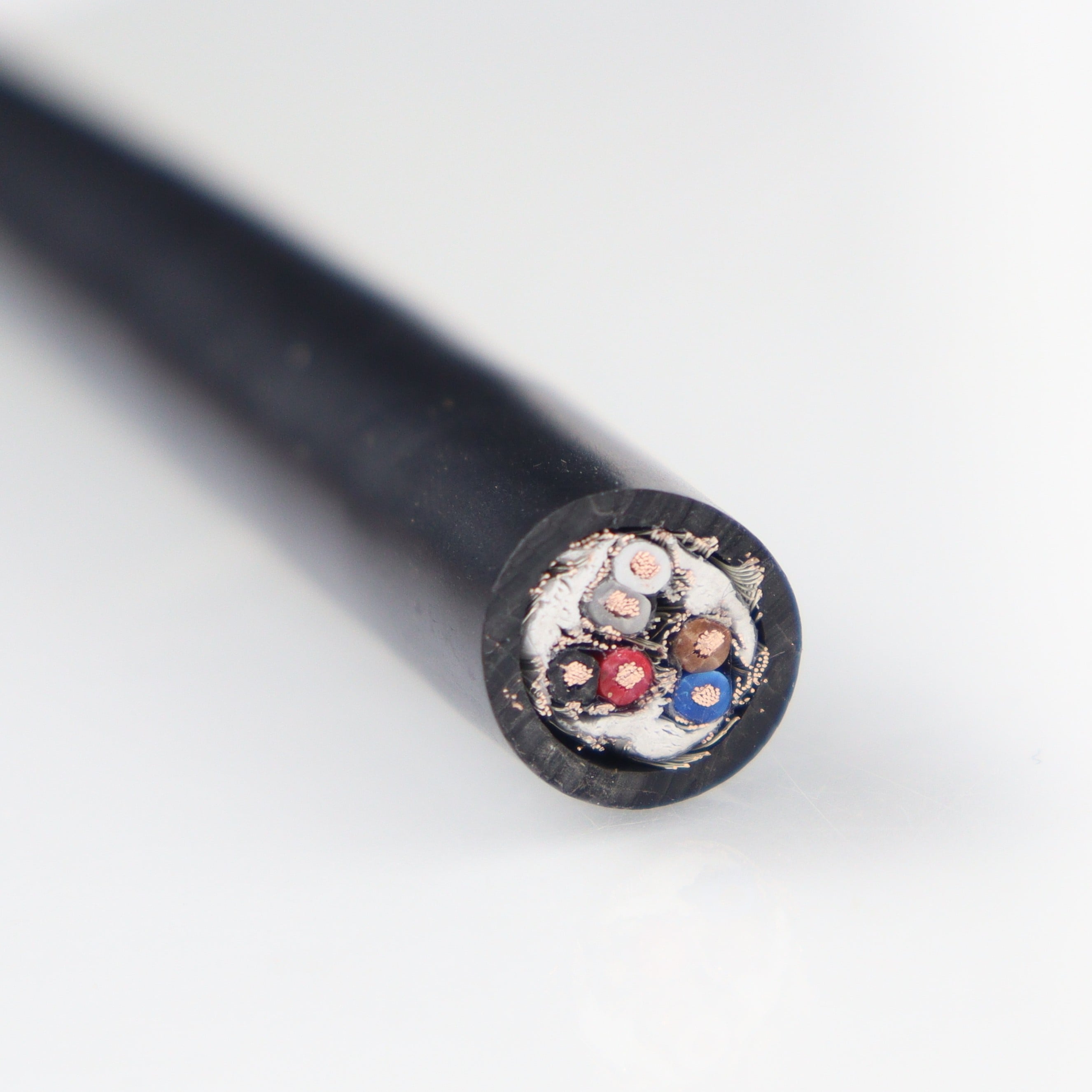
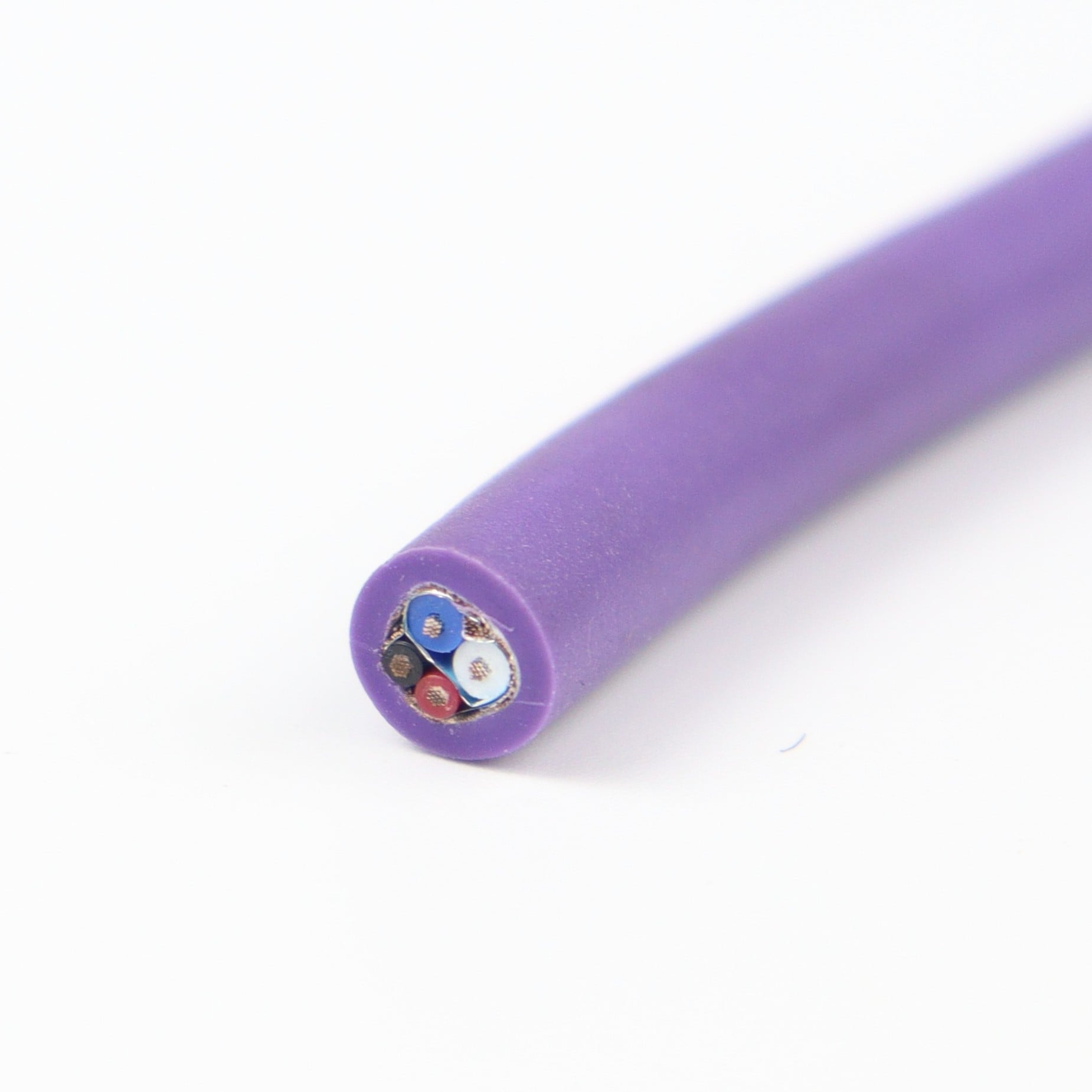
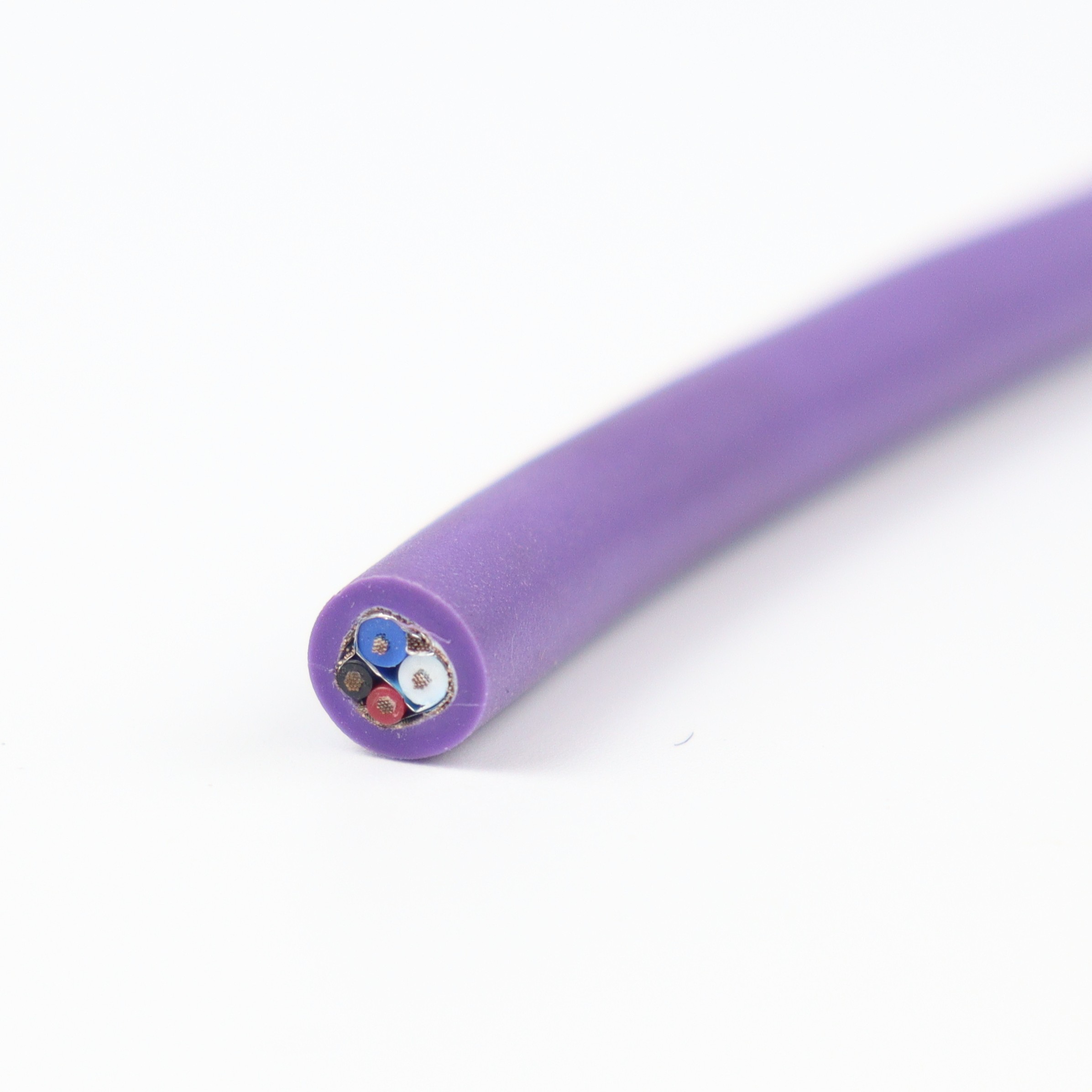
LiYCY‑TP twisted‑pair shielded data cable adopts Class5 fine‑stranded copper conductors and ≥80% tinned copper braid shielding. Twisted‑pair layout lowers crosstalk for analog‑digital signal transmission, with PVC insulation & sheath, 300V rating, and supports multiple pair‑size options as well as OEM custom demands.
The LiYCY 300V Flexible Shielded PVC Data Transmission Cable is a flexible, shielded cable intended for analogue and digital signal transmission where orderly routing and electromagnetic-noise control matter. The supplied product summary identifies twisted-pair construction, Class 5 fine-stranded copper conductors, PVC insulation and a PVC sheath. It also identifies a tinned-copper braid with at least 80% coverage. These construction details give engineers a practical starting point for specifying the LiYCY 300V Flexible Shielded PVC Data Transmission Cable in data and control circuits.
For industrial buyers, selecting a LiYCY 300V Flexible Shielded PVC Data Transmission Cable should begin with the actual circuit, installation path and required conductor arrangement. A shield can help support cleaner signal routing, but the result also depends on correct termination and continuous shield treatment in the installation. In other words, the cable is one part of a complete signal path rather than a stand-alone guarantee of system performance.
This LiYCY 300V Flexible Shielded PVC Data Transmission Cable combines a flexible conductor design with twisted pairs and braided screening. The twisted-pair layout is described as helping lower crosstalk for analogue-digital signal transmission. PVC insulation and sheathing provide the stated construction platform, while the 300V rating is part of the supplied product summary. Multiple pair-size options and OEM custom requirements are also supported according to the existing material; confirm the exact construction before ordering.
Because the source page includes unrelated servo-cable material as well as this LiYCY summary, this description deliberately limits factual claims to the title and LiYCY-specific summary. It does not treat servo voltage, temperature, oil-resistance, bending-radius, certification, or flame-performance statements as specifications for this . This is a conservative selection approach: first identify the required signals, then confirm the relevant cable drawing and test requirements.
| Item | Supplied information |
|---|---|
| Product type | this cable |
| Rated voltage | 300V |
| Conductor | Class 5 fine-stranded copper |
| Pair arrangement | Twisted pairs |
| Shielding | Tinned copper braid, stated coverage at least 80% |
| Insulation and sheath | PVC |
| Options | Multiple pair-size options and OEM custom requirements, subject to confirmation |
The this cable may be considered for control, instrumentation, and data-signal wiring where a flexible shielded twisted-pair cable is required. Typical planning contexts include control cabinets, machine interfaces, and equipment signal connections. These are application examples, not a substitute for an engineering review. The actual voltage, signal type, termination method, routing separation, and environmental exposure should be checked against the selected cable variant.
For example, a control-panel project may use the this cable when it needs paired signal conductors and braided screening within a defined cable route. A machine builder may evaluate the this cable for communication or control wiring after confirming conductor size and pair count. An integrator may also compare the this cable with the system connector, gland, and shielding arrangement before release. Each case benefits from reviewing the complete assembly rather than choosing by cable name alone.
Start by listing the number of circuits, pair count, conductor size, 300V requirement, and required installation conditions. Then compare those requirements with the confirmed drawing for the this cable. Pay particular attention to shield continuity: a braid is useful only when the full installation method supports the intended electromagnetic-compatibility design. Also verify that the connectors, terminals, and cable accessories match the selected outside diameter and conductor construction.
It is tempting to assume that a shielded cable will solve every interference concern. However, routing, grounding practice, and the surrounding equipment can be equally important. The this cable should therefore be specified as part of a complete signal-transmission design. If the application includes repeated motion, outdoor exposure, unusual chemicals, special approvals, or a non-standard voltage, provide those conditions for technical confirmation rather than inferring performance from the general product name.
To request the this cable, share the needed pair configuration, conductor size, length, preferred colour or marking, quantity, destination, and intended application. For custom projects, include the system voltage, signal characteristics, routing conditions, connector interface, and any required documentation. This information allows the supplier to confirm whether the requested LiYCY construction and available pair-size options are suitable.
The product page describes OEM custom requirements as supported. Customisation should be documented against an agreed specification, especially when the this cable will be used in equipment production or a controlled installation. A clear specification helps align the cable, accessories, inspection requirements, and delivery packaging with the project rather than relying on a generic description.
A this cable is most useful when its construction is matched to the actual system need. The supplied information supports a flexible PVC, twisted-pair, braided-shield construction at 300V. It does not establish every environmental, certification, or motion-performance requirement. Confirming the final variant before purchase keeps the page informative without overstating what has been verified.
Contact us with your required configuration to discuss the this cable for your signal or control wiring project. We can use the requested pair size and OEM requirements as the basis for a technical and commercial enquiry.
Before release, confirm pair count, conductor size, shielding termination, routing, system voltage, environmental conditions, and documentation requirements with the approved product specification for this project.
Confirm pair count, routing, termination, and documentation before production release.
LiYCY‑TP twisted‑pair shielded data cable adopts Class5 fine‑stranded copper conductors and ≥80% tinned copper braid shielding. Twisted‑pair layout lowers crosstalk for analog‑digital signal transmission, with PVC insulation & sheath, 300V rating, and supports multiple pair‑size options as well as OEM custom demands.

 EN