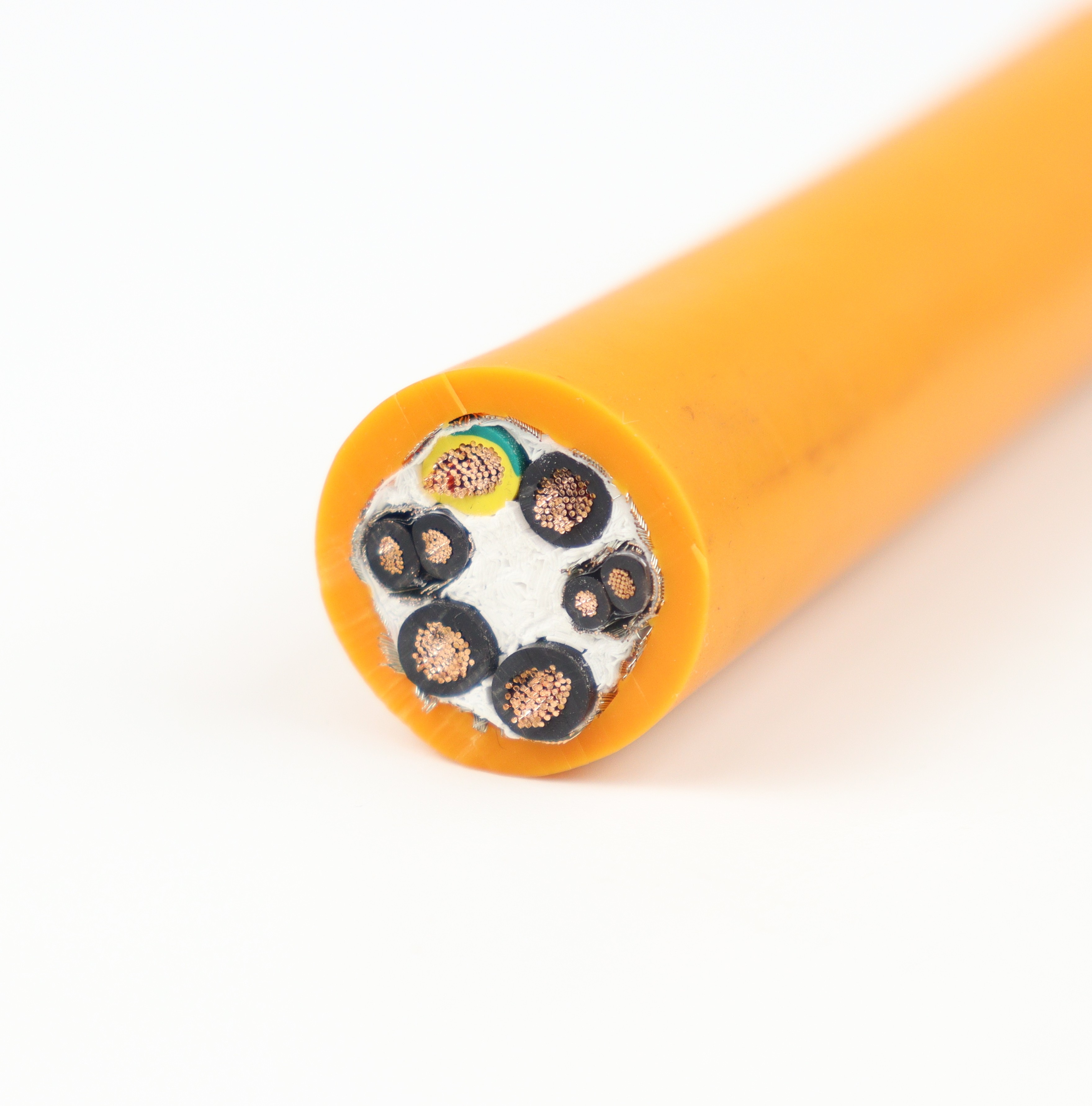
Choosing a cable for network storage connections means checking more than whether the plug fits. The SAS data rate defines the signaling demands that the link must support, while the connector form factor determines whether the cable can physically mate with the host adapter, backplane, or drive. Treat these as separate compatibility tests: network storage connections can fail when either electrical capability or physical interface is wrong, even if a cable looks suitable at a glance.
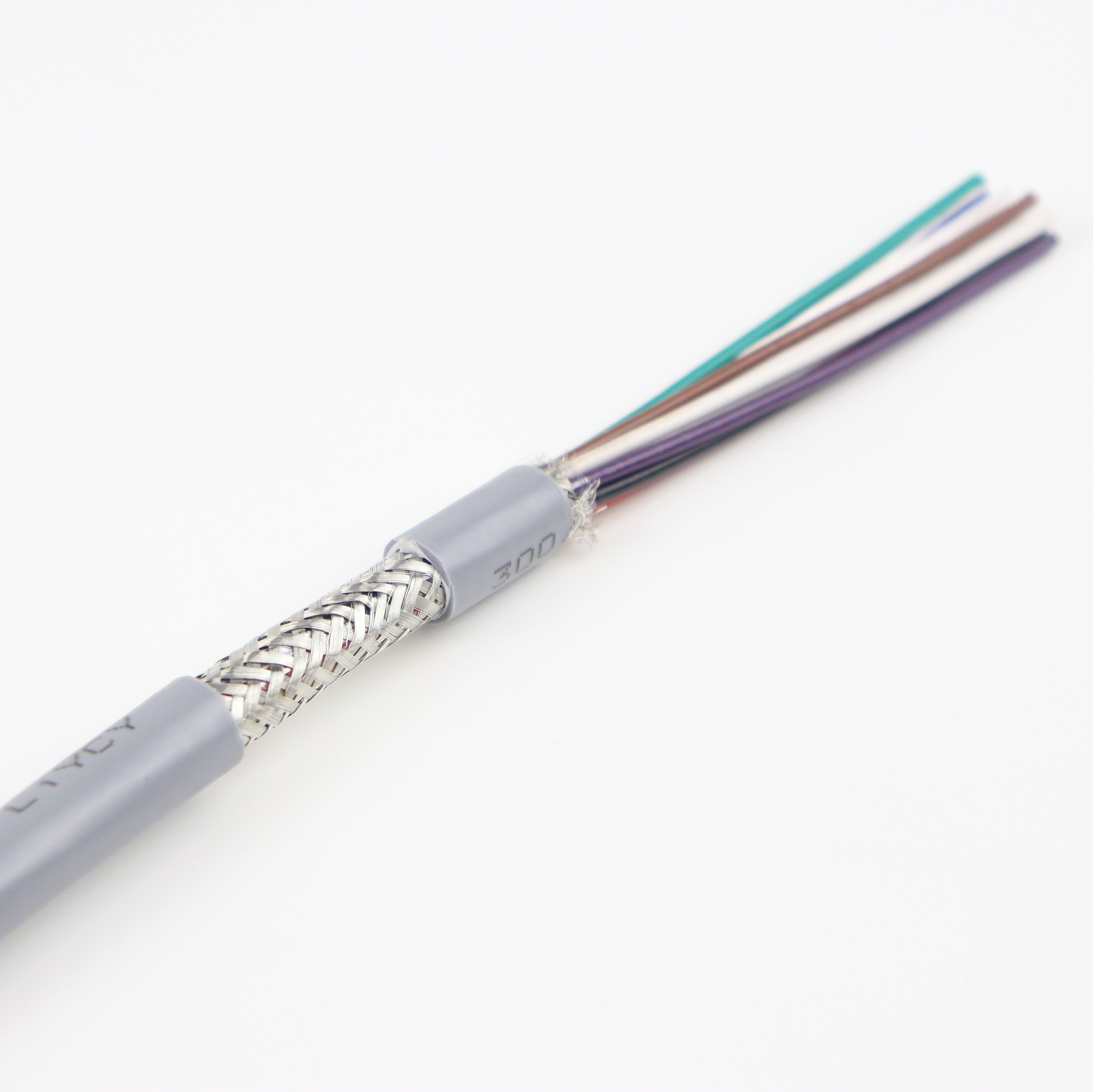
A reliable decision starts with the exact equipment documentation, not a guess based on a product photo. Confirm the SAS data rate, the connector form factor at both ends, and the cable’s intended use. This guide explains how those details work together for network storage connections, what to verify before ordering, and why a mechanically compatible Data Cable may still be unsuitable for a particular storage path.
How SAS Signaling Sets Cable Requirements
Match the link generation and operating speed
The SAS data rate describes the signaling speed supported by a storage interface. Confirm the rate specified for the controller, expander, backplane, and drive path, since the usable link depends on the capabilities of connected components. For network storage connections, the cable should be specified for the required SAS generation and operating conditions; a connector that fits does not establish that the cable can carry the intended signal reliably.
Check the full path instead of considering a single component in isolation. If a controller supports one SAS data rate but a cable assembly or intermediate backplane has a lower rating, the system may negotiate a reduced rate or experience link instability. Documentation should identify supported rates and applicable cable assemblies. When the specification is unclear, verify it with the equipment documentation or technical support before commissioning network storage connections.
Consider signal integrity across the complete route
Cable length, routing, shielding, and electrical construction can affect signal quality. A short internal run and a longer external connection may have different design constraints, even when both serve network storage connections. Read the cable specification for its intended application and supported interface rather than assuming that physical appearance or conductor count proves suitability for a SAS data rate.
Also account for bends, nearby power wiring, airflow, and service access. Tight bends or repeated strain can damage conductors or shielding, while poor routing can complicate maintenance. These considerations do not replace the rated SAS data rate, but they help preserve the design assumptions behind it. Before installing a Data Cable, compare the complete path with the system’s electrical requirements and cable documentation.
How Connector Form Factors Determine Physical Fit
Identify the interfaces at both cable ends
A connector form factor describes the connector’s physical design, including its shape, keying, and mating arrangement. Identify the port at each endpoint separately: a controller, storage enclosure, backplane, and drive may use different interfaces. For network storage connections, record both ends of the route before selecting a cable; similar-looking plugs can differ in pin layout or intended use.
Use equipment manuals, chassis diagrams, or clear port labels to confirm the connector form factor. Do not infer compatibility from a connector image alone, because orientation, latch position, and internal contact arrangement can be difficult to judge from photographs. A correct match must mate securely without force and suit the stated interface. These checks are as important as confirming the SAS data rate for network storage connections.
Check cable direction, breakout, and installation space
Some storage layouts use a direct cable, while others require a breakout or a specific host-to-device arrangement. Verify that the cable assembly is designed for the intended direction and endpoint pairing. The connector form factor at one end does not prove that the other end is right, so document both interfaces when planning network storage connections.
Physical fit also includes clearance around the port, latch access, and room for safe cable bends. A connector may mate correctly yet obstruct a neighboring drive or prevent a chassis cover from closing. Assess the route in the actual enclosure, and make sure its mechanical layout does not place strain on the connector. This practical review complements checking the SAS data rate and documented cable purpose.
A Compatibility Workflow for Storage Connections
Verify specifications before purchasing or replacing
Start by mapping the signal path from controller through any expander or backplane to the storage device. Note the required SAS data rate, each port’s connector form factor, cable type, and approximate route length. This small specification record helps prevent mismatched parts in network storage connections and gives purchasing and maintenance teams a common reference when replacing a failed assembly.
Next, compare that record with the cable datasheet. Check rated interface support, connector descriptions at both ends, construction, length, and operating environment. If a listing uses broad wording, request a precise specification instead of treating a general description as confirmation. The Data Cable linked here is a flexible, shielded PVC transmission cable; its description alone should not be interpreted as proof of SAS qualification or compatibility with every SAS data rate.
Validate the installed link and document the result
After installation, inspect connector seating and cable routing before powering the system. Then check controller or operating-system logs for link negotiation, drive visibility, and recurring communication errors. A stable result supports the intended configuration, but it does not remove the need to match the cable specification to the SAS data rate and connector form factor across all network storage connections.
Record the part description, endpoint interfaces, route, and observed link status in maintenance notes. Clear records make future replacements faster and reduce the chance that a physically similar but electrically different cable is substituted. If faults persist, isolate components systematically rather than assuming the cable is the only cause. This workflow keeps the SAS data rate, connector form factor, and real installation conditions visible throughout troubleshooting.
FAQ
Does a connector that fits guarantee SAS compatibility?
No. A matching connector form factor confirms only a physical interface match, not electrical performance or supported SAS data rate. Check the cable documentation and every component on the path before using it for network storage connections. Mechanical fit is one necessary check, not a complete compatibility test.
Can a cable support a lower rate than the connected devices?
Possibly, depending on component negotiation and the documented specifications, but the link may operate below the expected speed or show reliability problems. Confirm the supported SAS data rate for the complete path and verify that the connector form factor is correct at both ends. Do not assume a lower-rated cable will meet the system’s needs.
What information should I gather before ordering a replacement?
Record the interfaces at both endpoints, the SAS data rate, required length, route conditions, and cable assembly type. Compare those details with the cable datasheet, including each connector form factor. This gives you a practical basis for selecting a replacement for network storage connections without relying only on appearance or a broad product label.

 EN