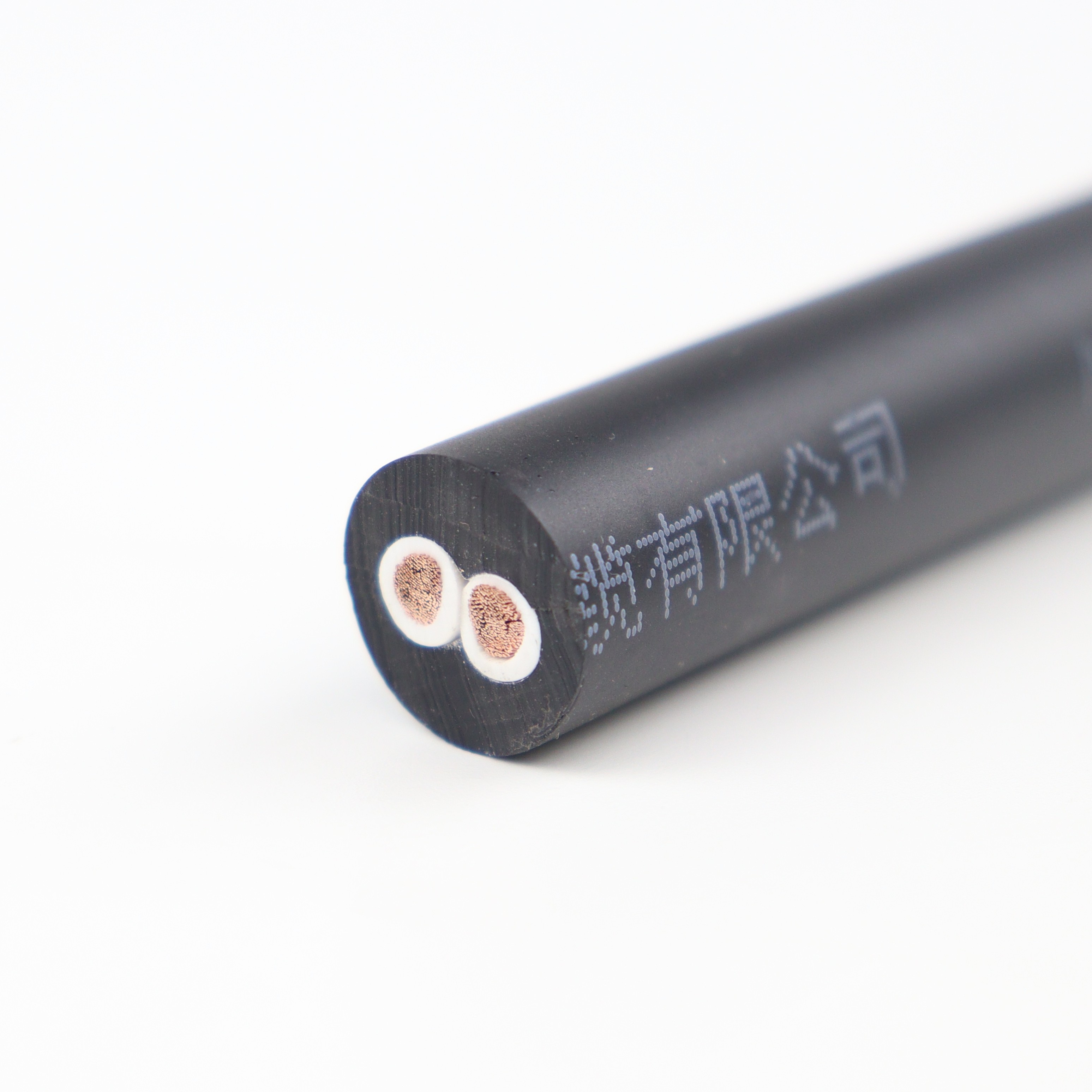
Choosing a ham radio feedline means balancing signal loss against the power the cable must carry. Low-loss dielectric and transmit power handling both matter, but neither should be considered alone: cable length, operating frequency, connector quality, and installation conditions influence the result. A suitable Coaxial Cable preserves more of the transmitter’s available signal while operating within its electrical and thermal limits.
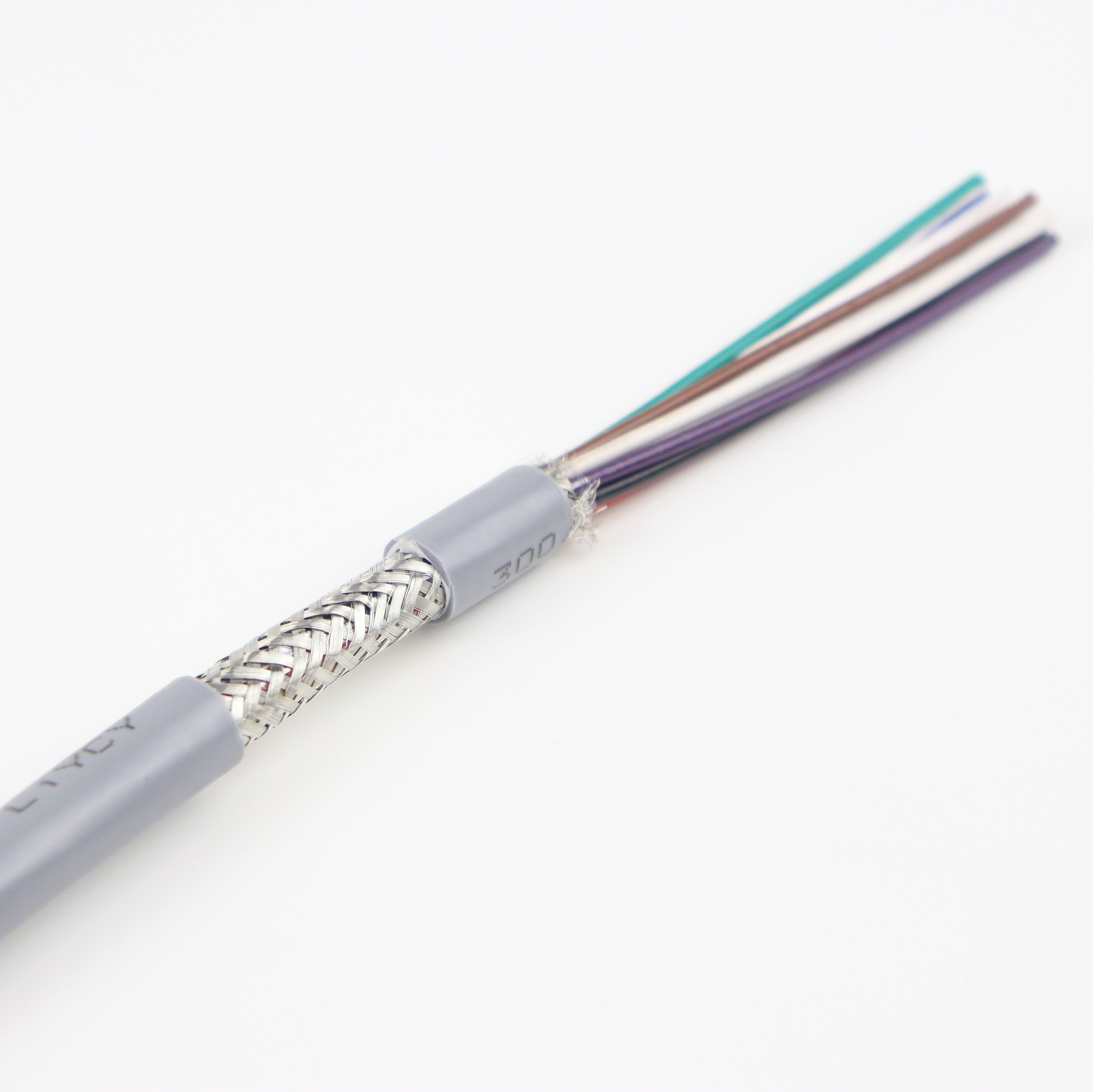
The practical choice starts with the station’s actual operating plan. For a ham radio feedline running a modest distance at lower frequency, flexibility or cost may carry more weight; a long run or higher-frequency band makes attenuation more consequential. Comparing low-loss dielectric specifications with transmit power handling helps identify a cable that suits both the signal path and the radio’s operating conditions.
Assess signal loss across the complete feedline
Connect dielectric loss to frequency and length
A low-loss dielectric reduces energy dissipated as a signal travels through the cable. Its value becomes clearer as frequency rises or the run grows longer, because attenuation accumulates along the route. When evaluating a ham radio feedline, compare attenuation figures at the bands you use rather than relying on a single general description.
The specification is typically expressed as loss over a stated length and frequency. Check that units and test conditions match before comparing options, then estimate the loss for your actual cable length. Low-loss dielectric can improve the received and transmitted signal reaching the antenna, but it cannot eliminate loss from connectors, adapters, or poor installation.
Include connectors and routing in the loss estimate
Every transition adds another consideration. A sound ham radio feedline plan accounts for connector type, properly prepared cable ends, and the number of joints between radio and antenna. Loose connections, moisture, or damaged shielding can undermine the benefit expected from low-loss dielectric, so installation quality belongs in the same assessment as the cable data sheet.
Routing also affects the practical result. Bends tighter than the manufacturer permits can deform the cable and change its electrical behavior; long exposed runs may require weather protection and secure support. For a fixed station, measure the route before purchase and leave enough length for safe connections without creating unnecessary extra cable that increases total attenuation.
Match transmit power handling to station use
Read power ratings with operating conditions in mind
Transmit power handling describes how much power a cable can carry under specified conditions, not an unlimited rating for every installation. The allowable level can depend on frequency, ambient temperature, ventilation, cable length, and how the cable is installed. Review the stated assumptions before deciding whether transmit power handling suits the transmitter and operating mode.
A ham radio feedline carrying continuous or long-duration transmissions can face a different thermal load from one used for brief transmissions. Higher frequency can also reduce permissible power for some cable constructions. Compare the rating at the frequency and duty cycle you expect, and retain a sensible margin rather than treating a published maximum as a routine target.
Consider loss and heat together
Attenuation and heat are linked: power lost inside the cable becomes heat, so the same loss that reduces energy delivered to the antenna can affect thermal limits. Low-loss dielectric may help reduce attenuation, but the cable’s full construction and installation determine the outcome. Check both transmit power handling and loss data instead of assuming one specification guarantees the other.
Enclosed spaces, bundled runs, and direct exposure to sunlight can alter heat dissipation. Where the cable cannot shed heat easily, a rating based on open-air conditions may not represent the installed situation. Confirm the manufacturer’s guidance for the intended route, then reassess transmit power handling if the operating plan includes extended transmission or elevated power.
Choose for the real installation, not one specification
Balance cable size, flexibility, and performance
The lowest-loss option is not automatically the best fit for every station. Larger or less flexible constructions may be difficult to route through tight spaces, while a smaller cable can be easier to handle but show greater attenuation or different power limits. Select a ham radio feedline that meets the measured route, connector needs, and operating demands together.
A low-loss dielectric is especially relevant when long cable runs or higher bands make attenuation a priority. For shorter runs, the improvement may be less valuable than easier routing or a practical connector arrangement. Compare the expected signal benefit with handling requirements, and verify that the chosen cable can be installed without sharp bends, crushing, or unsupported weight.
Make the decision with a complete station check
Before choosing, record the longest run, bands, transmitter output, expected transmission duration, and exposure to weather or heat. Then use the cable documentation to check attenuation and transmit power handling under comparable conditions. This makes the selection more defensible than relying on a broad label such as heavy duty or low loss.
A properly specified Coaxial Cable is only one part of the system. Confirm impedance compatibility across the radio, feedline, connectors, and antenna, and inspect the finished route for water entry or mechanical strain. If the requirements are unusual, seek technical clarification using the actual frequency, power, and installation details. This approach keeps the ham radio feedline decision tied to measurable needs.
FAQ
Does a low-loss dielectric always improve a station?
It reduces cable attenuation when the cable is used as specified, which can matter on long runs or higher bands. For a short route, the difference may be less important than correct installation and sound connectors. Evaluate low-loss dielectric alongside length, frequency, and the rest of the ham radio feedline.
Can a cable power rating be used at every frequency?
Not necessarily. Ratings may change with frequency, temperature, and transmission duration, so check the relevant documentation rather than assuming one number applies universally. Confirm transmit power handling for the operating band and installation, particularly when transmissions are sustained.
Which factor should be checked first?
Start with the route length, bands, and power conditions because these establish the main performance and safety requirements. Then compare attenuation, transmit power handling, and installation fit. A low-loss dielectric can be valuable, but the final choice should satisfy the complete ham radio feedline plan.

 EN