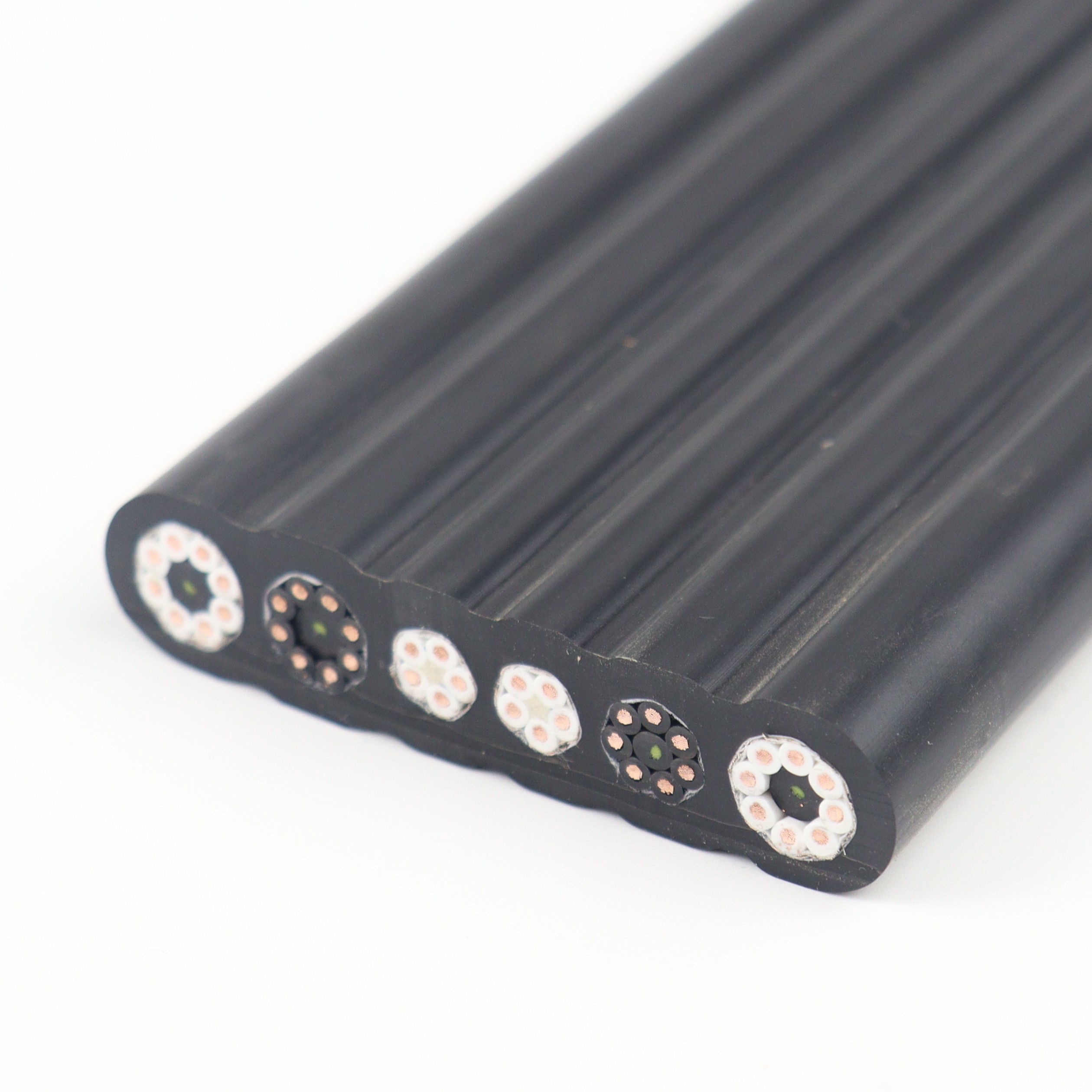
Assessing buried campus links means looking beyond the cable specification. A sound review considers the route, soil and installation conditions, the armored cable jacket, and how excavation damage risk could change over the link’s service life. Fiber Optic Cable can support campus communications only when its physical protection matches the hazards along the route.
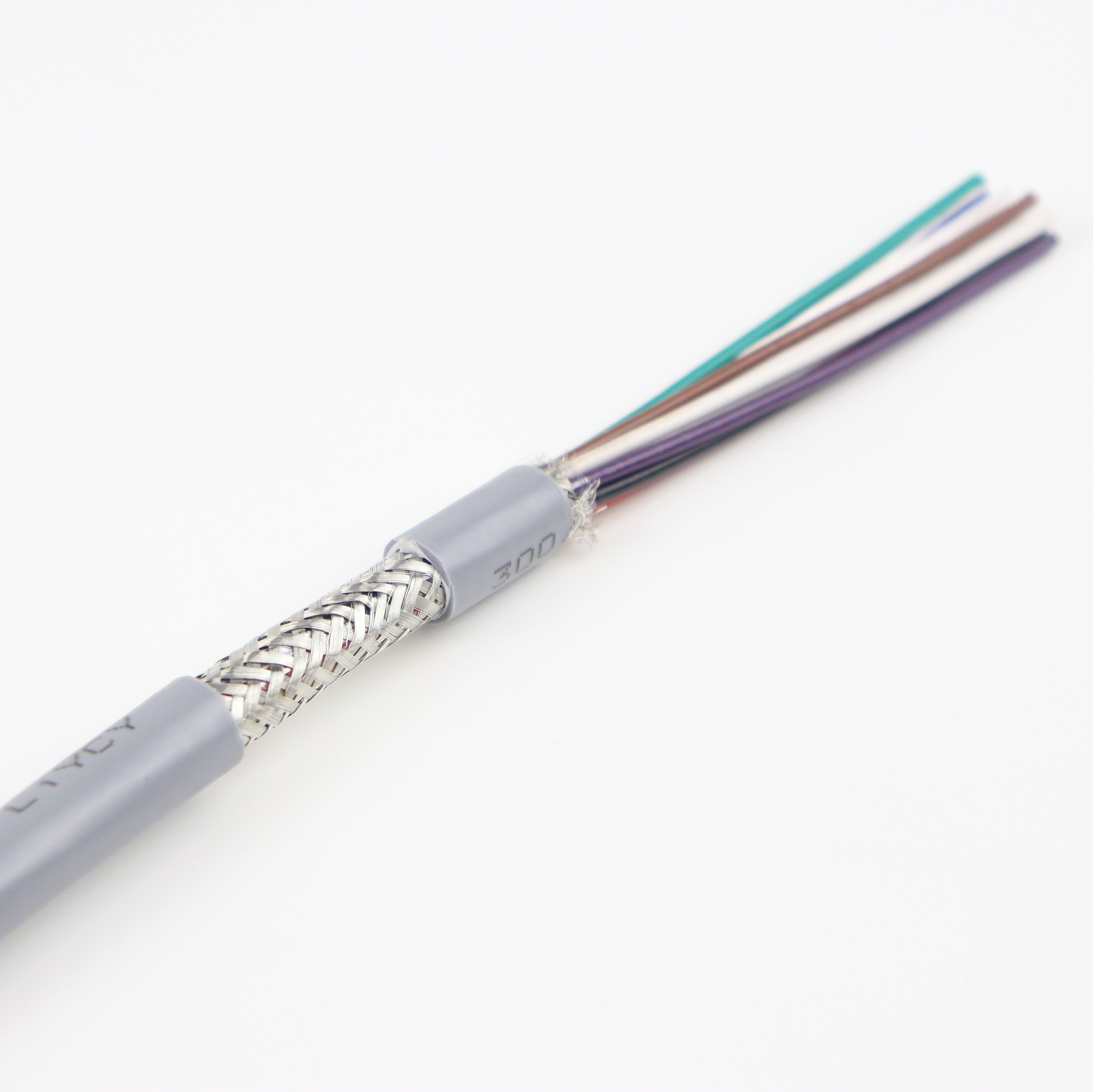
The assessment should produce practical decisions: whether the proposed construction is suitable, where added protection or route changes are warranted, and what information future crews need. This is not a choice based on a label alone. Review the actual cable construction, installation method, campus activity, and maintenance plan together.
Establish the route and its exposure
Map conditions across the full link
Begin with a route plan that shows buildings, handholes, access points, road crossings, utilities, and planned construction zones. Buried campus links often pass through areas with very different activity levels, so assess each segment rather than assigning one risk rating to the entire route. Record known utility locations and uncertainty in the drawings.
Walk the route with facilities and grounds staff where possible. Their knowledge can identify routine trenching, landscaping, drainage work, vehicle access, and areas where undocumented services may exist. These observations help explain excavation damage risk more accurately than a map by itself, especially around active building projects and frequently modified utility corridors.
Document soil type, moisture, rocks, existing ducts, and nearby structures because these conditions affect installation and later access. The armored cable jacket should be assessed in relation to those conditions, not treated as a universal solution. A jacket suitable for one segment may not address a sharp bend, exposed transition, or repeated digging elsewhere.
Separate likelihood from consequence
Estimate how often ground disturbance could occur and what a cable outage would affect. A low-traffic landscaped verge may have limited exposure, while a shared utility corridor beside a building may see recurring maintenance. For buried campus links, note both the likelihood of contact and the operational consequence of losing connectivity.
Consider the number of connected buildings, services carried, available alternate paths, and time required to locate and repair a fault. An armored cable jacket can reduce some forms of physical exposure, but it does not remove the need to assess route access or consequence. This distinction makes excavation damage risk useful for prioritizing specific segments.
Use a consistent record for each segment: location, observed hazards, confidence in utility records, expected work activity, and potential outage impact. When information is missing, identify it as an uncertainty to resolve rather than assuming low risk. This creates a clear basis for field checks, design review, and maintenance planning.
Evaluate jacket protection against real hazards
Match construction to installation and service
Review the cable datasheet and project requirements for the intended direct-burial or duct installation, environmental limits, bend conditions, and handling instructions. The armored cable jacket is one part of the assembly; assess armor type, outer sheath, and other construction details against the installation method. Do not infer suitability from the word armored alone.
Installation crews can damage a cable before burial through excessive pulling force, tight bends, poor support, or contact with sharp edges. A review should therefore cover pulling plans, access points, reel placement, and protection at building entries. These details matter on buried campus links because transitions from underground routes to structures can create concentrated mechanical stress.
Check that the proposed construction is compatible with the environment and project specifications, then confirm requirements with the cable documentation and qualified design personnel. Where site conditions are uncertain, further investigation may be more useful than choosing a heavier construction by assumption. The objective is to identify a defensible match between hazards and protection.
Recognize what a jacket cannot prevent
Armor is not a guarantee against direct contact with every excavation tool, crushing load, or later construction activity. Consider the depth and location of the route, nearby work practices, and whether the cable is inside a duct or other protective pathway. Excavation damage risk remains when future crews lack reliable route information.
Also check for water exposure, chemical conditions, temperature, rodents where relevant, and mechanical stress at access points. An armored cable jacket may address some physical threats, yet the full cable system must suit the environment. Evaluate closures, duct entrances, warning measures, and support at transitions as parts of one protection strategy.
If a segment has unusually high exposure, compare feasible controls such as rerouting, ducting, increased separation from other services, or additional mechanical protection. Choose based on site constraints and documented requirements, not a blanket assumption that armor alone solves the problem. Record which hazards remain after the selected controls are applied.
Turn assessment findings into controls
Specify installation and records
Convert the review into clear construction notes covering route alignment, installation method, handling, bend limits, and protection at vulnerable points. For buried campus links, specify how changes in route or field conditions must be approved and recorded. A controlled installation reduces uncertainty for both the project team and future maintenance crews.
Require accurate as-built information that identifies cable paths, depth where verified, access points, crossings, and any deviations from the design. Mark the armored cable jacket and route details in the asset record using the site’s established naming and mapping conventions. Useful records make excavation damage risk easier to manage before work begins.
Coordinate with facilities, contractors, and utility locating processes before ground is disturbed. Explain which records are authoritative, how field marking is requested, and who can approve work near the route. Buried campus links benefit from a repeatable notification process because separate teams may plan maintenance on different schedules.
Review risk as the campus changes
Reassess segments when buildings, roads, utility corridors, or landscaping plans change. New construction can increase excavation damage risk even if the cable and its installation remain untouched. Update maps and risk notes after every project that alters access, adds services, or changes the way a route is used.
Use incidents and near misses as evidence for improving controls. Record where contractors encountered unexpected services, where route markings were unclear, or where repairs took longer than planned. This information can guide targeted surveys and stronger coordination on buried campus links without applying costly measures uniformly across low-exposure areas.
Keep the assessment proportionate and reviewable. State the assumptions, evidence, unresolved questions, chosen controls, and responsible owner for each material risk. Revisit the armored cable jacket decision when the use or environment changes, rather than treating the original specification as permanent proof of suitability.
FAQ
Does an armored jacket eliminate excavation damage risk?
No. An armored cable jacket can provide a degree of mechanical protection, but the result depends on its construction and the hazard. Excavation damage risk also reflects route location, digging practices, records, warning measures, and the force or tool involved. Assess those factors together.
What should be checked first on an existing route?
Confirm the route using current records and field information, then identify nearby utilities, construction activity, and high-consequence connections. For buried campus links, note uncertain locations and arrange appropriate verification before excavation. Review cable condition and protection at accessible points where inspection is possible.
When should the assessment be updated?
Update it when campus construction, utility layouts, access patterns, or service importance changes, and after a relevant incident or near miss. Recheck the armored cable jacket and remaining excavation damage risk against current conditions. Keep revised route records available to the teams responsible for future work.

 EN