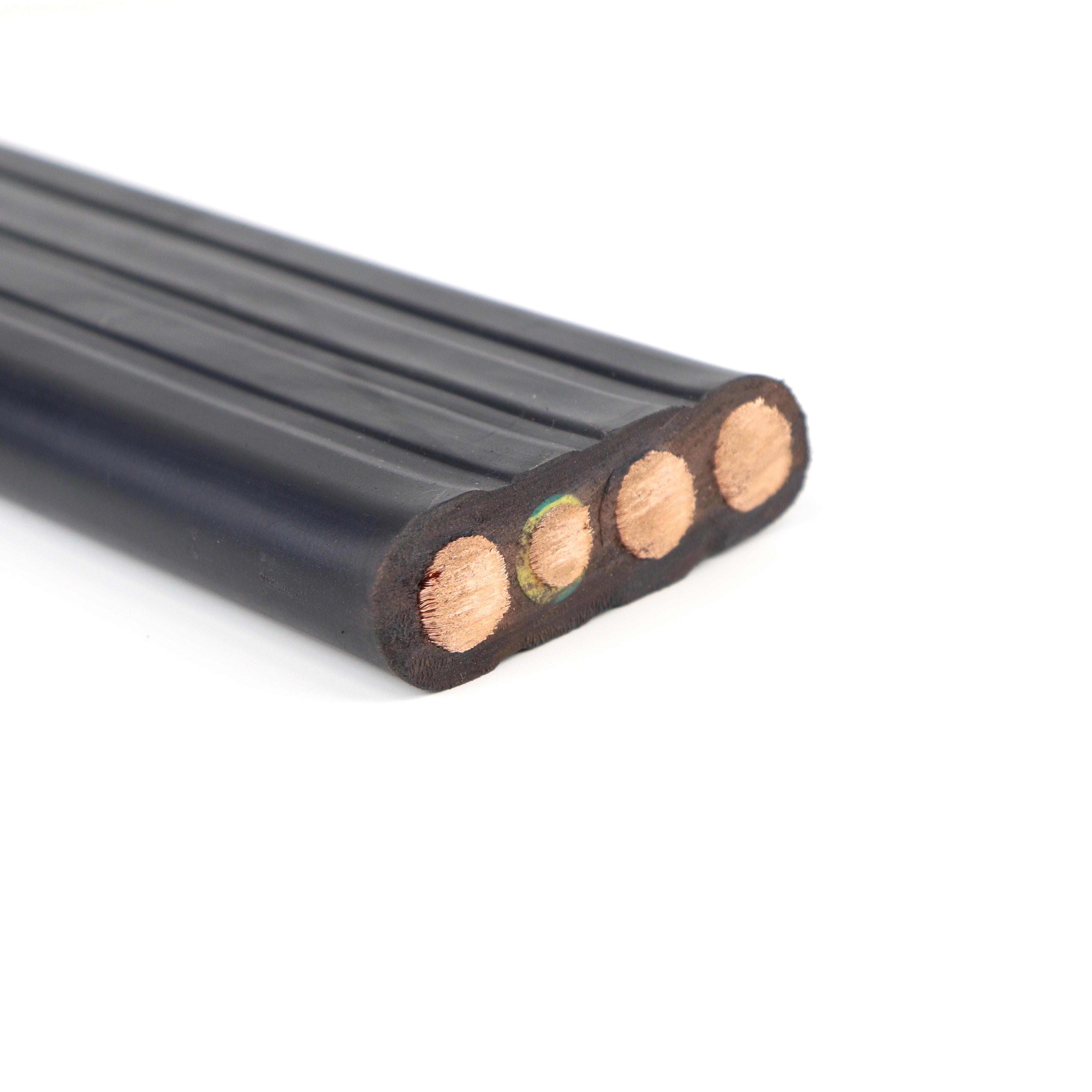
Matching vehicle-to-load output to appliance demand starts with the complete power path, not the cable alone. A practical appliance power matching process checks the vehicle outlet, adapter, export connector capacity, and appliance rating together. An EV cable must suit its intended electrical role; it cannot raise the vehicle’s available output or make an incompatible connection safe.

The right match is the load that stays within every documented limit during normal operation and startup. For vehicle to load use, confirm the vehicle’s output specification first, then compare it with the appliance’s voltage, current, and power needs. This sequence prevents a high-rated component from being mistaken for proof that the whole system can supply the same capacity.
Establish the available output before choosing a load
Read the vehicle and connector ratings as a system
Begin with the vehicle manual or the markings on its approved output equipment. Vehicle to load describes energy export from a vehicle, but the permitted voltage and current depend on that vehicle and its interface. Check whether the stated limit applies per outlet or to all outlets combined. Export connector capacity is only one part of the maximum usable output.
Record the voltage, maximum current, and any stated continuous power limit before evaluating an appliance. Appliance power matching means comparing like units: watts with watts, volts with volts, and amperes with amperes. If a rating is unclear, do not infer it from the connector’s appearance. The vehicle specification, adapter rating, and export connector capacity must all be compatible.
Use power calculations without overlooking limits
For a simple single-phase load, watts are approximately volts multiplied by amperes. This gives a useful screening calculation, not permission to exceed a marked limit. Vehicle to load output may be capped by the onboard inverter, a socket, or protective controls. Appliance power matching should therefore use the lowest applicable rating, rather than a theoretical figure calculated from voltage alone.
For example, if an appliance label gives its operating watts, compare that value with the vehicle’s continuous output and the adapter’s rating. Leave allowance when the manufacturer specifies derating or environmental restrictions. Export connector capacity does not guarantee equal capacity at the vehicle outlet, and a cable rating cannot increase the system limit. Use the figures in the applicable manuals.
Account for appliance behavior and combined demand
Include startup current and continuous operation
Some motors, compressors, pumps, and power tools draw more current briefly at startup than during steady operation. A load that appears acceptable by its running-watt label may therefore trigger protection or exceed an output limit when switched on. Vehicle to load planning should check starting requirements where the appliance documentation provides them, not just its typical running draw.
When startup demand is missing from the label, consult the appliance manual or its manufacturer rather than guessing. Appliance power matching must consider both the sustained load and the short-duration starting demand, while staying within the vehicle’s documented capabilities. Export connector capacity remains a ceiling, not a reserve that can be borrowed for a surge beyond the system rating.
Calculate simultaneous loads and operating conditions
If several appliances run together, add their expected demand and include loads that cycle on and off. A refrigerator, charger, and lighting circuit may each be modest alone, yet overlap at an inconvenient moment. Vehicle to load output should be checked against the combined demand, and appliance power matching should reflect the actual operating plan rather than the sum of isolated best-case estimates.
Also check whether the vehicle divides power among multiple outlets or limits total export regardless of how many connectors are used. Export connector capacity can differ from the vehicle-wide limit, so confirm both before adding another appliance. Temperature, ventilation, and duty-cycle instructions may affect permitted operation; follow the equipment manuals instead of assuming a rating applies in every condition.
Verify the complete connection before operation
Check cable, adapter, and protection compatibility
Confirm that each cable and adapter is intended for the relevant voltage, current, connector type, and use. An EV cable designed for charging is not automatically an approved vehicle-to-load lead. Vehicle to load requires the correct export interface, and appliance power matching does not replace checking connector pinout, protective features, and the equipment maker’s permitted configuration.
Inspect the cable and plug for damage, contamination, loose fit, or signs of overheating before use. Keep connections dry and positioned as directed, and do not use improvised adapters or exposed conductors. Export connector capacity matters only when the complete connection is rated for the application. If instructions conflict or a rating cannot be verified, stop and obtain qualified guidance.
Apply a practical go or no-go decision
A suitable setup has documented ratings for the vehicle output, export connector capacity, adapter, and cable, with the appliance’s continuous and startup demands within the lowest applicable limit. Appliance power matching also requires the correct voltage and an approved connection method. If any one value is unknown, treat the match as unconfirmed rather than relying on a successful test run.
Before connecting, switch off loads where practical, make the approved connection in the prescribed order, and monitor for warning indicators, unusual heat, odor, or interrupted output. Vehicle to load equipment may stop export when a protection limit is reached; do not repeatedly reset it without finding the cause. Disconnect and investigate if operation appears abnormal.
FAQ
Can a higher-rated cable increase vehicle output?
No. A cable does not increase the vehicle’s available power. Vehicle to load output remains limited by the vehicle and approved interface, while export connector capacity and cable ratings set additional boundaries. Appliance power matching must use the lowest verified limit across the entire path.
Should appliance startup watts determine the match?
Check startup demand as well as running demand, particularly for motor-driven equipment. Vehicle to load output must support the operating conditions allowed by the vehicle documentation. Compare the appliance’s stated startup needs with export connector capacity, and do not assume a brief surge is acceptable unless the equipment specifications permit it.
What should be checked when running multiple appliances?
Add the simultaneous loads, including appliances that cycle, and compare the total with the vehicle-wide continuous limit. Appliance power matching should also account for startup overlap and any outlet sharing restrictions. Confirm export connector capacity and the approved connection method before operation; reduce the load if any limit is unclear or exceeded.

 EN