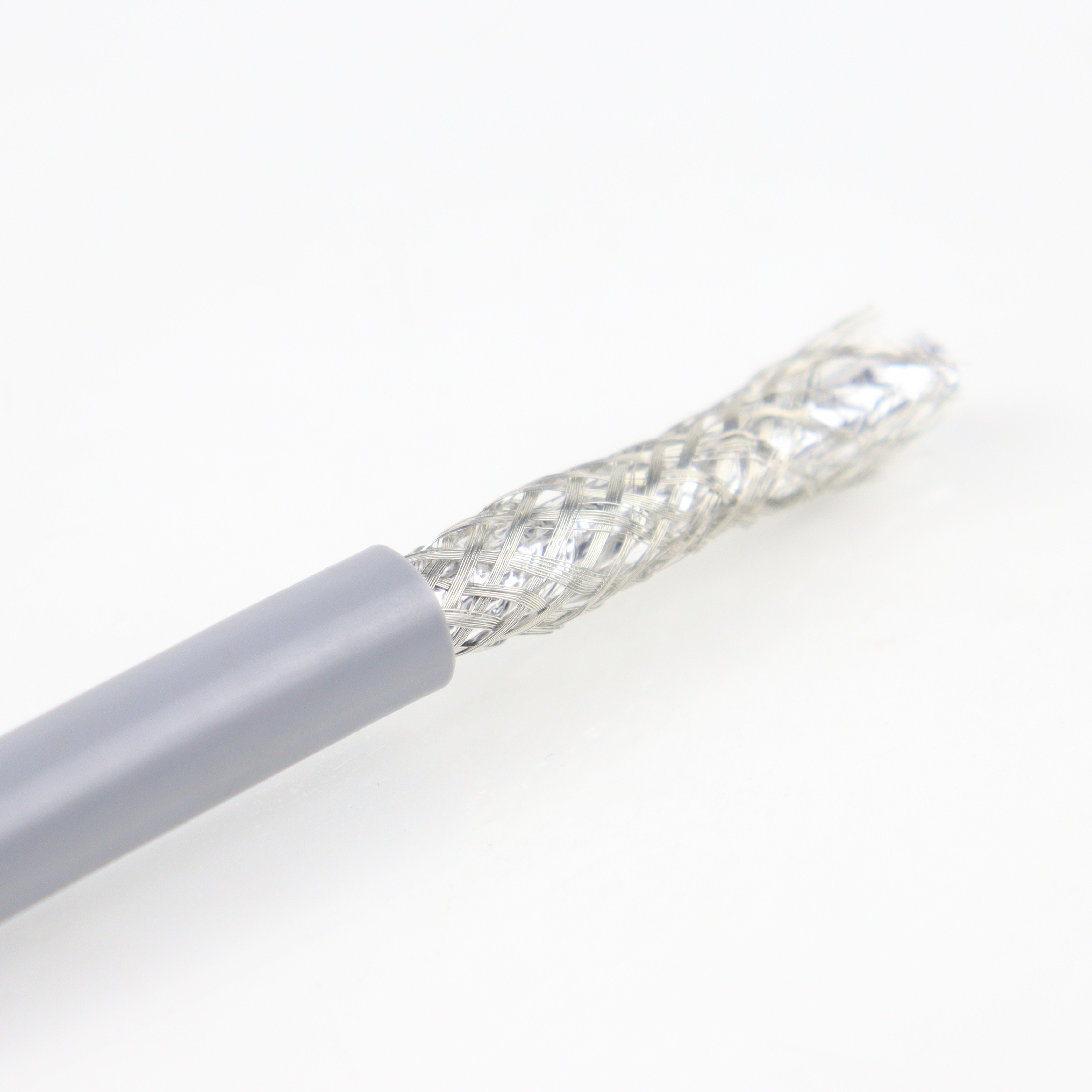
A broadcast camera link must carry video and control signals reliably while a camera operator moves through a studio, venue, or outside broadcast location. A Fiber Optic Cable path can support high-capacity signal transmission, while a hybrid fiber copper assembly combines optical pathways with conductors for power or other electrical functions. The practical result depends on routing, connector design, and camera mobility constraints, not just the cable specification.
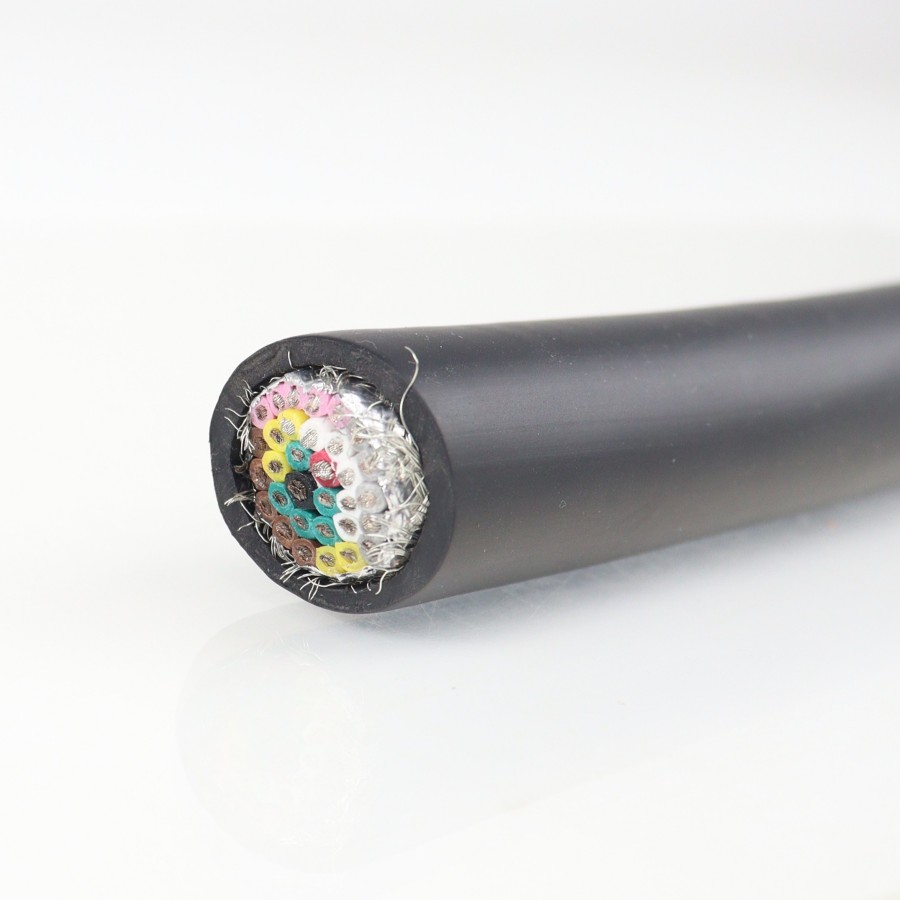
The key is to treat the cable and the camera’s movement as one system. Broadcast camera links can be affected by cable weight, bend radius, connector retention, and the distance between camera positions and equipment areas. A hybrid fiber copper assembly may simplify how power and data reach a camera, but camera mobility constraints still determine whether the setup is comfortable, safe, and dependable during a production.
How hybrid construction changes the camera link
Separate signal and power functions in one route
An optical pathway carries data as light, while copper conductors carry electrical power or signals that the camera system requires. Combining them in a hybrid fiber copper assembly can reduce the number of separate cable runs between a camera and its supporting equipment. For broadcast camera links, that can make deployment easier to manage, particularly where several camera positions share a controlled cable path. It does not remove the need to confirm that each component matches the camera and production equipment.
A Fiber Optic Cable is valuable where signal capacity, electrical isolation, or a long route is part of the design brief. The copper portion must be sized and configured for the intended electrical load, while optical connectors must suit the interface and handling conditions. A hybrid fiber copper assembly should therefore be reviewed as a complete connection rather than judged by its optical element alone. Broadcast camera links work as intended only when power, data, connectors, and equipment compatibility are considered together.
Account for cable handling and interfaces
The combined construction changes the physical feel of a cable. A hybrid fiber copper assembly may be thicker or less flexible than a separate lightweight optical lead, depending on its components and jacket. That difference matters at camera backs, floor crossings, cable ramps, and points where operators need slack to pan or reposition. Camera mobility constraints become more noticeable when the cable is repeatedly bent, pulled, or caught around support equipment.
How mobility affects routing and operation
Plan for the camera’s full movement envelope
Map the movement the camera must make before choosing a route. Include pan and tilt, pedestal travel, handheld movement, crane travel, and transitions between operating positions. Camera mobility constraints are not limited to maximum distance; they include the cable’s changing angle, slack requirements, and contact with the floor or rig. When planning broadcast camera links, teams should verify that the path remains clear at every planned position, rather than checking only the camera’s starting point.
A hybrid fiber copper assembly can streamline a route, but its mass and bend behavior may affect how the cable follows a moving camera. Check the minimum bend radius specified for the assembly and avoid tight turns near connectors. Camera mobility constraints should inform where to place strain relief and where to reserve controlled slack. For broadcast camera links, a route that looks tidy at rest may still pull on a connector when a pedestal reaches its limit or a camera operator turns quickly.
The same planning applies to crossings and elevated runs. Protect the path from foot traffic, moving carts, and edges that could abrade a jacket; keep overhead cable supported so its weight does not load the camera connector. Broadcast camera links are easier to troubleshoot when routes are visible, documented, and separated from hazards. If mobility requirements change during a show, check the new path for snag points and tension before operating at full range.
Balance reach with manageable slack
Too little slack can transfer movement force to the camera interface, while uncontrolled excess can form loops that catch on equipment or people. Determine the useful working length from the camera’s actual travel and the location of the connection point. A Fiber Optic Cable should not be used as a handle or pulled to reposition a camera. The hybrid fiber copper assembly also needs support that avoids crushing or sharply folding either its optical or copper elements.
How to specify and verify a dependable setup
Match the assembly to the equipment and environment
Start with the camera and base station interfaces, required power, signal format, cable length, and connector types. Confirm that the hybrid fiber copper assembly supports the system’s electrical and optical requirements, and check its permitted bend radius, temperature range, and handling guidance. Broadcast camera links in a temporary venue may face frequent deployment, while a studio installation may prioritize fixed routing and accessible service points. Those use conditions affect the appropriate construction.
Inspect connector protection, strain relief, jacket condition, and any designated cable markings before use. Verify optical continuity and the electrical functions using procedures suitable for the equipment, then test the complete link with the camera operating. Camera mobility constraints should be tested during this verification, not assumed away: move through the required positions while monitoring the image, control response, and cable tension. Repeat the check after any route or camera configuration changes.
Use operating checks to reduce avoidable failures
A useful pre-production check confirms that connectors are clean and fully seated, the cable is supported, and no bend or pinch point exceeds the assembly’s guidance. Record the route and note where camera movement requires slack. Broadcast camera links should be observed during rehearsals, because movement can reveal a snag or intermittent connection that a stationary test will miss. A hybrid fiber copper assembly deserves careful handling at both connector ends, where pulling force can compromise a stable connection.
After the production, inspect the jacket and connectors before coiling the cable according to its handling instructions. Keep storage and transport from placing heavy loads on the assembly, and document any recurring movement restriction or signal interruption. These habits help teams distinguish a routing issue from an interface or equipment issue. They also make future setup faster because camera mobility constraints and proven cable paths are captured as practical operating information.
FAQ
Can one hybrid cable support camera power and video?
It can combine optical transmission with copper conductors, but suitability depends on the camera system, power requirements, interfaces, and cable specification. Confirm compatibility before using it for broadcast camera links.
Does a hybrid assembly always improve camera movement?
No. Fewer separate runs may simplify routing, but the assembly’s weight, diameter, flexibility, and bend limits can affect movement. Evaluate camera mobility constraints through the full operating range.
What should be checked before a production?
Check connector condition, signal and power function, cable support, routing hazards, and movement-related tension. Test the complete link while the camera moves through its planned positions.

 EN