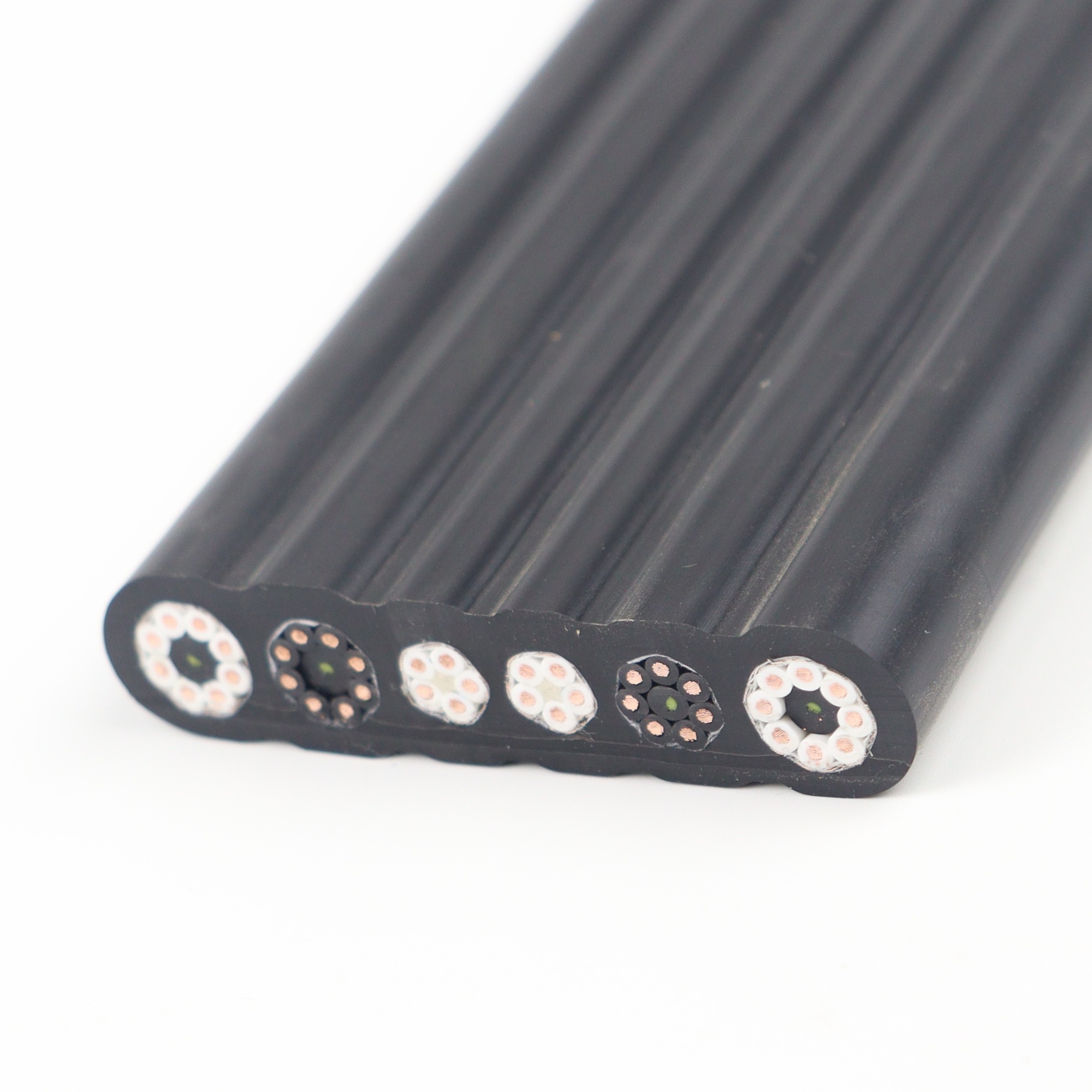
In wearable devices, cable construction influences comfort, movement, and the quality of sensor readings. Flat Cable can suit compact lead paths, but its effect depends on how the design balances conductor layout, lightweight insulation, and the movement expected in service. For engineers specifying wearable sensor leads, those choices matter as much as the connector and sensor interface.
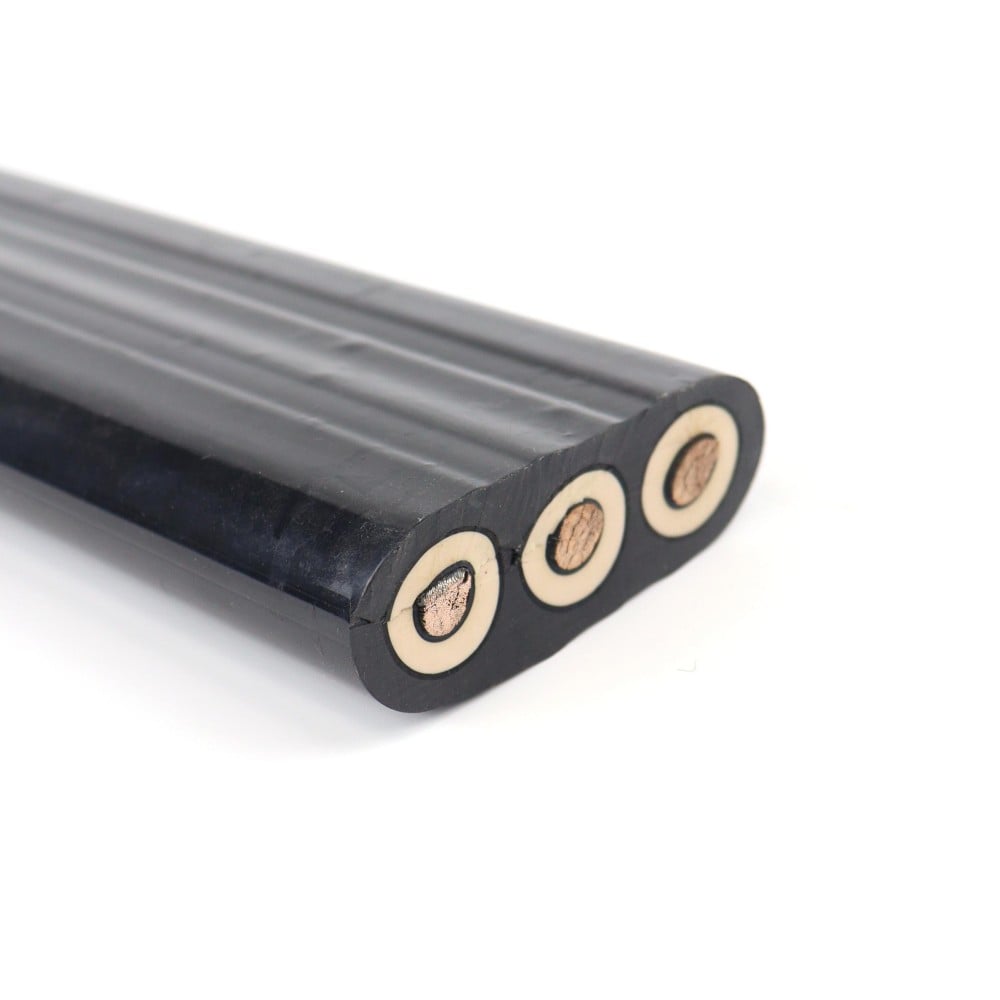
The key is to evaluate the cable as part of the complete sensing system rather than assume a flatter profile guarantees better performance. Lightweight insulation can reduce bulk, while poor routing or unsuitable electrical design can still create signal dropout causes. The following guidance explains how insulation and signal integrity affect wearable sensor leads, and what to check before selecting a cable.
How cable geometry affects wearable integration
Profile, routing, and movement
A flat profile can help wearable sensor leads pass through narrow channels, garment seams, or enclosures where round cable creates unwanted bulk. Its predictable width may also make routing easier to plan. However, a flat cable bends most naturally along a preferred plane, so designers should confirm that the real movement path does not repeatedly twist it. Such twisting can stress conductors and insulation over time.
Lightweight insulation can reduce the material surrounding a lead and help limit stiffness or weight near a sensor. The practical benefit depends on the required dielectric protection, abrasion resistance, and environmental exposure. When specifying lightweight insulation, review the full assembly, including strain relief and attachment points. A reduced cable mass cannot compensate for a construction that rubs against skin, fabric, or a moving enclosure.
Fit with the sensing assembly
Wearable sensor leads must connect reliably to small sensors while tolerating repeated movement. Flat Cable may support an orderly arrangement of conductors, but the conductor spacing and insulation dimensions must match the electrical and mechanical requirements. Signal dropout causes can emerge at transitions between a flat section and a connector, particularly when a stiff termination concentrates bending at one point.
A design review should map the cable path from sensor to processing unit and identify where the assembly flexes, pulls, or contacts the wearer. Lightweight insulation is most useful when its reduced bulk remains compatible with the route and the required protection. Wearable sensor leads should also be checked in the intended garment or housing, since a comfortable bench setup may behave differently during actual movement.
How insulation choices influence performance
Balancing low mass with protection
Insulation selection affects flexibility, electrical separation, and resistance to wear. Lightweight insulation may help a wearable assembly feel less cumbersome, but engineers must define what the cable encounters: sweat, cleaning agents, sharp edges, heat, or repeated contact with fabric. A material choice should be assessed against those conditions rather than judged by thickness alone.
For wearable sensor leads, the best balance is the lightest construction that still meets documented electrical and mechanical needs. Compare the required voltage rating, conductor arrangement, bend conditions, and service environment. Lightweight insulation should not be treated as a shortcut to flexibility, because the conductor, jacket material, and cable width all contribute to bend behavior and handling.
Signal dropout causes are not always electrical faults inside the cable. A conductor can remain intact while movement changes a connector contact, loosens a termination, or pulls a sensor interface out of position. Testing should therefore include the cable and its connections as one assembly. Repeated flexing, gentle pulling, and operation in the expected routing position can reveal issues that a static continuity check misses.
Wearable sensor leads also need suitable insulation at transitions and exposed sections, where rubbing or bending may be concentrated. Specify how the cable will be secured, and avoid sharp bends at the sensor end. Lightweight insulation can support a compact design, but adequate strain relief and stable attachment are essential to keep movement from transferring excessive force to conductors or contacts.
Electrical behavior and signal integrity
Electrical suitability depends on the signal type, conductor geometry, cable length, and nearby sources of interference. A flat layout can make conductor positions clear, yet it does not automatically prevent interference or signal loss. To investigate signal dropout causes, check grounding, shielding needs, connector quality, and the separation of sensitive sensor signals from power conductors.
A useful review starts with the sensor’s output characteristics and the receiving circuit’s requirements. Then verify that wearable sensor leads maintain the intended electrical path as the user moves. Documenting the cable route and connector arrangement makes troubleshooting more systematic. If the reading changes only during motion, inspect mechanical strain and contact stability before assuming lightweight insulation or conductor material is the sole cause.
How to assess dropout risks before selection
Test the real movement and environment
Signal dropout causes are easier to isolate when testing reproduces the intended use. Move the assembly through representative bends, twists, and stretches while monitoring sensor output and connection continuity. Include the garment, enclosure, or wearable fixture because these surrounding parts can pinch or redirect a cable. A controlled test helps distinguish a routing problem from an electrical compatibility issue.
Check for intermittent readings at connectors, solder joints, and transitions between cable and sensor. Wearable sensor leads should be assessed after repeated movement, not only when new and lying straight. Lightweight insulation may preserve a flexible feel, but inspect it for cuts, compression, and abrasion after testing. Record the conditions and symptoms so design changes address a demonstrated failure mode.
Use a structured selection decision
Choose a cable only after defining the movement envelope, routing space, signal requirements, and exposure conditions. Flat Cable is worth evaluating when a consistent width helps fit the available path, but verify that the cable can bend in the required direction without recurring torsion. The product specification and sample evaluation should support the intended application rather than rely on a general description.
When signal dropout causes remain uncertain, change one factor at a time during testing: routing, attachment, connector support, or electrical layout. This avoids masking the source of the problem. For wearable sensor leads, capture both comfort and signal observations, since added restraint might stabilize a connection but make the assembly less practical to wear. The final design should meet both requirements in its operating configuration.
FAQ
Does a flat profile automatically improve wearable comfort?
No. A flatter route may reduce bulk in a narrow space, but comfort also depends on cable stiffness, edge contact, attachment, and movement. Evaluate wearable sensor leads in the intended garment or enclosure and confirm that lightweight insulation provides appropriate protection without creating an uncomfortable or fragile assembly.
What should be checked first when readings cut out during movement?
Inspect connectors, terminations, strain relief, and the cable route while reproducing the movement that triggers the fault. These checks can reveal mechanical signal dropout causes before more complex electrical investigation. Also verify that the sensor interface remains secure and that the cable is not pinched or sharply bent.
Can lightweight insulation be used in every sensor application?
No. Its suitability depends on electrical ratings, abrasion, moisture, cleaning exposure, and expected flexing. Select lightweight insulation only after reviewing those conditions alongside the sensor’s requirements. Testing the complete cable assembly in its real route helps confirm that the choice supports both protection and reliable operation.

 EN