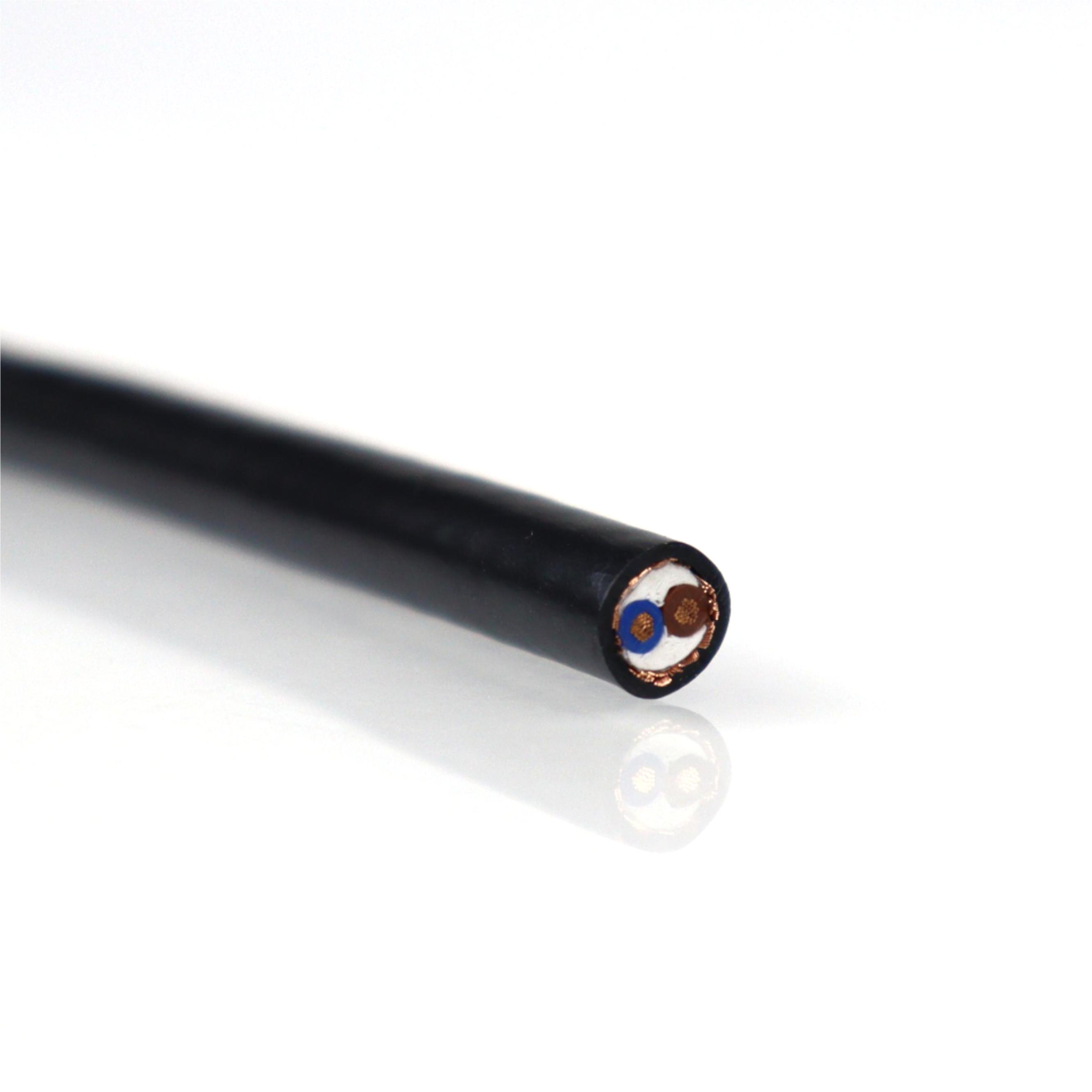
Engineers can balance twisted pair design and data integrity by treating the cable, connected equipment, and installation environment as one transmission system. In industrial control networks, selecting a Data Cable is not simply a matter of matching a connector or conductor size. Signal type, electrical noise, distance, routing, and maintenance access all affect whether the design delivers dependable communication.
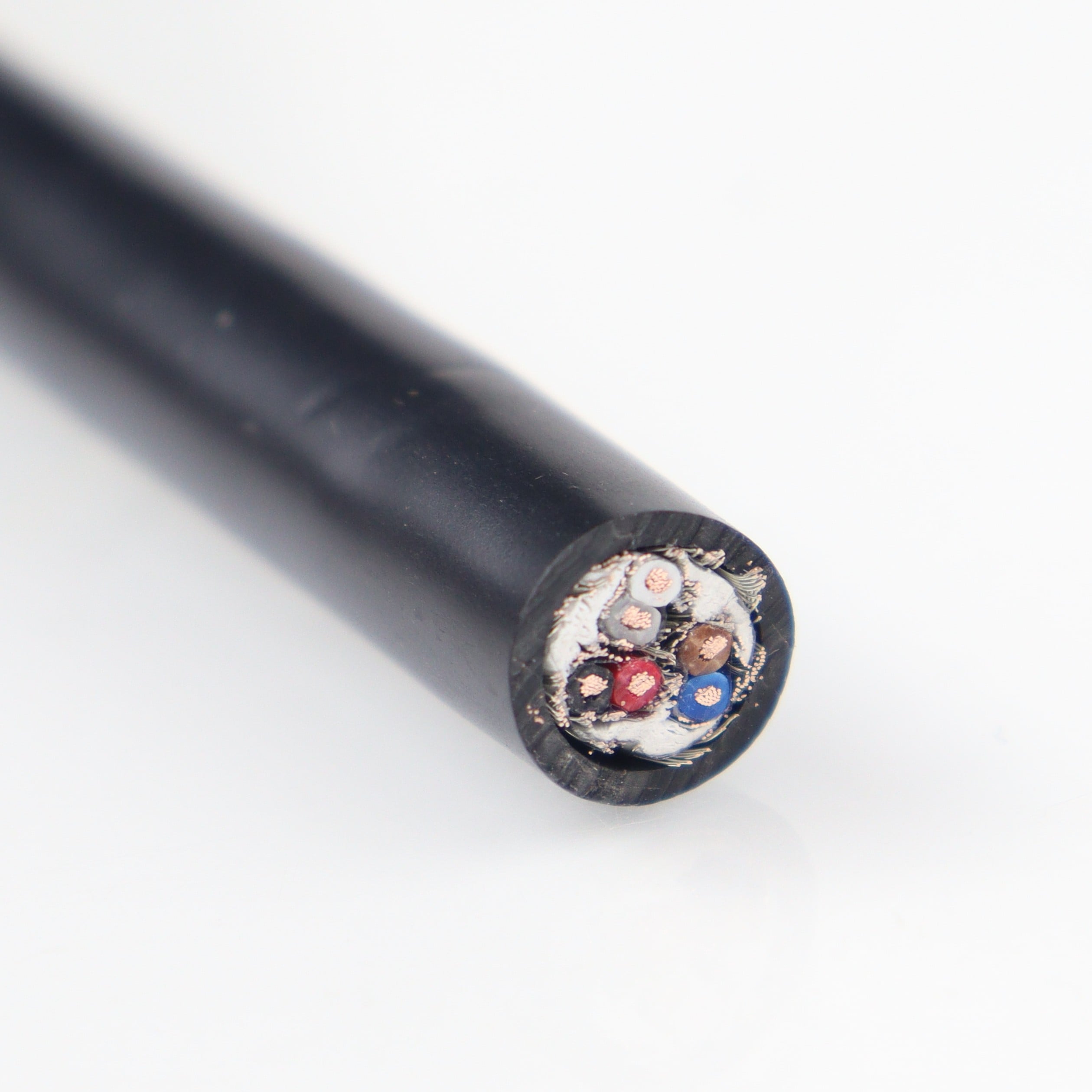
A practical design begins with the communication requirements and works outward to cable geometry, shielding, and installation rules. Strong data integrity depends on preserving signal quality from transmitter to receiver, while twisted pair design helps limit interference when conductors are exposed to changing fields. The goal is not maximum complexity, but a coordinated design that fits the actual operating conditions.
Define the transmission conditions first
Match cable construction to the signal
Before choosing a cable, establish the protocol, signaling method, data rate, maximum route length, and number of connected devices. These details determine the electrical characteristics the channel must support. In industrial control networks, a design that ignores these requirements can create reflections, excessive attenuation, or timing errors even when every individual component appears suitable.
Twisted pair design should be evaluated against the signal rather than selected as a generic construction. Pair geometry, conductor size, insulation, and electrical balance influence how a differential receiver distinguishes the intended signal from common-mode noise. For a Data Cable route carrying low-level communication beside power equipment, the design team should verify the cable characteristics against the interface requirements and expected distance.
Map sources of noise and route exposure
Document where the cable will pass, what equipment operates nearby, and whether the route enters cabinets, trays, or moving machinery. Drives, switching devices, motors, and relay circuits can introduce electromagnetic interference. Twisted pair design reduces the area exposed to induced noise, but it cannot compensate for every routing problem or a poorly bonded shield.
The industrial control networks layout should identify long parallel runs with power conductors, crossings, and transitions between enclosure and field wiring. Where separation is limited, engineers can specify a suitable shield, improve routing distance, or cross noisy circuits at right angles where practical. These decisions protect data integrity by addressing interference at its source instead of relying on troubleshooting after commissioning.
Coordinate pair geometry, shielding, and termination
Preserve balance through the complete channel
A cable pair works as a balanced path only when installation preserves its geometry. Keep untwisted conductor length short at terminals, avoid unnecessary pair separation, and follow the interface guidance for termination. Twisted pair design loses part of its noise-rejection benefit when conductors are untwisted over long distances or connected with inconsistent practices across industrial control networks.
The engineering specification should state how pairs are assigned, identified, and terminated, especially where multiple communication channels share a cable. It should also define acceptable bends and strain relief so conductors are not damaged during pulling. These practical controls support data integrity by making the installed channel resemble the electrical path assumed during design.
Use shielding as a system decision
A shield can reduce coupling from external electrical noise, but its value depends on the interference environment and the grounding strategy. Select shield construction based on the installation and equipment requirements, then establish how the shield will be bonded at each end. Unplanned grounding can create unwanted current paths, so the approach must be consistent with the control system design.
Engineers should treat the shield, enclosure, connector, and bonding hardware as parts of one noise-control path. A shielded Data Cable with a floating or poorly terminated screen may not provide the intended protection. In industrial control networks, clear drawings and installation notes help technicians apply the same bonding method throughout the route and preserve data integrity.
Verify installation and maintain signal quality
Turn design assumptions into field checks
Commissioning should confirm that the installed cable matches the approved route, construction, and termination plan. Inspect pair identification, shield continuity where required, connector seating, bend radius, and separation from noisy circuits. These checks reveal installation defects before intermittent communication becomes difficult to reproduce under operating conditions.
Testing should reflect the interface and protocol, rather than relying on a basic continuity check alone. Verify the relevant electrical parameters and review communication diagnostics during realistic equipment operation. Twisted pair design provides a foundation, but measured performance in the finished installation is what demonstrates whether the channel meets its intended use.
Plan for change, service, and future expansion
A route that works during initial startup can be affected later by added drives, relocated equipment, or cable repairs. Record cable paths, pair assignments, shield bonds, and test results so maintenance teams can identify the original design intent. In industrial control networks, traceable documentation reduces the risk that a service change will undermine data integrity.
When specifying replacement cable, compare its electrical construction and environmental suitability with the approved design rather than relying only on a similar appearance. Confirm that the Data Cable can handle the route conditions, including temperature, flexing, abrasion, and exposure to oils or chemicals where relevant. A controlled change process helps retain the balance achieved through twisted pair design.
The most useful design review brings controls, electrical, and maintenance personnel together before procurement and installation. Controls engineers clarify protocol needs; electrical teams identify noise sources and bonding practices; maintenance staff explain access and repair realities. In industrial control networks, this shared review can surface conflicts early, support consistent twisted pair design, and protect data integrity over the operating life of the system.
FAQ
Does twisted pair design eliminate electrical interference?
No. Twisted pair design helps reduce the effect of coupled noise, but it does not remove every interference source. In industrial control networks, routing, shielding, grounding, and proper termination also matter. Confirm the full channel under expected operating conditions to assess data integrity.
When should engineers specify a shielded cable?
Specify shielding when the noise environment, interface guidance, or installation requirements call for it. Define how the shield is bonded and verify that connectors and enclosures support the approach. A shielded construction alone does not ensure data integrity or solve poor routing in industrial control networks.
What should be checked before approving a cable route?
Review signal requirements, route length, nearby power equipment, environmental exposure, and termination details. Confirm that twisted pair design and installation practices suit the application, then document the test criteria. This process helps protect data integrity and gives industrial control networks a maintainable communication path.

 EN