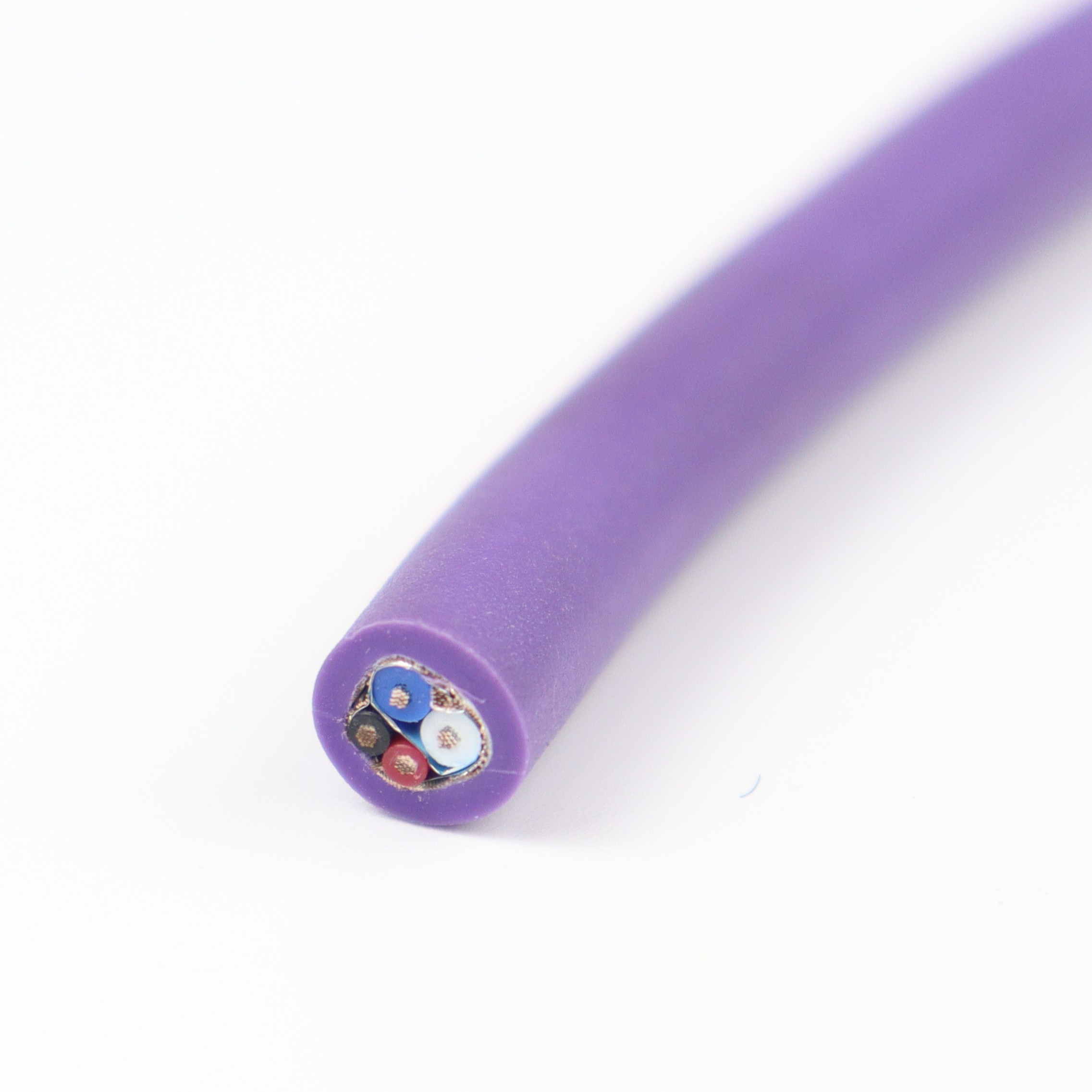
Planning a fiber network for seismic survey telemetry means coordinating channel demand with the realities of moving, installing, and recovering equipment in the field. Multi-channel optical capacity determines how much information the system can carry, while temporary deployment logistics shape the route, cable handling plan, and time available for setup. Treating those decisions together helps teams build a practical plan instead of specifying capacity in isolation.
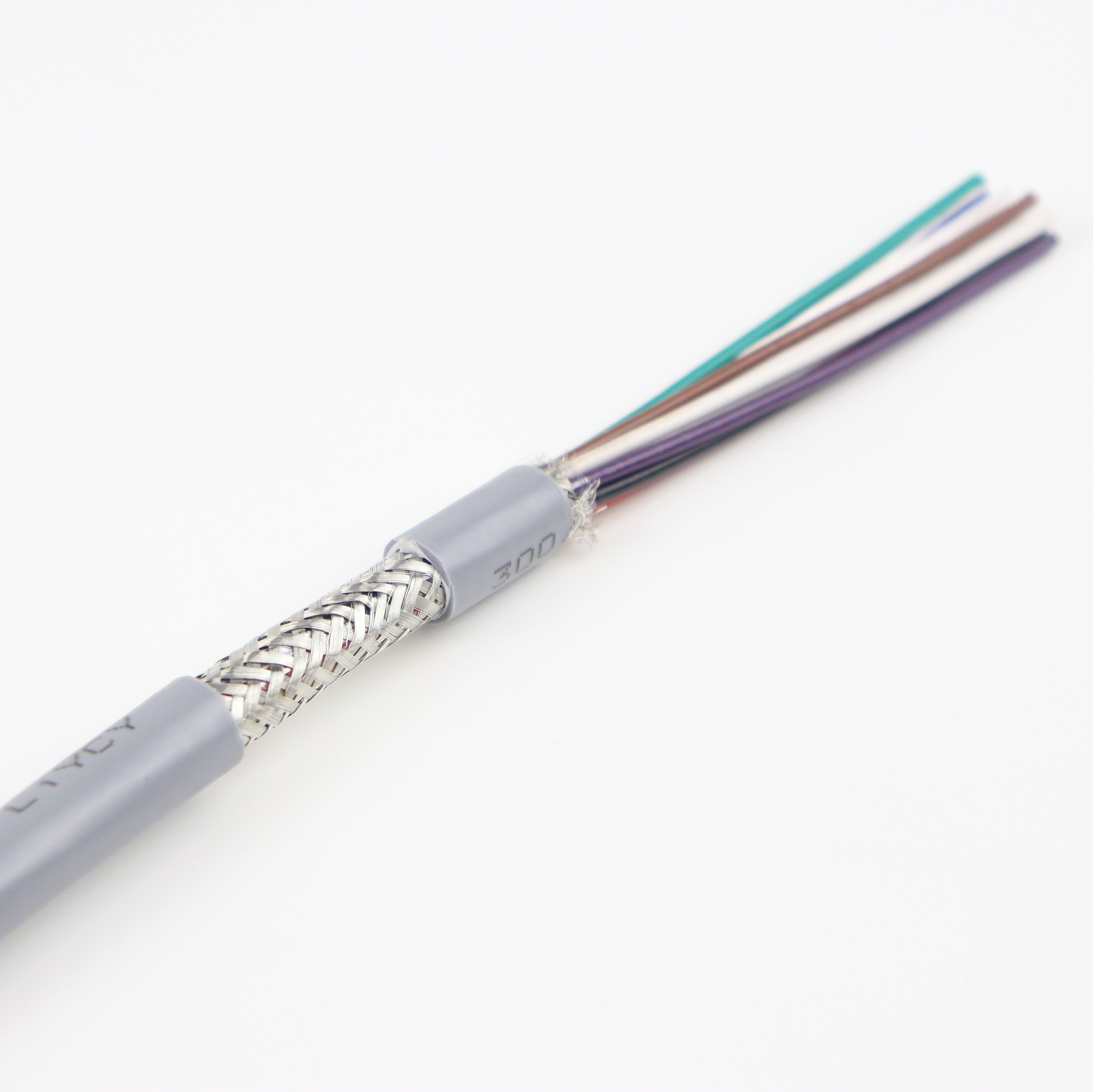
For seismic survey telemetry, the right Fiber Optic Cable plan starts with the survey design and ends with a defined recovery process. Multi-channel optical capacity should reflect sensor count, acquisition architecture, and expected data flow, not simply a maximum specification. At the same time, temporary deployment logistics affect cable lengths, connection points, protection, and crew workflow throughout the survey.
Translate Survey Requirements Into Capacity
Map sensors, channels, and data paths
Begin by documenting the sensors and acquisition nodes that need to communicate, then map how their data reaches recording equipment. For seismic survey telemetry, this map clarifies where links converge and where separate paths may be useful. Multi-channel optical capacity must match the actual channel architecture, while temporary deployment logistics determine whether those paths can be routed and connected efficiently across the survey area.
Distinguish channel count from overall data demand. A system may support many channels yet still need careful planning for traffic aggregation, link allocation, and equipment interfaces. Estimate the expected operating configuration and identify any planned expansion before choosing cable and network components. This keeps Fiber Optic Cable selection tied to defined system needs rather than a vague preference for the largest available capacity.
Allow for operational headroom
Capacity planning should account for normal operating conditions and credible changes, such as a revised sensor layout or a temporary reroute. For seismic survey telemetry, agree on which changes require a new connection plan and which can be handled within the initial design. Multi-channel optical capacity needs enough usable headroom for those changes without making temporary deployment logistics unnecessarily complex.
Record assumptions, including channel use, link destinations, and any spare paths. This information gives field and engineering teams a shared reference when conditions differ from the initial survey plan. It also helps confirm whether a proposed Fiber Optic Cable route can serve the intended endpoints while preserving the capacity required for acquisition and monitoring.
Design Around Temporary Field Conditions
Plan routes for access and protection
A route that looks direct on a drawing may cross vehicle lanes, uneven ground, work areas, or locations where crews need frequent access. During seismic survey telemetry planning, mark these constraints and identify crossings, changes in elevation, and points where cable may need added protection. Multi-channel optical capacity is useful only when the physical route supports dependable connections, and temporary deployment logistics should define who installs, checks, and protects each segment.
Choose a route that balances distance with safe handling and practical access. Avoid tight bends, tension, crushing, and repeated movement where the installation conditions allow. The required bend limits and handling instructions depend on the selected cable construction, so teams should confirm them against product documentation. This step makes Fiber Optic Cable routing more realistic and reduces avoidable disruption during setup.
Coordinate deployment sequence and interfaces
Set the installation sequence around survey equipment readiness, crew access, and connection locations. Temporary deployment logistics should specify when cable is unspooled, secured, tested, and connected, plus how changes are communicated. In seismic survey telemetry, clearly marked endpoints and consistent connector handling help reduce confusion when several recording nodes and sensor groups are deployed in parallel.
Check that the proposed optical interfaces, patching approach, and cable lengths work together before equipment reaches the field. Multi-channel optical capacity planning should identify which links serve each group and how spare capacity is assigned, if applicable. A route and interface plan that can be understood quickly helps crews troubleshoot connections without obscuring the system’s intended channel layout.
Prepare for Operation, Recovery, and Reuse
Verify the installed system before acquisition
Commissioning should confirm link continuity, endpoint identification, and the expected data path before recording begins. For seismic survey telemetry, testing should follow the actual deployed configuration rather than relying only on bench checks. Multi-channel optical capacity must be verified at the connections that carry the planned channel groups, while temporary deployment logistics should reserve time and access for inspection and correction.
Keep a simple route record showing cable segments, connection points, and any field changes. Labeling both ends consistently can make fault isolation faster when a link is interrupted. If Fiber Optic Cable is moved during operations, record the change and repeat appropriate checks before returning that segment to service. Clear documentation supports reliable handoffs across shifts.
Make recovery part of the original design
Recovery affects route choices from the beginning: a cable that is difficult to access, identify, or coil may slow demobilization and increase handling risks. Plan how temporary deployment logistics will protect ends, control coils, and separate reusable segments from damaged or unverified material. This is especially important when seismic survey telemetry equipment must be cleared promptly after acquisition ends.
After recovery, inspect cable condition, connectors, labels, and records before deciding whether components are ready for another deployment. Compare observed handling issues with the original route and capacity assumptions. Multi-channel optical capacity may remain suitable, but future planning can improve by adjusting segment lengths, connection placement, or crew procedures. A feedback loop turns each temporary installation into better-informed planning for the next survey.
FAQ
How should channel requirements affect cable planning?
Start from the sensor and acquisition architecture, then map channels to links and endpoints. Seismic survey telemetry requirements should guide multi-channel optical capacity, while temporary deployment logistics confirm that the mapped connections can be installed and accessed. Recheck the plan when the survey layout changes.
Why does route planning matter when capacity is sufficient?
Adequate multi-channel optical capacity cannot compensate for a route exposed to avoidable handling hazards or difficult access. For seismic survey telemetry, practical Fiber Optic Cable routing and clear temporary deployment logistics support setup, testing, and recovery without losing sight of system requirements.
What should teams include in recovery planning?
Define how teams will identify, inspect, coil, and document recovered segments. Temporary deployment logistics should include these steps before installation, and seismic survey telemetry records should capture route changes. Confirming multi-channel optical capacity and cable condition before reuse helps make the next deployment plan more precise.

 EN