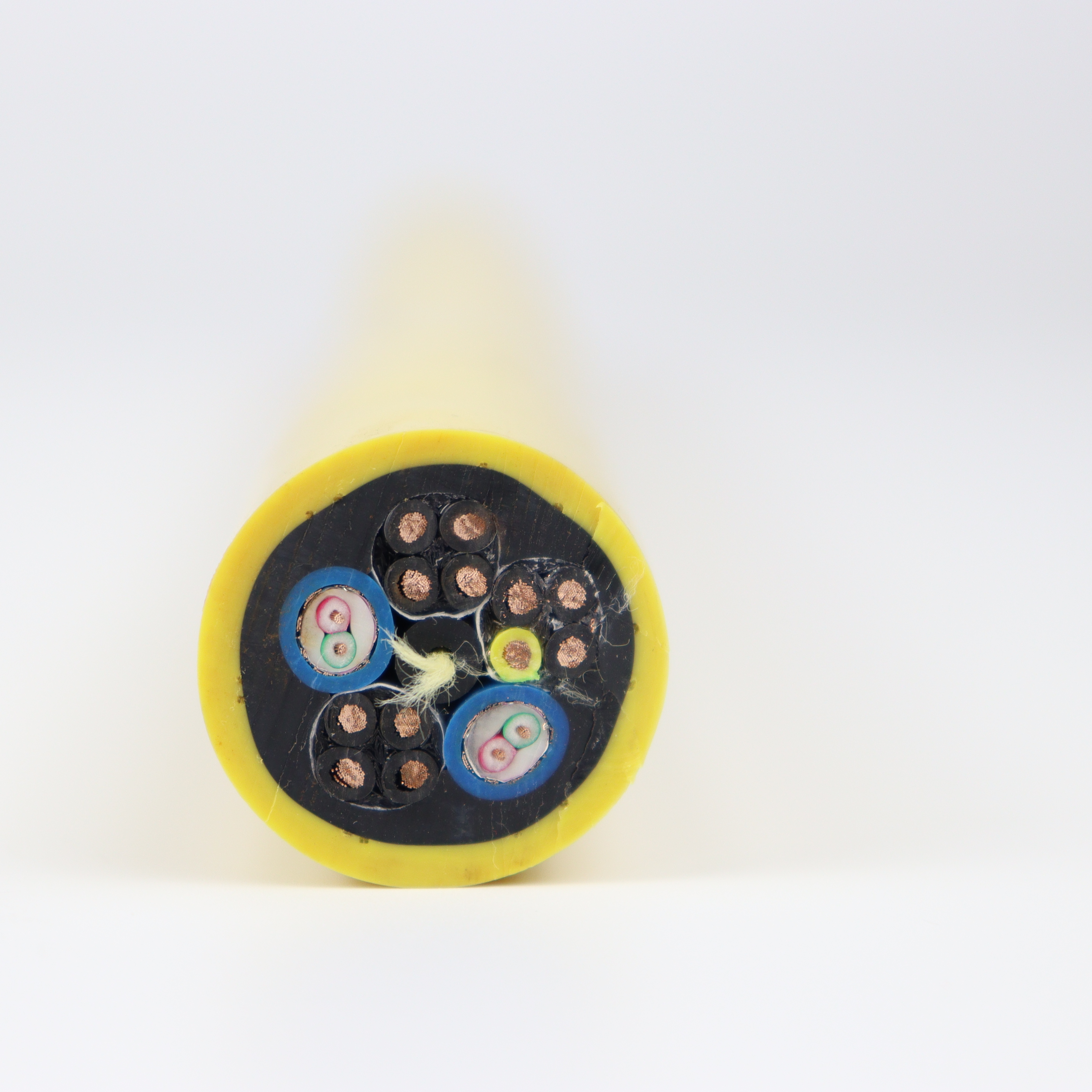
Balancing flex life with reliable signals is a design task, not a choice between cable flexibility and data integrity. In mobile equipment controls, a cable must tolerate repeated motion while maintaining stable electrical connections. Engineers can reduce communication dropout by coordinating cable construction, routing, shielding, and motion limits from the start.
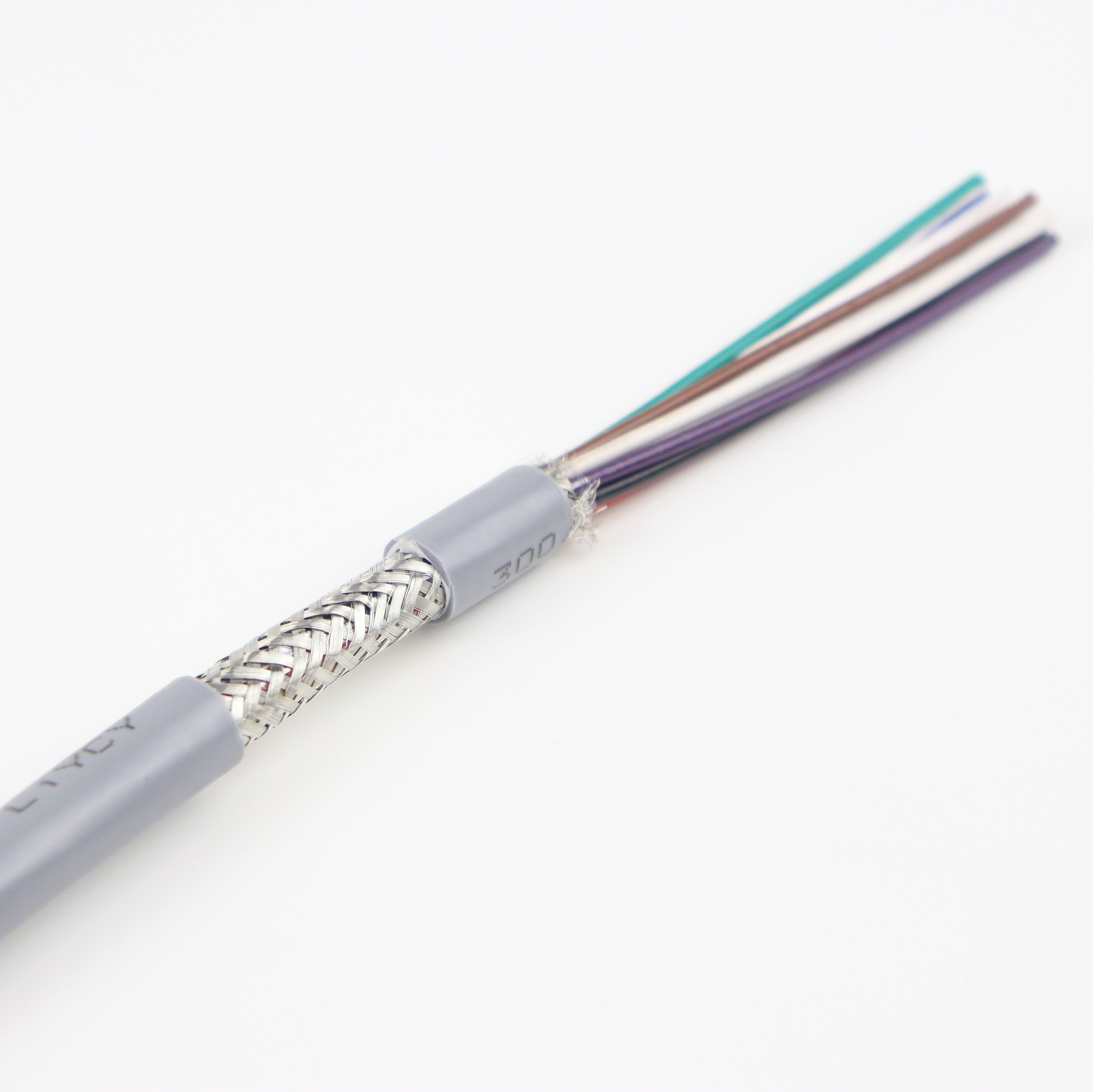
The right balance depends on how the machine moves, where the cable travels, and what data the control system needs. When engineers assess flex endurance alongside communication dropout risk, they can specify a suitable Data Cable and design its installation around actual operating conditions rather than relying on a cable rating alone.
Start with the movement and signal requirements
Describe the real motion profile
First, map the cable path through every operating position. Mobile equipment controls may involve continuous travel, occasional articulation, vibration, or a combination of these movements. Each pattern affects flex endurance differently, while changing bend geometry can also increase communication dropout risk. Record the movement range, cycle frequency, travel speed, and expected service environment before choosing a construction.
A drawing should show the tightest bend, moving attachment points, unsupported spans, and places where the cable can rub or snag. For mobile equipment controls, these details define the mechanical challenge more accurately than a general description such as flexible installation. Better path information helps engineers evaluate flex endurance and identify locations where movement could disturb the signal and cause communication dropout.
Set signal needs before choosing cable features
Next, identify the data rate, conductor arrangement, electrical interface, and noise conditions. Mobile equipment controls often route data near motors, drives, valves, and power conductors, so electromagnetic interference deserves attention. Those conditions may influence shielding, conductor pairing, and separation distances. A design that ignores the signal environment can experience communication dropout even when its flex endurance appears adequate.
Specify the acceptable signal behavior and operating limits with the system team. The cable should support the required transmission characteristics throughout the intended motion, not merely during a stationary bench check. For mobile equipment controls, this means considering flex endurance and communication dropout together: a robust electrical arrangement has little value if repeated bending damages the assembly, and a durable cable cannot compensate for a poor signal path.
Coordinate cable construction with installation
Match the construction to repeated bending
Select a cable construction for the actual type of movement rather than treating all flexible applications alike. Conductor stranding, insulation, jacket materials, shielding, and assembly geometry can affect handling and service behavior. In mobile equipment controls, engineers should compare these features against bend radius, travel, and cycling requirements. Flex endurance is a system-level outcome, not a guarantee based on one material or label.
Review the cable supplier's technical data and confirm that stated test conditions resemble the intended installation. A test with a different bend radius or motion pattern may not predict field results. This is especially important where mobile equipment controls combine vibration with repeated travel. The chosen Data Cable should suit the path and signal needs, helping preserve flex endurance without introducing avoidable communication dropout.
Protect the signal through thoughtful routing
Routing is often as important as cable selection. Keep data wiring separated from high-current conductors where practical, avoid sharp edges, and prevent contact with moving parts. In mobile equipment controls, clamps and guides should restrain the cable without pinching it or creating a new stress point. Good routing supports flex endurance and reduces opportunities for noise-related communication dropout.
Use a smooth, controlled path that respects the cable's specified bend radius throughout the complete machine cycle. Avoid excess slack that can loop into equipment, but do not pull the cable taut at an endpoint. For mobile equipment controls, strain relief at connectors and moving interfaces can limit load transfer. These measures protect flex endurance while helping keep the signal stable enough to avoid communication dropout.
Validate performance under representative conditions
Test combined motion and data transmission
A useful validation plan reproduces the installed route, movement, and signal activity as closely as possible. Test the cable while data is being transmitted, not only while the machine is stationary. Mobile equipment controls can expose weaknesses when vibration, bending, and electrical noise occur together. Monitoring communication dropout during cycling links the observed signal behavior to the mechanical conditions affecting flex endurance.
Define inspection points and acceptance criteria before testing begins. Check for jacket damage, loosened supports, connector strain, and changes in transmission quality at relevant positions. Engineers can then distinguish a routing fault from a cable construction issue. For mobile equipment controls, documenting these conditions makes flex endurance assessments more meaningful and gives the team evidence to investigate communication dropout rather than guessing at its cause.
Use field findings to refine the design
If a test reveals intermittent data, change one factor at a time where practical. Inspect connector termination, grounding, cable separation, and motion-induced strain before replacing components without diagnosis. On mobile equipment controls, a dropout that appears only at one travel point may indicate a local bend or pinch. Relating that event to flex endurance helps focus corrective work on the true mechanism.
After adjustments, repeat testing across the complete operating range and retain the updated route and settings in the design record. A Data Cable can only perform as intended when construction, termination, and installation work together. For mobile equipment controls, this disciplined loop helps protect flex endurance and verify that communication dropout is controlled under representative use.
FAQ
Can a flexible cable prevent every communication dropout?
No. Flex endurance addresses repeated mechanical movement, but signal interruptions can also stem from interference, grounding, connectors, or installation faults. Diagnose the complete circuit and motion path before changing cable specifications.
Which installation detail most often affects cable life?
Bend radius and strain relief are important starting points, but supports, abrasion, and travel geometry matter too. Inspect the full moving path through each operating position, including transitions near connectors.
When should engineers run a motion test?
Test during design validation whenever repeated movement can affect transmission. Recreate the intended route and operating cycle, monitor signal behavior, and use observed flex endurance conditions to refine the installation before release.

 EN