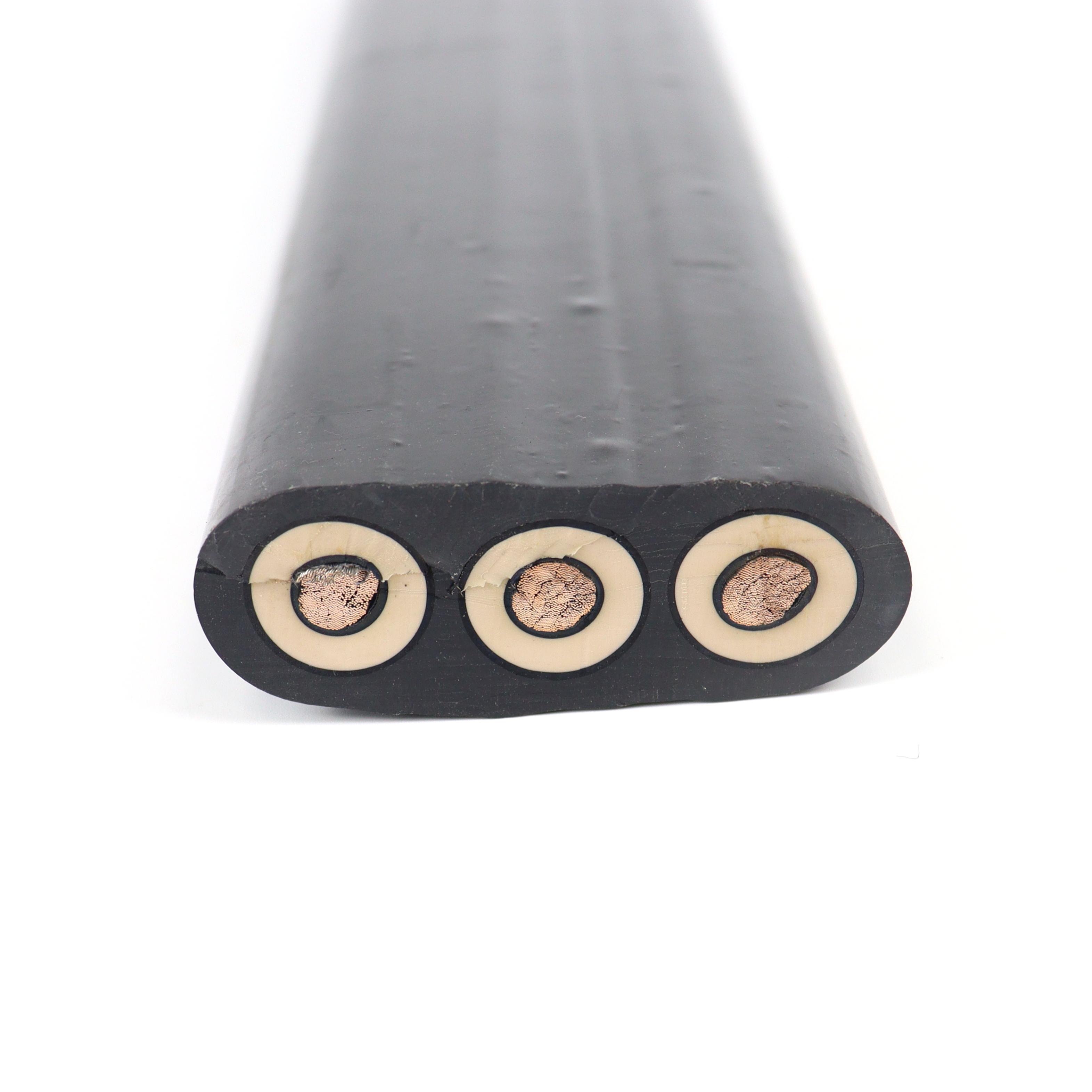
Designing wireless access point backhaul in a crowded building means balancing network capacity with the physical route available above ceilings. High-density fiber distribution can consolidate connections, but ceiling access constraints affect where pathways, enclosures, and service points can go. The practical design is the one that connects each access point while remaining installable, identifiable, and maintainable.
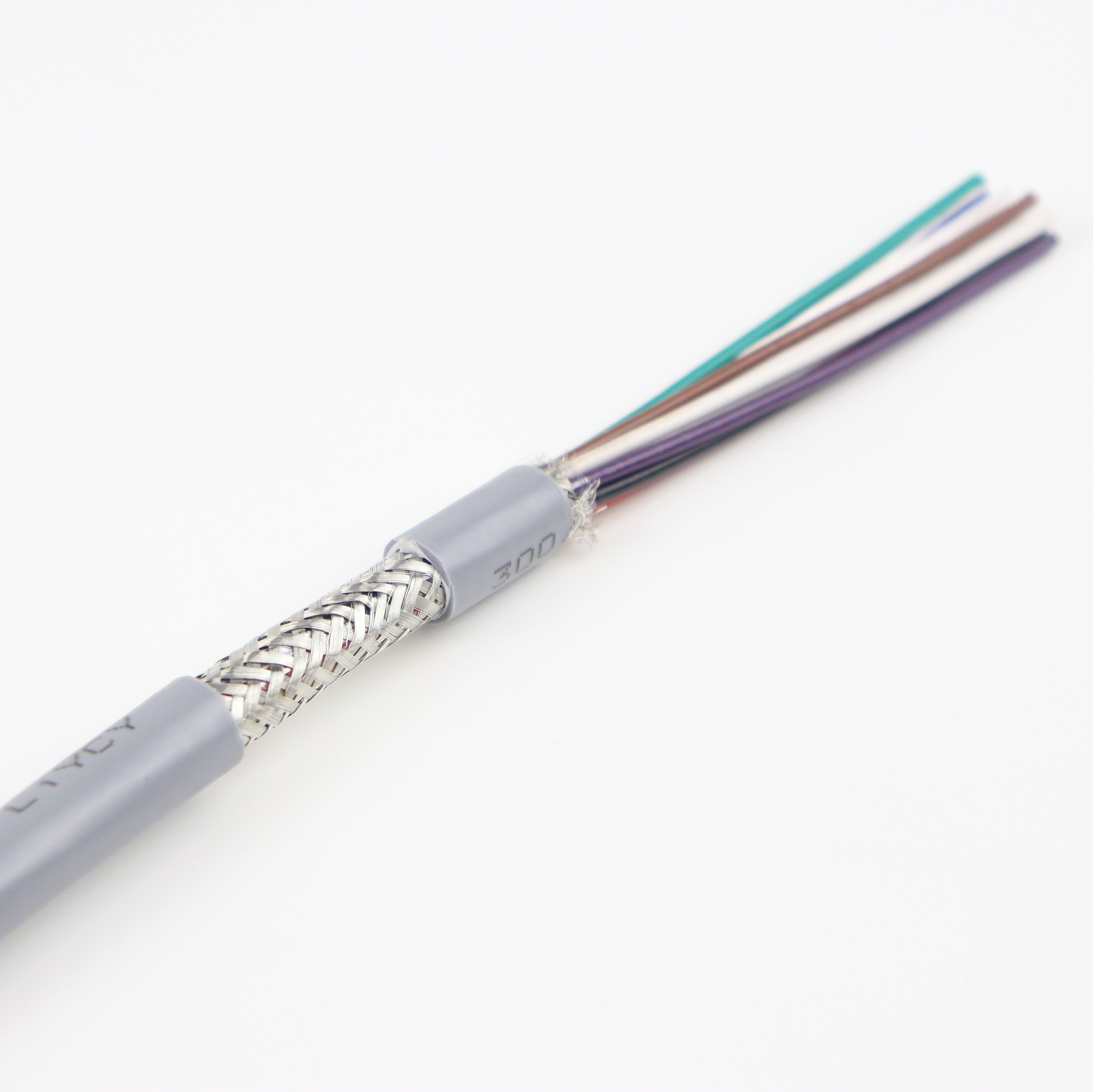
The relationship is sequential: map access point locations and pathway limits first, select a distribution approach second, then validate the cable route and service plan. High-density fiber distribution can reduce the number of separate backbone runs, while ceiling access constraints may require staged installation or carefully selected transition points. Treating these factors together avoids a design that looks efficient on a drawing but is difficult to build.
Start with access point locations and pathway reality
Translate coverage plans into backhaul endpoints
Wireless access point backhaul begins with an endpoint schedule, not a generic cable quantity. Confirm each planned radio location, its serving telecommunications room, and the expected pathway between them. For wireless access point backhaul, this map exposes long routes, crowded corridors, and areas where high-density fiber distribution may serve several endpoints from a shared pathway.
Next, compare the route on the reflected ceiling plan with the conditions above the ceiling. Ceiling access constraints may include fixed architectural finishes, congested trays, fire-rated barriers, limited ladder access, or rooms that cannot be disrupted during business hours. Record those limitations by location; high-density fiber distribution is useful only when its routes and termination points remain physically reachable.
Set route and service assumptions before specifying cable
Establish whether cable will follow tray, conduit, a raised floor, or another approved pathway, and identify every transition. Wireless access point backhaul planning should account for bend radius, pulling tension, separation from power where required, and the space needed to label and secure cable. Ceiling access constraints can change the route length and installation sequence, so avoid basing quantities solely on straight-line distances.
Clarify which parts of the path are backbone fiber and which are the final connection to an access point. A Fiber Optic Cable specification should identify its fiber type, connector approach, jacket requirements, and intended environment; adjacent copper control or data cabling needs separate evaluation. This distinction keeps high-density fiber distribution from being treated as a single, interchangeable cable choice.
Choose a distribution layout that fits the ceiling
Balance shared pathways with manageable branches
High-density fiber distribution groups many fibers in a compact route, which can help when trays or risers have limited capacity. For wireless access point backhaul, a shared backbone can feed local distribution points and shorter branches instead of running an individual long cable to every endpoint. The layout still needs enough pathway space for the cable bundle, supports, and any required separation.
The trade-off is concentration: a compact bundle can simplify routing, but its termination area needs deliberate planning. High-density fiber distribution works best when enclosures have room for slack management, labeling, and technician access without obstructing other services. Where ceiling access constraints prevent a reachable enclosure, place the distribution point in an accessible room or revise the branch design rather than hiding a service task above a sealed finish.
Coordinate termination, protection, and installation sequence
A practical wireless access point backhaul layout identifies where backbone fibers terminate, how branches are protected, and which party completes each connection. Specify compatible connectors and patching arrangements, then coordinate port capacity with the access point schedule. High-density fiber distribution should leave documented spare capacity, but unused fibers must be stored and labeled so future work does not disturb active links.
Construction sequencing matters when ceiling access constraints involve occupied offices, clean areas, or finished public spaces. Confirm access windows, ceiling tile handling, firestopping responsibility, and the order of pathway and cable installation before mobilization. Wireless access point backhaul can then be installed in planned zones, tested as sections are completed, and reconciled against drawings while routes are still visible.
Protect commissioning and long-term serviceability
Make testing and records part of the design
Define acceptance checks before pulling cable, including inspection, continuity, polarity, and optical loss testing appropriate to the system. For wireless access point backhaul, record the link identifier at both ends and associate it with the relevant access point and distribution location. High-density fiber distribution increases the value of consistent port labels because a single enclosure may serve many endpoints.
Retain test results, route drawings, enclosure schedules, and change notes in a format the facilities and network teams can use. Ceiling access constraints make accurate records especially important: a technician may not be able to open every ceiling area quickly to trace an undocumented run. Mark accessible service points and note concealed transitions so troubleshooting begins with reliable information rather than exploratory removal.
Plan for change without overbuilding
Wireless access point backhaul needs can change as rooms are renovated, coverage plans shift, or equipment is relocated. Provide a reasoned allowance for spare fibers, pathway capacity, and accessible termination space, based on expected changes rather than an arbitrary reserve. High-density fiber distribution can support orderly expansion when the spare capacity is clearly identified and the pathway remains serviceable.
Review ceiling access constraints again before approving a change, because a route that worked in an open construction phase may be inaccessible after finishes are installed. A move may require a new branch, a revised enclosure location, or coordination with building operations. The goal is not maximum cable everywhere; it is a route that supports wireless access point backhaul and can be inspected, tested, and repaired safely.
FAQ
How do ceiling access constraints affect route selection?
They determine which pathways and termination locations can be reached during installation and maintenance. For wireless access point backhaul, document blocked or restricted areas early, then place service points where technicians can reach them without damaging finished spaces. High-density fiber distribution does not remove the need for accessible routes.
When is high-density fiber distribution useful?
It is useful when multiple links share limited pathway space and can be organized through a common backbone and planned branches. High-density fiber distribution should still match enclosure capacity, labeling practice, and test requirements. Confirm that ceiling access constraints do not make the shared termination point difficult to service.
What should be confirmed before installation?
Confirm endpoint locations, pathway ownership, cable specifications, access windows, protection requirements, and testing responsibilities. For wireless access point backhaul, verify every run against the current access point schedule. Also check ceiling access constraints and document how high-density fiber distribution will be labeled, tested, and maintained.

 EN