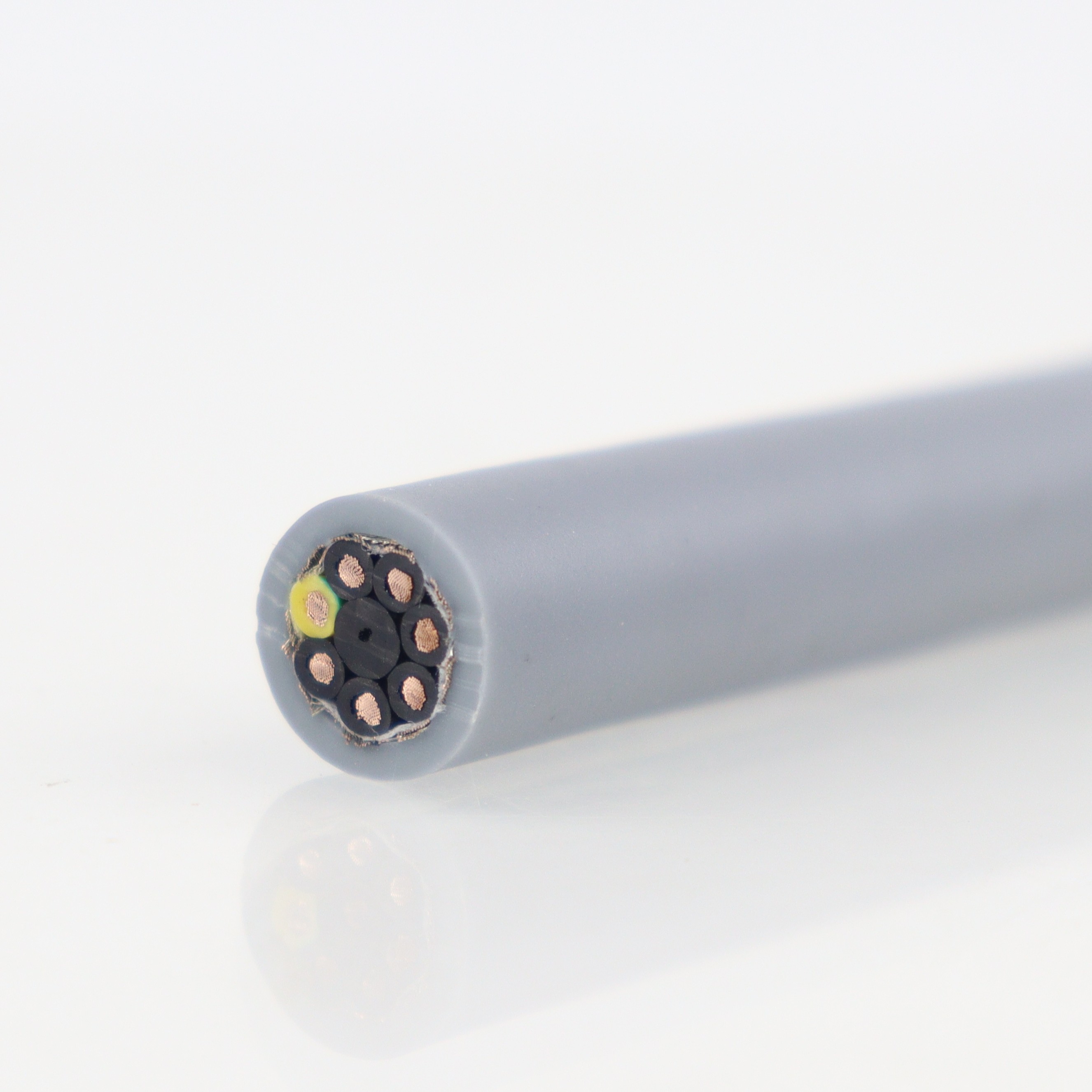
In machine vision inspection, the optical path can influence whether an image arrives with enough consistency for dependable measurement. Graded-index transmission affects how light travels through a fiber, while connector contamination control helps protect the signal at connection points. Understanding both factors helps engineers choose, install, and maintain a Fiber Optic Cable system around real inspection requirements.
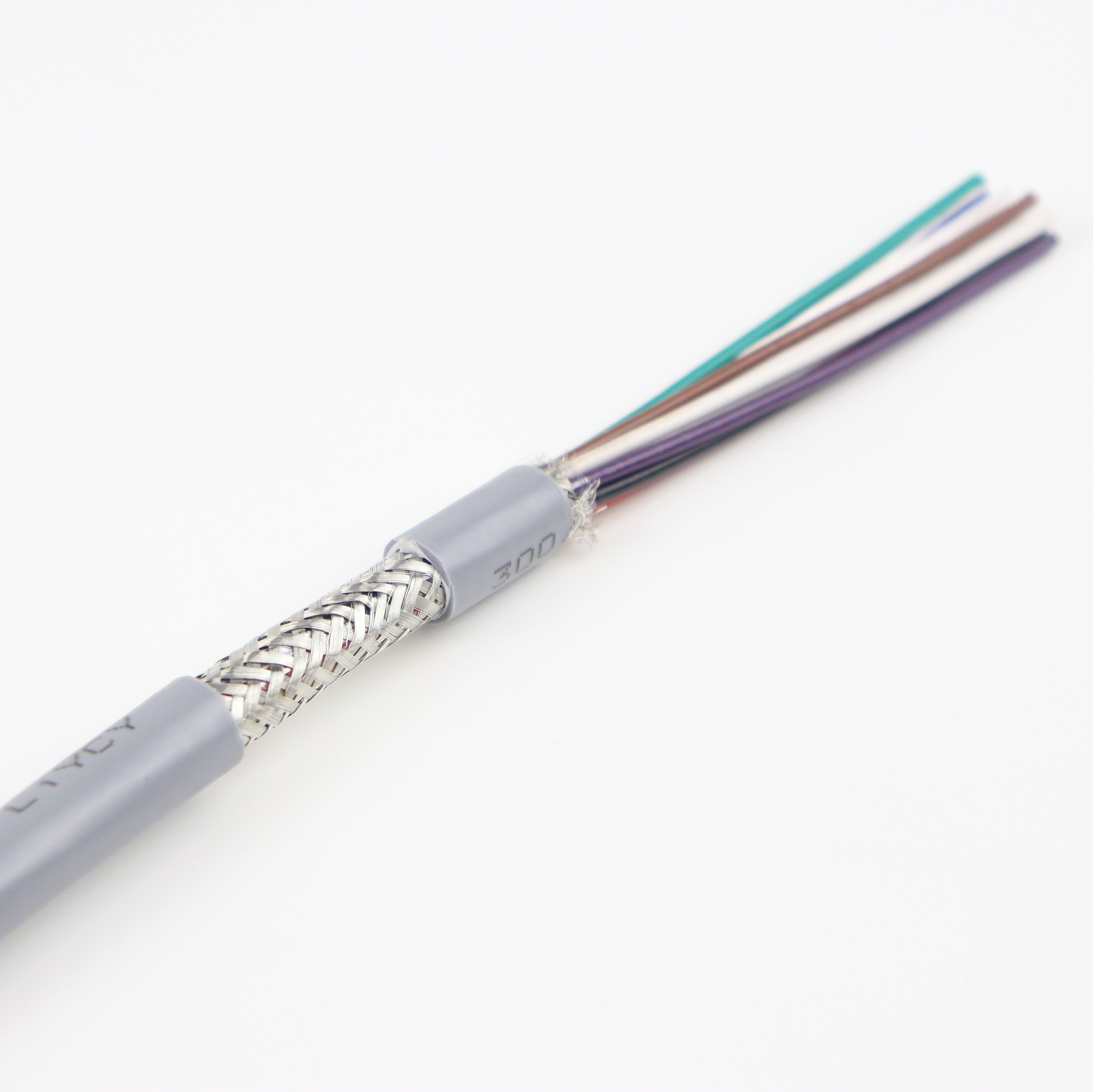
The practical effect is not simply brighter or dimmer illumination. In machine vision inspection, changes in light delivery can alter contrast, exposure stability, and the repeatability of edge or defect detection. Graded-index transmission and connector contamination control therefore belong in system design and service planning, alongside camera settings, lens selection, and the physical route of the cable.
How transmission characteristics influence image consistency
Light distribution and graded-index transmission
Graded-index transmission describes a fiber design in which the refractive index changes gradually from the core center toward its edge. This profile guides light along curved paths and can reduce the effects of different path lengths. For machine vision inspection, the design may help preserve a more usable optical signal over a chosen cable length, but actual results still depend on the source, fiber specification, bends, and receiver.
Engineers should treat graded-index transmission as one part of an optical link rather than a guarantee of image quality. When a camera or illumination head is far from its controller, verify that the selected fiber matches the required wavelength, bandwidth, and distance. In machine vision inspection, testing the complete link under operating conditions is more useful than judging the cable from a specification in isolation.
Matching the link to the inspection task
The required signal depends on what the inspection must resolve. A system locating large parts may tolerate more variation than one measuring fine features at a fast line speed. Graded-index transmission can matter when signal behavior over distance is a concern, while machine vision inspection also depends on exposure time, illumination geometry, sensor response, and repeatable positioning.
A practical qualification test records image brightness and relevant inspection results at representative operating speeds. Test the intended cable route, including bends and moving sections, because installation can affect performance. If the design uses graded-index transmission, confirm that source and receiver interfaces are compatible. A Fiber Optic Cable chosen for the real path and task is easier to integrate than one selected by length alone.
How connector cleanliness protects the optical path
Contamination effects at connection points
Dust, oil, and handling residue can obstruct light where fiber ends meet. Connector contamination control matters because a small deposit may cause signal loss or unstable transmission, potentially appearing as a camera or illumination problem. In machine vision inspection, inconsistent light can change image contrast and trigger marginal decisions, even when the camera configuration has not changed.
A controlled connection routine reduces avoidable variation. Keep protective caps in place until mating, inspect accessible end faces with suitable equipment, and use cleaning materials intended for the connector type. Connector contamination control is not a substitute for correct alignment or compatible hardware; it works with sound installation practice to keep the optical interface clean and properly seated.
Building repeatable service procedures
Maintenance teams should define when to inspect, clean, and reconnect the link, especially after cable changes or work near exposed connectors. Connector contamination control is most effective when staff avoid touching end faces and verify cleanliness before reconnecting. Record unusual signal changes with the related maintenance action so recurring contamination can be distinguished from a damaged or poorly routed cable.
If image quality drops, check the optical path systematically before adjusting camera thresholds. Inspect connectors, confirm seating, and review recent movement or service work. Then compare illumination and image data against a known-good condition. This sequence helps machine vision inspection teams identify whether connector contamination control, routing, or another component is the likely source instead of masking a physical fault with software settings.
Applying both factors to system design and operation
Plan for distance, movement, and environment
A stationary inspection station and a moving robotic cell place different demands on cable installation. In a fixed route, distance and connector access may dominate; in a moving route, bend limits, strain relief, and repeated flexing deserve attention. Graded-index transmission should be assessed for the optical requirements, while machine vision inspection planning must also account for mechanical exposure and service access.
Document the route, connector locations, and expected motion before commissioning. Keep the path away from avoidable abrasion and sharp bends, and provide a practical way to inspect connection points. Connector contamination control is easier when connectors are accessible and protected from dust, coolant mist, or frequent handling. These design choices reduce troubleshooting ambiguity without implying that any one cable design suits every cell.
Validate performance and troubleshoot methodically
Commissioning should establish a baseline using representative parts, production speed, and lighting conditions. Capture images and record signal readings where available, then repeat the checks after installation changes. Graded-index transmission may contribute to stable delivery over the specified link, but the acceptance criteria should reflect the inspection tolerance and the complete optical system.
For ongoing operation, link maintenance to observable symptoms rather than cleaning indiscriminately. When image variation appears, check source output, connector seating, cable routing, and contamination in a consistent order. Connector contamination control supports reliable connections; documented testing confirms whether the corrective action restored performance. Select a Fiber Optic Cable only after confirming that its construction and interfaces suit the intended optical function and installation environment.
FAQ
Does graded-index transmission guarantee better inspection results?
No. Graded-index transmission describes a fiber profile, not a guaranteed inspection outcome. Its relevance depends on distance, wavelength, source and receiver compatibility, and the task. Validate the complete link in machine vision inspection conditions to confirm that it meets the application’s repeatability needs.
How often should connectors be cleaned?
Use a risk-based schedule informed by exposure, service frequency, and observed signal behavior. Connector contamination control should include inspection before mating and after work that exposes end faces. Follow the connector and cleaning-equipment guidance rather than applying a universal interval.
What should be checked first when image quality changes?
Compare current images with the commissioning baseline, then inspect illumination, connector seating, cable routing, and visible contamination. Confirm the optical link before changing thresholds. This approach helps separate a transmission issue from camera settings or a change in the inspection target.

 EN